To thoroughly implement General Secretary Xi Jinping’s important discourses on fostering and practicing a correct understanding of governance performance, promote the Party’s innovative theories to reach the grassroots and take root, and give full play to the School of Marxism’s strengths in theoretical research and public outreach, faculty members from the School were invited to the Dahashi Village Committee on April 28. They delivered a grounded, heartfelt, and in-depth special Party lecture for village Party members, officials, and villager representatives.
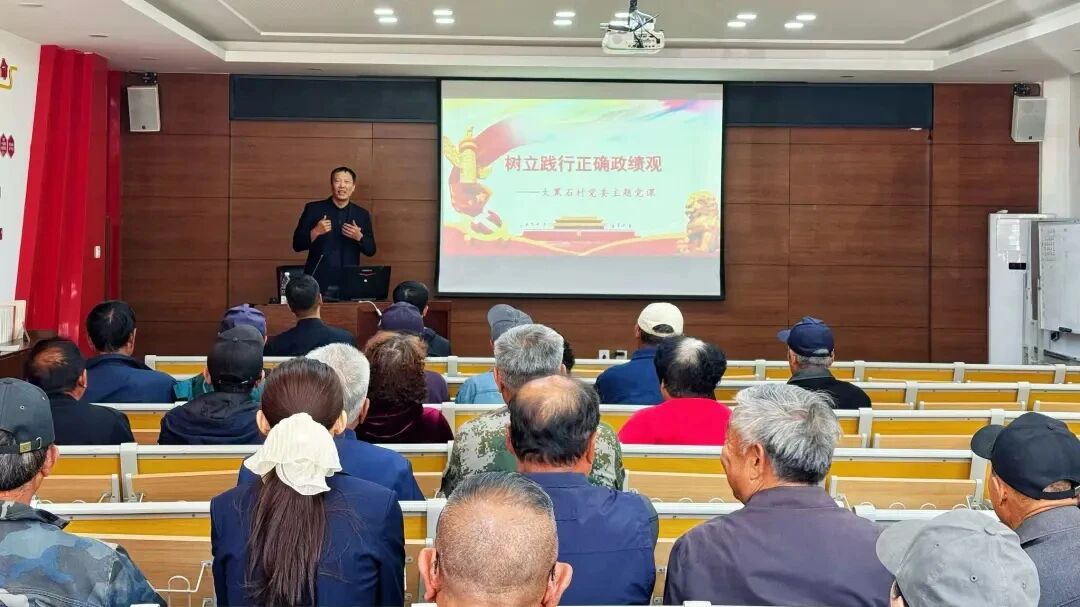
The atmosphere in the meeting room of the Dahashi Village Committee was solemn and enthusiastic, with Party members, officials, and villager representatives in attendance. Focused on the theme “Fostering and Practicing a Correct Understanding of Governance Performance”, the lecture started with General Secretary Xi Jinping’s key statements on “for whom governance performance is achieved, what kind of performance to pursue, and how to deliver it”. Closely aligned with the requirements of comprehensive Party discipline in the new era and the realities of grassroots work, it systematically elaborated on the core essence and practical requirements of a correct understanding of governance performance.
During the lecture, the faculty member interpreted “grand principles” through “local stories”, using plain language and vivid, typical cases to explain the core concept that “delivering benefits to the people is the greatest governance performance”. He emphasized that governance performance is not “window dressing” for superiors, but tangible “satisfaction and praise” from the people; it is not short-term “visible achievements” driven by instant success, but long-term “latent contributions” that lay foundations and benefit the future. To practice a correct understanding of governance performance, one must stand firmly on the people’s side, deliver tangible benefits that resonate with the people, resolutely address formalism and bureaucracy, and avoid superficial posturing, ostentatious projects, and blind expansion of initiatives.
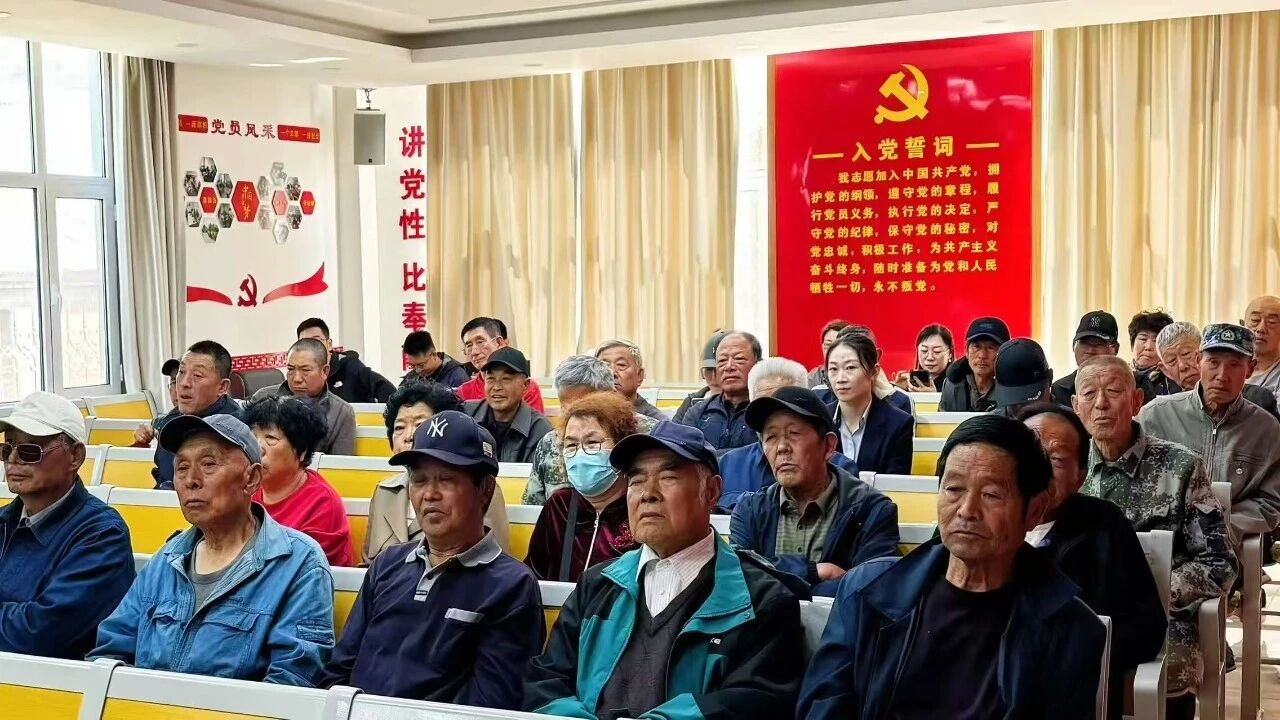
The attending Party members, officials, and villager representatives listened attentively and took detailed notes, creating a strong learning atmosphere. All agreed that the lecture offered both political stature and theoretical depth, while remaining grounded and people-centered. It provided clear guidance for grassroots officials and the public to understand, supervise, and practice a correct understanding of governance performance in the new journey.
This special Party lecture is a practical measure by the School of Marxism to deepen the integrated development of “Party building + ideological and political education”, advance university-local collaboration, and expand social services. It also represents a vivid practice of translating the School’s theoretical achievements, leveraging its intellectual resources, and empowering grassroots governance. Upholding Party building as the guide, the School not only consolidates the main classroom position and develops “venue-based ideological and political courses” and “walking ideological and political courses”, but also takes the initiative to serve local communities beyond campus, transforming the university’s think tank advantages into tangible effectiveness for rural revitalization and grassroots Party building. Moving forward, under the strong leadership of the School’s Party Committee, the School of Marxism will continue to deepen its work model of Party building guidance, university-local collaboration, theoretical empowerment, and practical nurturing. It will further expand the breadth and depth of university-local cooperation, contributing more Marxist wisdom and strength to enhancing grassroots Party building and accelerating rural revitalization.