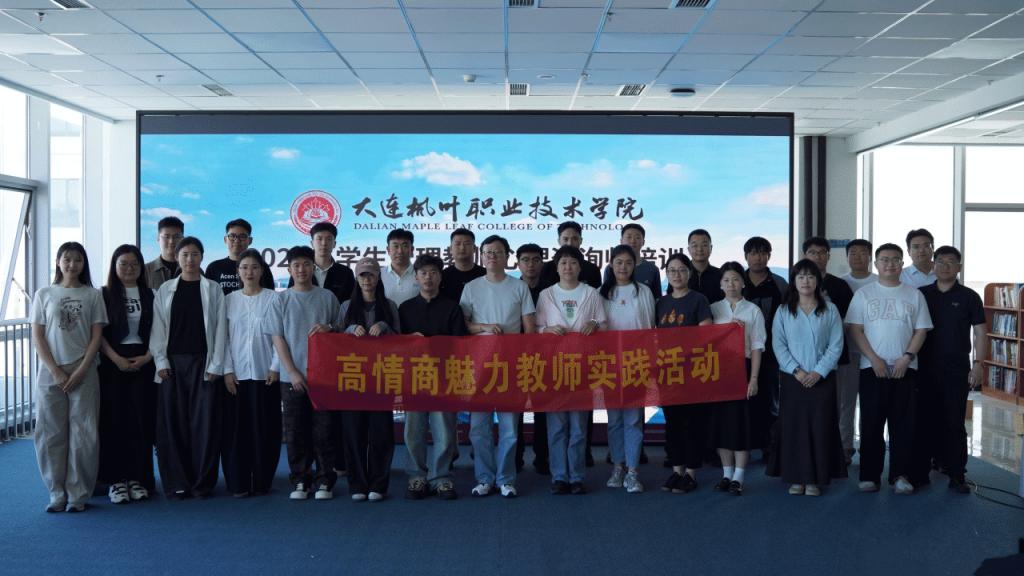
To thoroughly implement the requirements of the Ministry of Education and comprehensively enhance the psychological counseling and crisis intervention capabilities of student affairs teachers, on May 30, 2026, the College specially invited Zhang Xue, Doctor of Psychology, Master's Supervisor at Liaoning Normal University, and Training Supervisor for National Second-Level Psychological Counselors, to deliver a specialized lecture on psychological counseling skills enhancement for college teachers—grounded in solid theory and practical application—for all student affairs teachers.
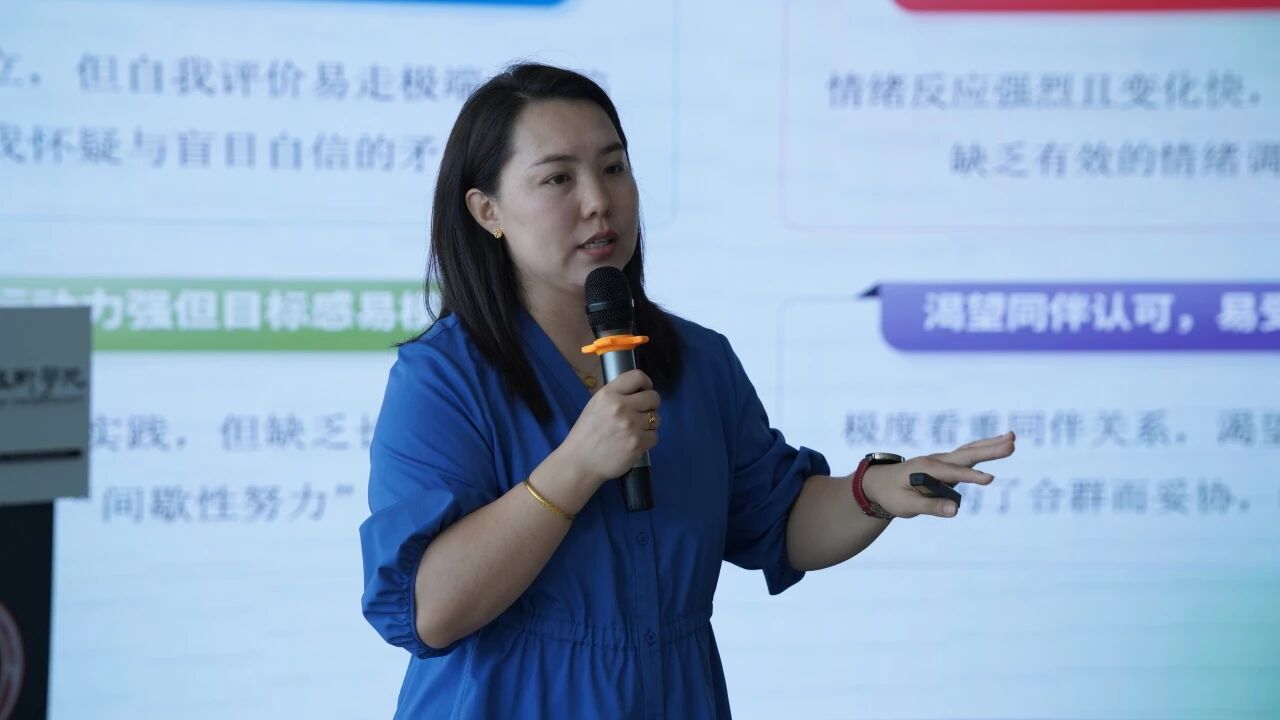
The lecture unfolded across four modules: understanding students, identifying crises, mastering methods, and self-protection. Dr. Zhang Xue, drawing on the characteristics of vocational education students, analyzed common psychological issues and crisis signals, explained practical techniques such as the five-step intervention process and communication guidance, and shared methods for teachers' emotional regulation and burnout prevention. The training clarified misconceptions in mental health education work and defined the boundaries of teachers' professional duties, combining both theory and hands-on practice.
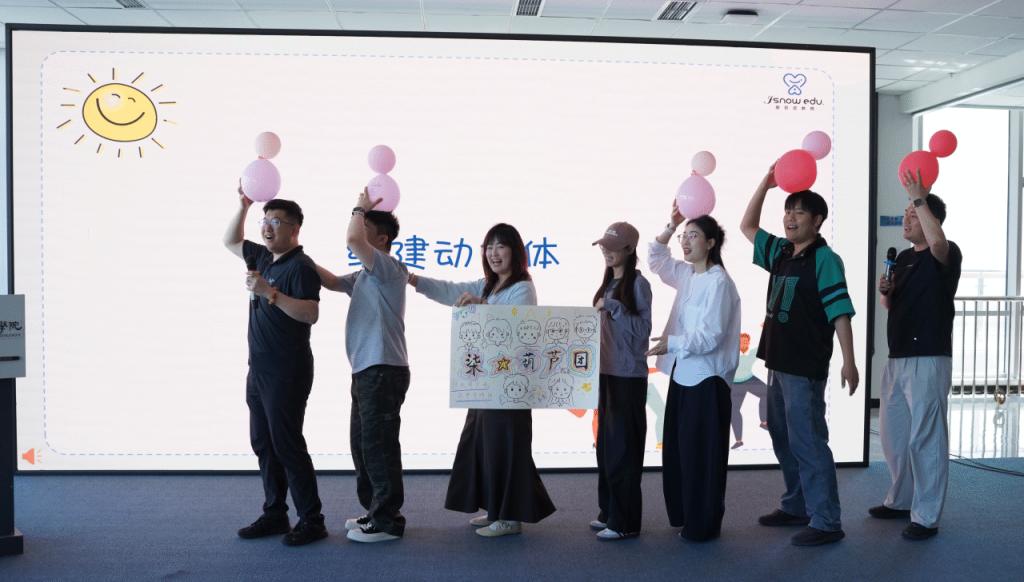
The participating teachers responded with great enthusiasm. The afternoon session focused primarily on psychological empowerment group training, during which teachers exchanged ideas and shared experiences based on their practical work, engaging in interactive activities to transform the knowledge gained into practical competencies.
This training represents an important initiative by the College to strengthen the mental health education team and advance all-staff education, whole-process education, and all-round education. Going forward, the College will continue to build platforms for mental health empowerment, conduct professional training on a regular basis, and guide all teachers to serve as guardians of students' hearts on their growth journey—with greater professional competence and warmer companionship—safeguarding students' physical and mental well-being and campus security and stability.