On June 9, Wang Zhongcheng, President of Liaoning Vocational University of Technology, Yuan Xiaoguang, Vice President, Yan Shijie, Dean of the Academic Affairs Office, Wu Jingtai, Director of the Industry-Education Integration Development Office, and Gu Zheng, Deputy Dean of the Intelligent Manufacturing College, visited our college to conduct exchange activities. Both sides conducted in-depth discussions on educational management, talent cultivation, industry-education integration, internships and employment, and jointly explored new pathways for vocational education cooperation and development. Yang Ping, Chairperson of our college, Yang Jie, President, Gao Chenglin, Executive Vice President, Jia Zhihai, Director of the Party and Administrative Office, and other relevant responsible persons warmly received the visiting delegation.
Hand in Hand · Campus Tour
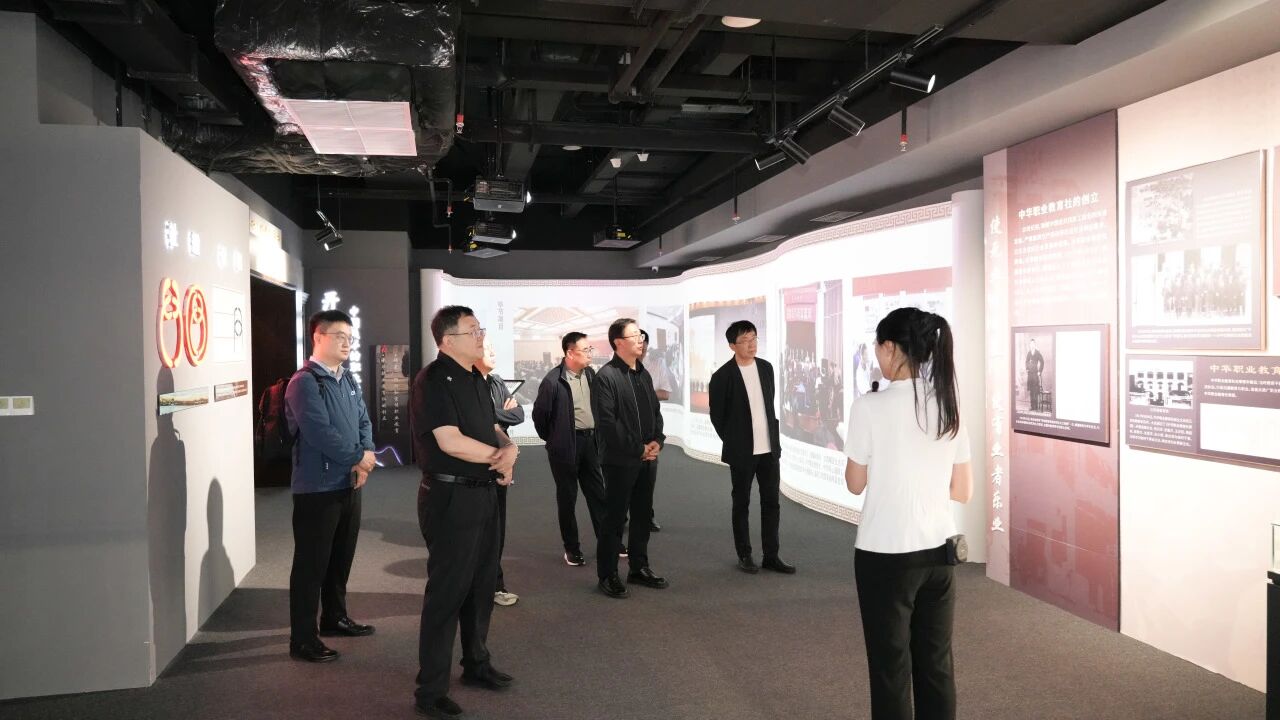
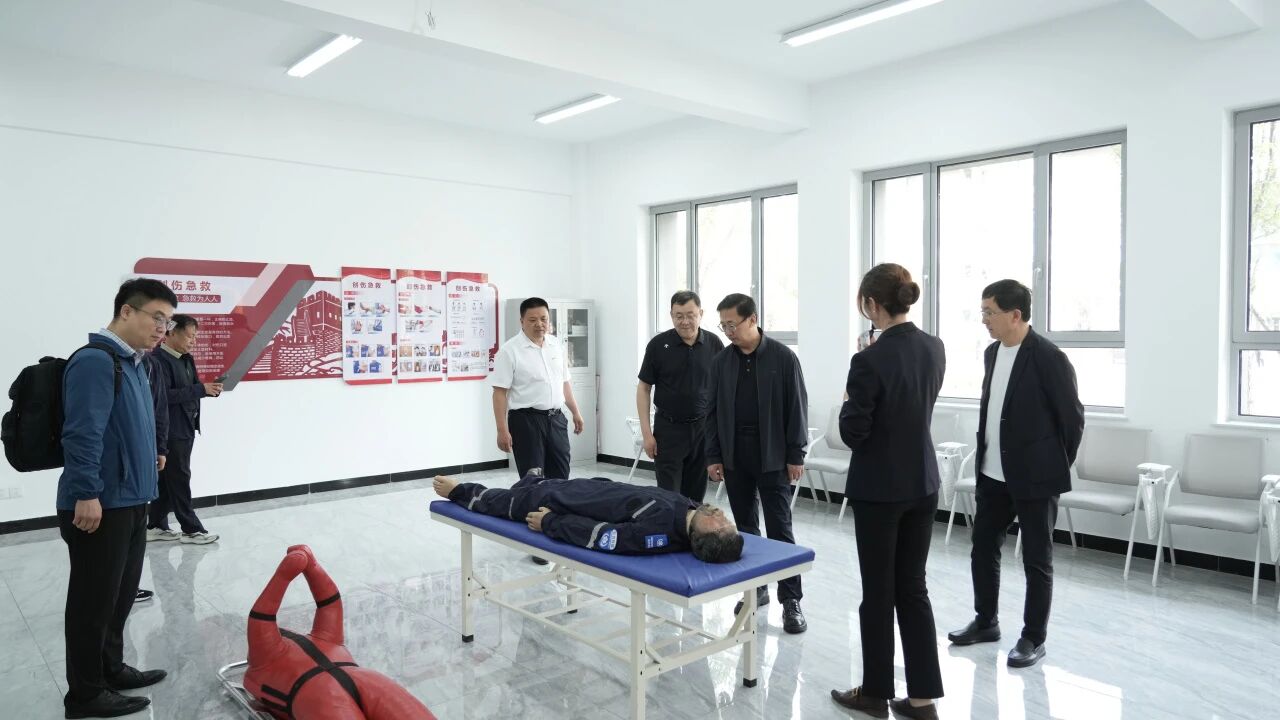
During the visit, accompanied by our college leaders, the leadership delegation from Liaoning Vocational University of Technology conducted on-site inspections of our college's Qidingshan Campus environment, practical training classrooms, AI Equipment Exhibition Hall, History Museum of the Chinese Vocational Education Association, and other facilities. They gained an in-depth understanding of our college's characteristic measures in campus construction, practical teaching, and education environment development, and gave high praise to our college's clean and elegant campus style, comprehensive practical training hardware facilities, and educational achievements in deeply cultivating vocational education.
Discussion and Exchange · Building Consensus
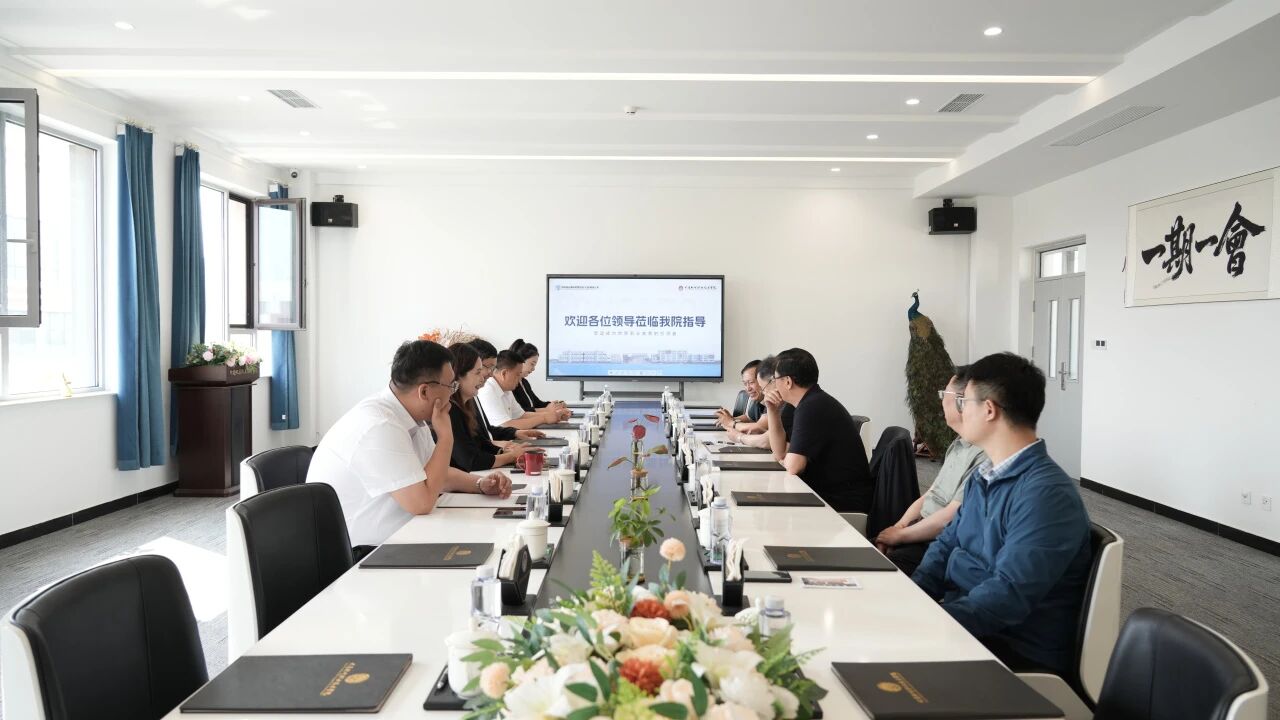
After the tour, both sides conducted discussion and exchange sessions. At the meeting, they introduced each other's educational profiles and professional layouts, and conducted in-depth discussions on the advancement of industry-education integration. The visiting side highly affirmed our college's innovative achievements in school-enterprise collaboration, industry resource introduction, real-scenario practical training, and integrated industry-education operations, believing that our college's industry-education integration has evolved from "project cooperation" to "ecosystem co-construction," possessing good demonstrative and leading value.
During the discussion, both sides exchanged and shared mature experiences in daily management, professional construction, school-enterprise cooperation, and employment services. They conducted in-depth exchanges of views on inter-college resource sharing, joint talent cultivation, collaborative project development, and internship and employment expansion, and initially reached multiple cooperation consensuses. Moving forward, the focus will be on advancing the implementation of joint industry-education integration practice bases, collaborative curriculum research, mutual faculty appointments, and direct internship and employment channels.
This exchange visit has built a good communication platform for the two colleges. It is both a learning journey of mutual experience sharing and a beginning of cooperation hand in hand. In the future, our college will continuously strengthen linkage and exchanges with sister institutions, relying on multi-party advantageous resources, deepening practical cooperation in multiple fields, jointly enhancing educational quality and talent cultivation standards, jointly cultivating high-quality technical and skilled talents, and jointly contributing to the high-quality development of vocational education.