On June 15, Yu Shijie, Vice President of UBTECH Education; Yuan Zhaoqiao, Northeast Regional Director of UBTECH Education; and Huang Xianghui, Deputy Dean of the Embodied Intelligence Research Institute of UBTECH Education Technology, visited our college for investigation and exchange. Yang Ping, Chairperson of the college; Yang Jie, President; Eilis, Vice President; and Xue Fei, Director of the Brand Development Department, accompanied the delegation throughout the reception. Both sides conducted in-depth discussions on embodied intelligence talent cultivation, joint construction of practical training bases, building of industry colleges, and artificial intelligence international cooperation, exchanging development ideas and exploring cooperation directions.
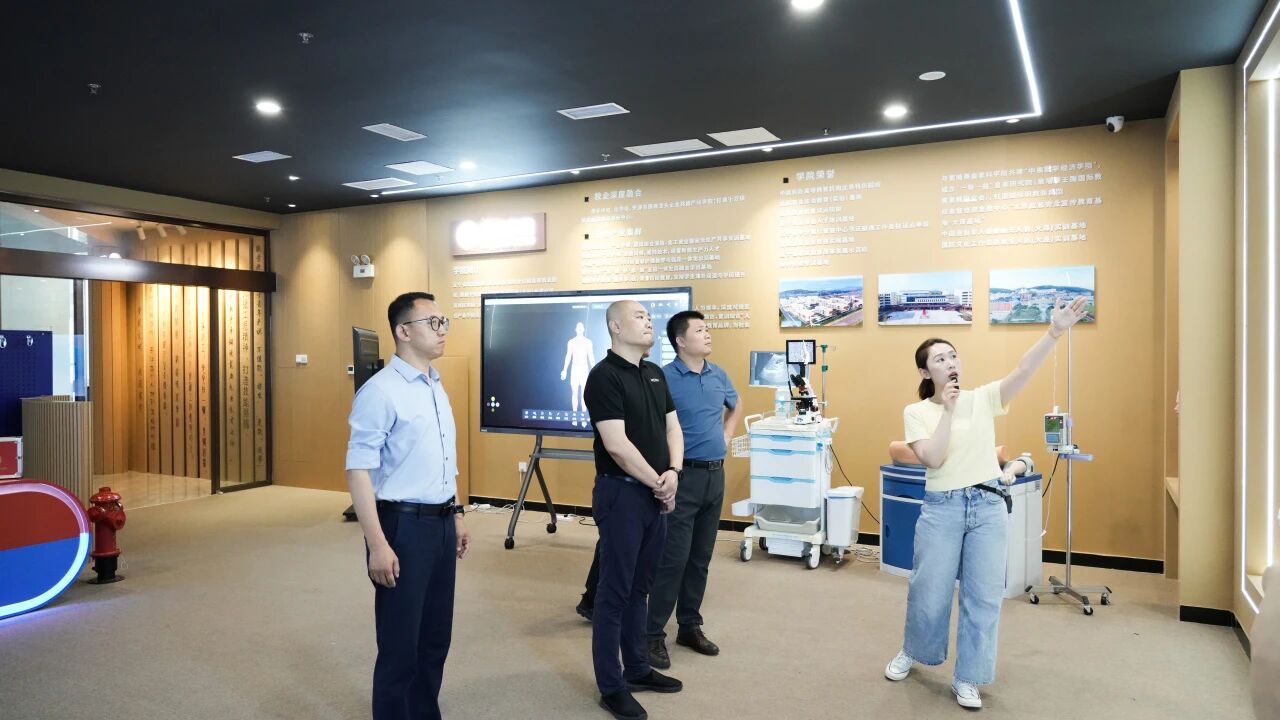
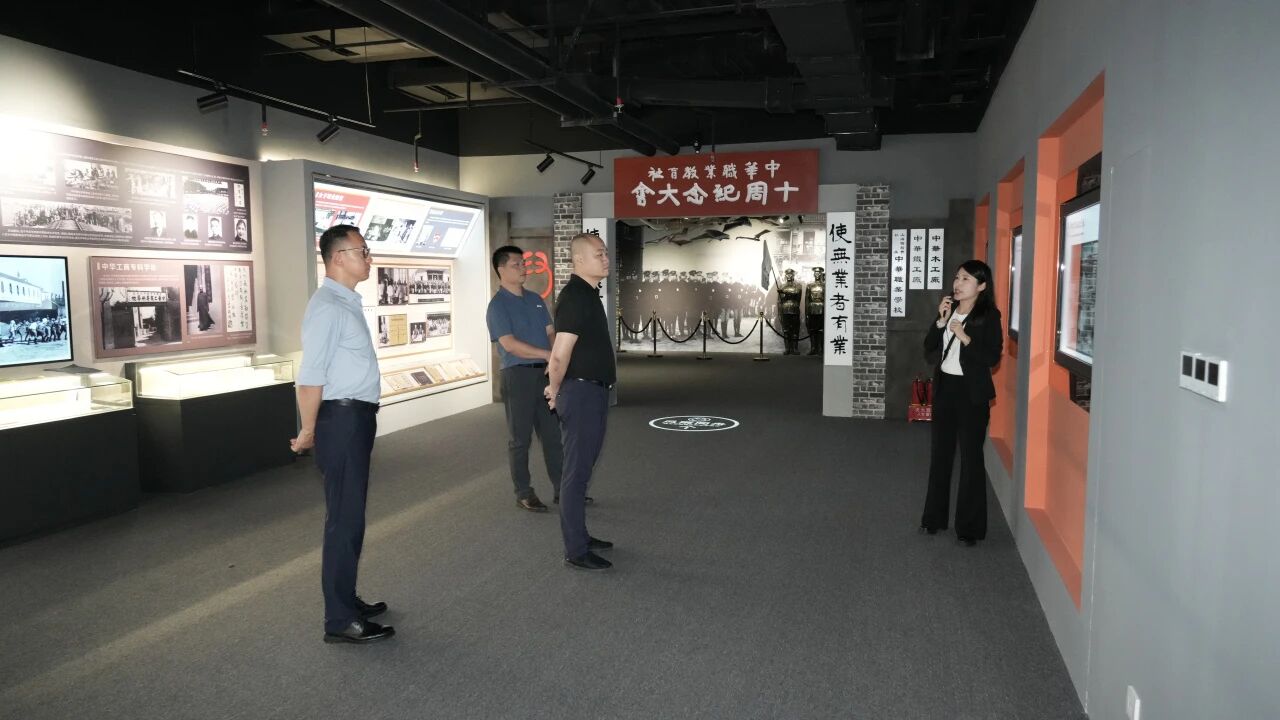
During the inspection period, Yu Shijie and his delegation successively visited various locations on campus, comprehensively understanding the college's educational advantages, industry-education integration characteristics, modern vocational education development philosophy, and meticulously researching educational achievements, talent cultivation models, campus culture construction, and medium- and long-term development plans. During this period, they specially visited the History Museum of the Chinese Vocational Education Association, immersively experiencing the profound historical heritage of a century of vocational education. The college, nestled between mountains and the sea with an elegant environment, excellent educational conditions, solid educational accumulation, and distinctive educational characteristics, left a deep impression on the visitors.
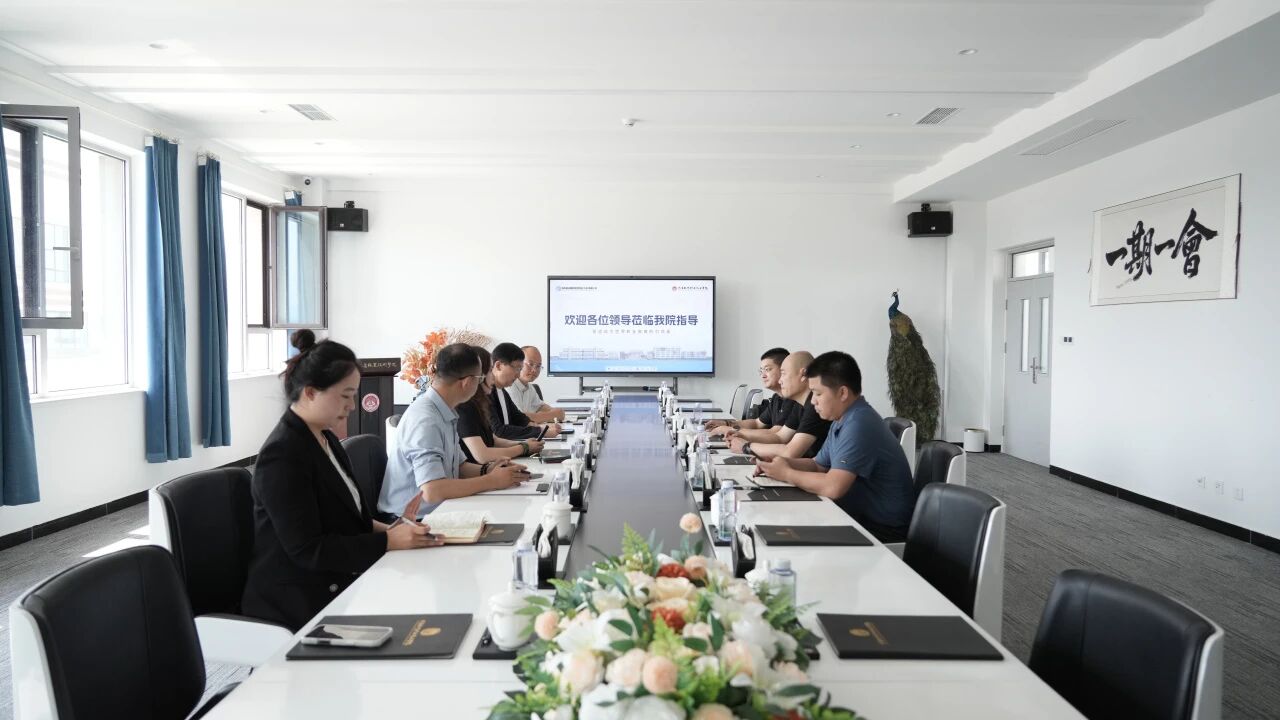
At the symposium, Yu Shijie, Vice President of UBTECH Education, first clarified the purpose of this visit and exchange, highly praising the college's solid educational foundation and leading industry-education integration practices. Subsequently, responsible persons from both sides introduced the development profiles, core resources, and business layouts of the enterprise and the college respectively. The college's mature achievements in international education 4.0 development, as well as the Nursing Industry College's 1:1 replicated real-scenario practical training facilities modeled after Grade-A tertiary hospitals, left a deep impression on Vice President Yu Shijie.
During the exchange, combining their respective core advantages, both sides conducted enthusiastic discussions on the application prospects of embodied intelligence in multiple fields including industrial manufacturing, scientific research and education, commercial services, and family companionship, exchanging numerous cutting-edge viewpoints. Vice President Yu Shijie gave high recognition to the college's software and hardware capabilities and expressed strong intentions for cooperation. Chairperson Yang Ping responded that the college will fully leverage its advantages in facilities, practical training scenarios, and talent resources, and is committed to building a full-chain service system integrating data collection, robot training, equipment delivery, and operation and maintenance, laying a solid foundation for subsequent cooperation.
After full communication, both sides initially identified three major cooperation directions:
First, concentrate efforts on promoting the international expansion of embodied intelligence. Relying on the college's mature international education experience and UBTECH's technological and curriculum advantages, jointly build an overseas curriculum system of "three imports and three exports," promoting Chinese embodied intelligence education courses, practical training standards, and intelligent teaching aids to the international market, and deepening Chinese-foreign education and industry linkage.
Second, deepen tripartite collaboration among government, enterprise, and school. Relying on the combined strength of local government resources, jointly build a nationally leading nursing-specific robot training base and a Dalian benchmark-level industrial robot training base, relying on diverse business forms such as technology study tours, skills competitions, and vocational practical training to ensure the long-term operation of the bases.
Third, jointly build an embodied intelligence industry college. Integrating both sides' technology, faculty, scenarios, and industry resources, create a benchmark sample of industry-education integration, and empower the transformation and upgrading of regional manufacturing industries through the industry college as a vehicle, continuously delivering high-quality embodied intelligence skilled talents for the local area.
This visit and exchange built a good bridge for communication and collaboration between both sides, laying a solid foundation for subsequent diversified cooperation. In the future, the college and UBTECH will take this exchange as an opportunity to continuously deepen docking and negotiations, refine cooperation content, improve cooperation plans, and steadily promote the implementation of various intended contents. Both sides will jointly explore new models for the integrated development of vocational education and intelligent technology, jointly build quality samples of industry-education integration, and assist in the collaborative advancement of regional vocational education and intelligent industries.