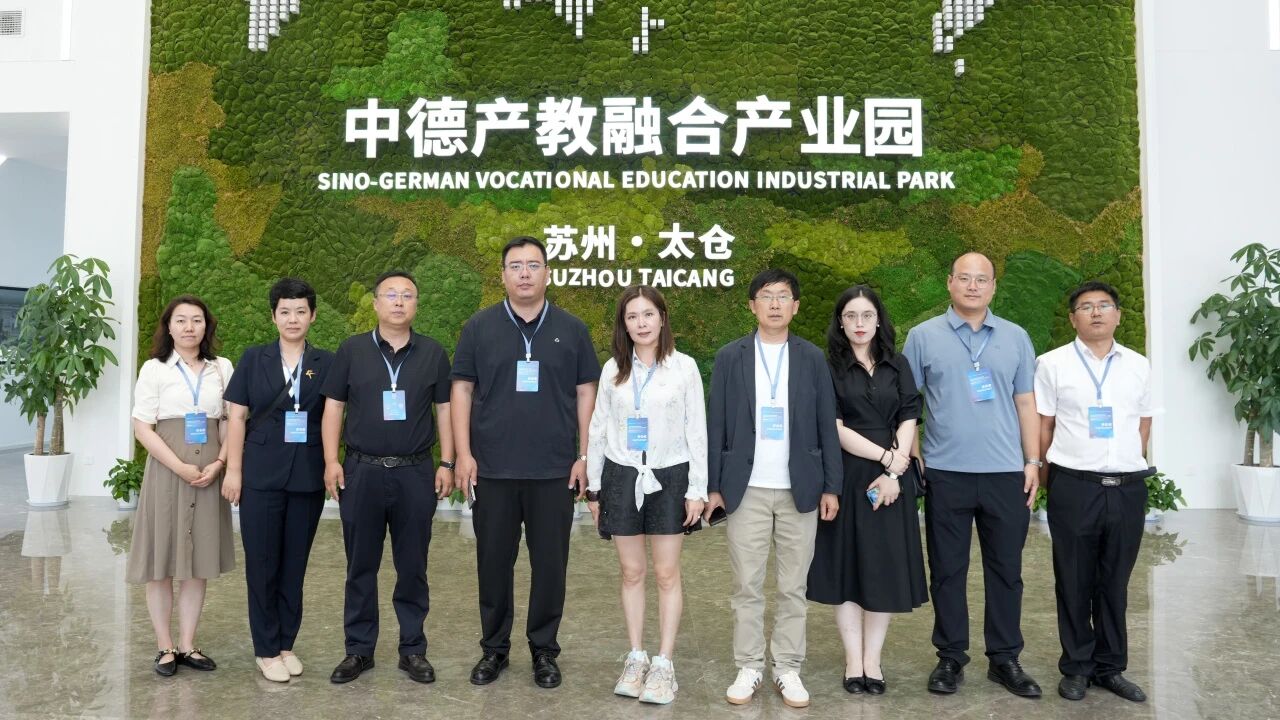
On June 26, Yang Ping, Chairperson of the college, and Yang Jie, President, along with some college leaders, went to Suzhou to conduct in-depth investigation around the core proposition of "industry-education integration." They successively visited the XJTLU Entrepreneur College (Taicang) Campus and the Taicang China-Germany Dual-System Vocational Education Industrial Park, using "tangible" immersive experiences to promote the college's understanding of integrated education from the conceptual level to the practical level.
Entering XJTLU Entrepreneur College (Taicang): A University That "Grows" on the Industry Chain
The visiting delegation's first stop was the XJTLU Entrepreneur College (Taicang) Campus. This college was jointly founded by Xi'an Jiaotong-Liverpool University and the Taicang Municipal Government in 2018, exploring future industry elite talent cultivation models through "integrated education." Entering the campus, the most impressive feature was the ring-shaped building with a circumference of approximately 850 meters — this award-winning design, which won the Bronze Award of the World Architecture News Awards, connects seven industry colleges including intelligent manufacturing ecosystem, artificial intelligence and advanced computing, and industry-finance integration in a U-shaped centripetal architectural form. Industrial spaces, learning spaces, and public spaces are interwoven and seamlessly connected, with the boundaries between university and society deliberately "dissolved" here.
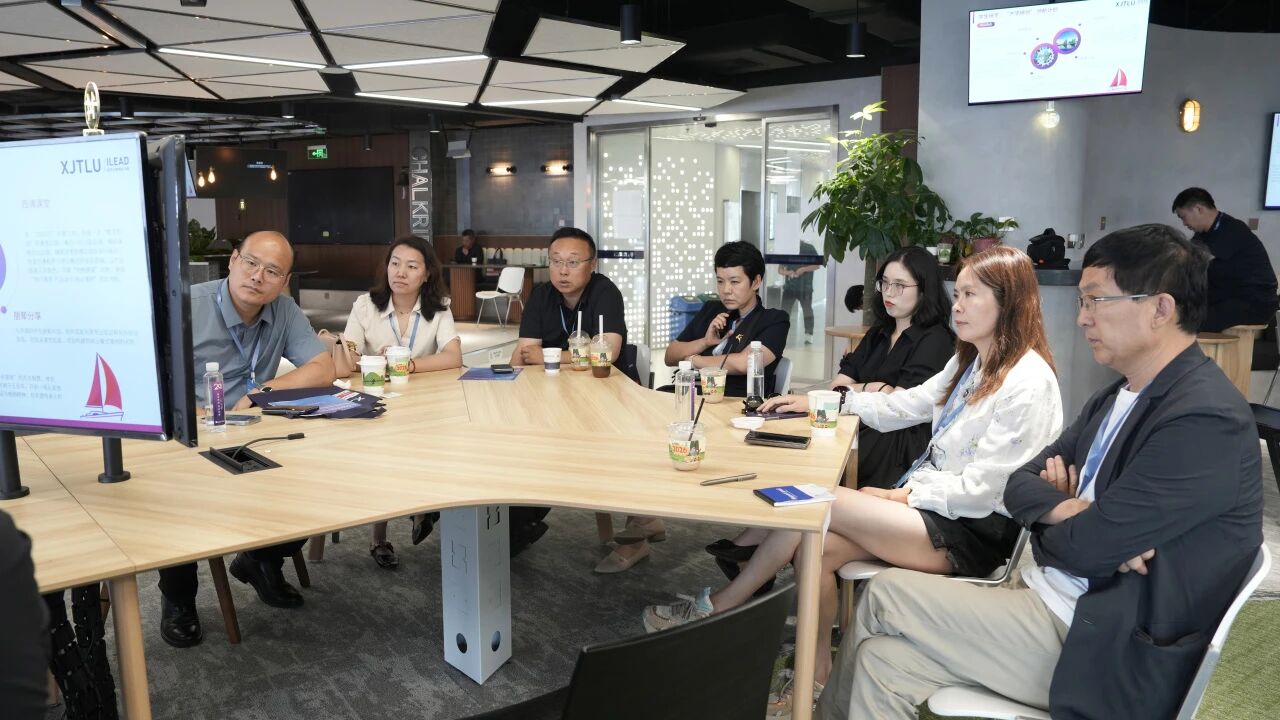
The "integrated education" of XJTLU Entrepreneur College (Taicang) takes real industry problems as the starting point, conducting deep cooperation with nearly 100 enterprises including Haier Group, Sugon, and Ecovacs, jointly building courses, laboratories, and practical training bases, allowing enterprises to participate in the entire process of talent cultivation. Multiple college leaders expressed that this educational practice, which takes industry colleges as the vehicle and school-enterprise joint construction as the pathway, provides a "Taicang sample" of great reference value for the college's advancement of industry-education integration.
Deeply Entering the Taicang China-Germany Dual-System Vocational Education Industrial Park: Decoding the Chinese Practice of the "Dual System"
The visiting delegation subsequently conducted on-site visits to the Taicang China-Germany Dual-System Vocational Education Industrial Park. This industrial park was jointly built by the Taicang Municipal People's Government and the China Association of Small and Medium Enterprises in May 2024, with a planned building area of 320,000 square meters. It is a major project of Jiangsu Province in 2024 and also the nation's first China-Germany dual-system vocational education industrial park. Taicang has long been known as the "Hometown of German Enterprises in China," gathering over 500 German-funded enterprises. The park precisely relies on this unique industrial ecosystem to systematically introduce the German "dual system" vocational education concept into Chinese practice.
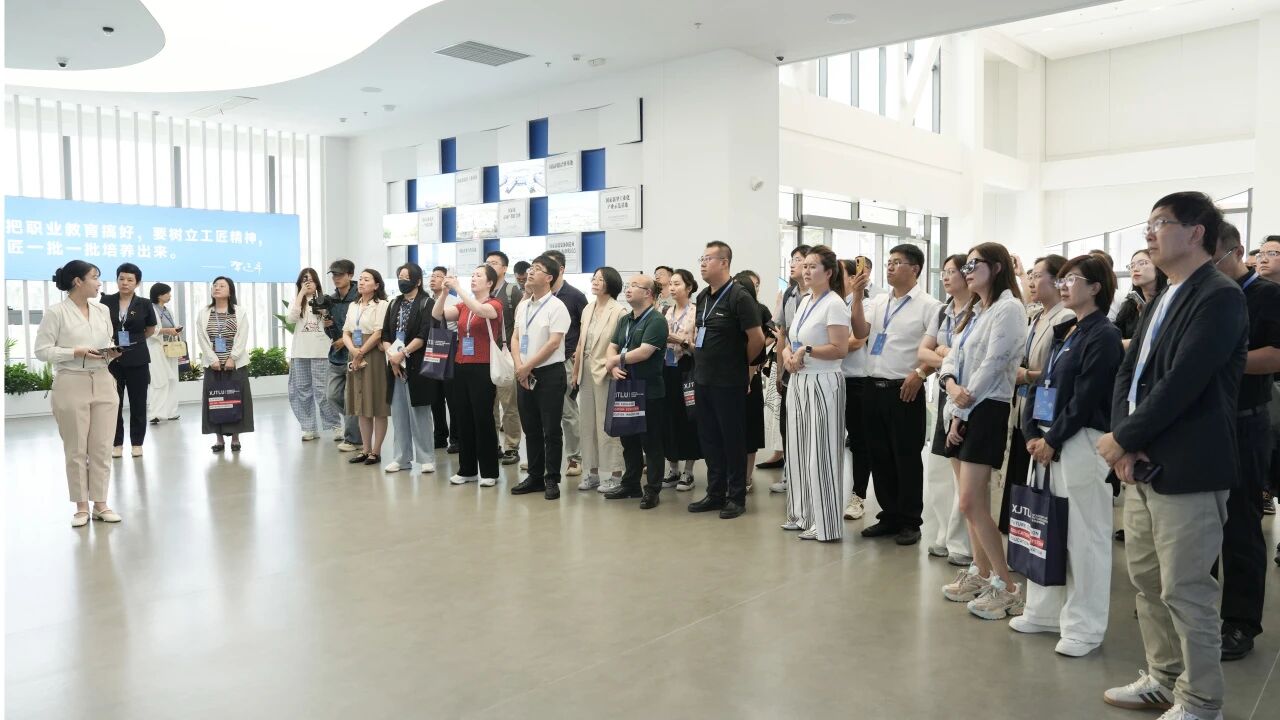
The visiting delegation gained in-depth understanding of the park's industry-education integration development model of "government coordination, park leadership, school-enterprise collaboration, and market operation." The park arranges training directions around industrial characteristics such as intelligent manufacturing and new energy vehicle core components, "tailor-making" cultivation plans for enterprises, and building a precise talent cultivation system of "school-enterprise collaboration and work-study integration." A complete cultivation chain has been formed from frontline skilled talents to enterprise management reserve cadres. Members of the visiting delegation expressed that the park not only introduced the "form" of the German "dual system" but also, through the mechanism design of four-party collaboration among government, park, enterprises, and schools, endowed it with the "soul" on Chinese soil. This closed-loop ecosystem that precisely transmits industrial demands to the education supply side and directly transforms educational achievements into industrial talent reserves is precisely the best example of industry-education integration moving from concept to implementation.
Using "Stones from Other Hills" to Polish the "Jade" of the College's Industry-Education Integration
This trip to Taicang, Suzhou, was both a learning journey to broaden horizons and a thought tempering process benchmarking against advanced practices. The exploration of XJTLU Entrepreneur College (Taicang) in reshaping the boundaries between university and industry through "integrated education," and the practice of the Taicang China-Germany Dual-System Vocational Education Industrial Park in connecting talent cultivation with industrial demands through the "dual system," provided the college with two equally profound inspirations from different dimensions for deepening industry-education integration.
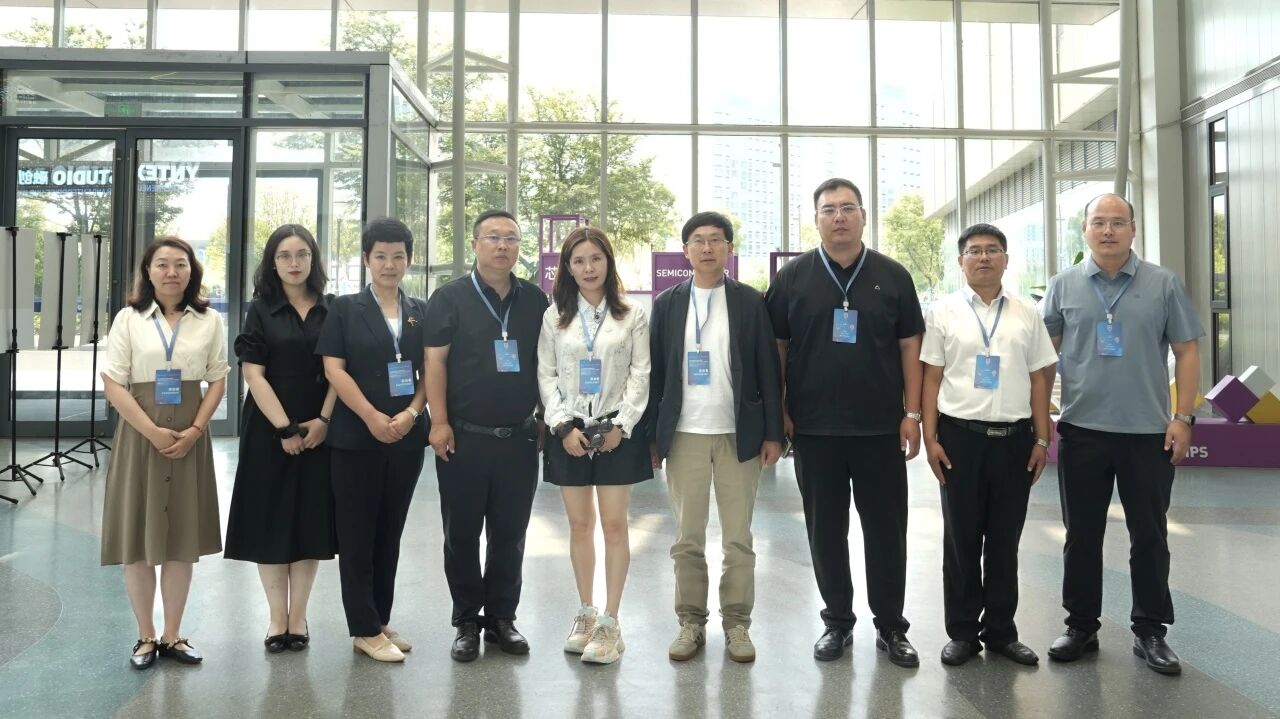
Currently, the college is in a critical period of high-quality development, and industry-education integration is the core strategy for the college to achieve a leap in educational standards. Moving forward, the college will take this investigation as an opportunity to fully draw on the integrated education architecture of XJTLU's "industry colleges + ring-shaped integrated layout" and the industry-education integration mechanism of Taicang's "government coordination + school-enterprise collaboration + dual-system talent cultivation." It will continuously exert efforts in areas such as precise docking between professional clusters and industrial demands, systematic advancement of school-enterprise joint course and practical training base construction, and localized exploration of the dual-system talent cultivation model, forging an innovative path of industry-education integration with college characteristics. It will empower regional industrial upgrading through high-quality talent supply and respond to the era's earnest expectations for vocational education through deep school-enterprise collaboration.