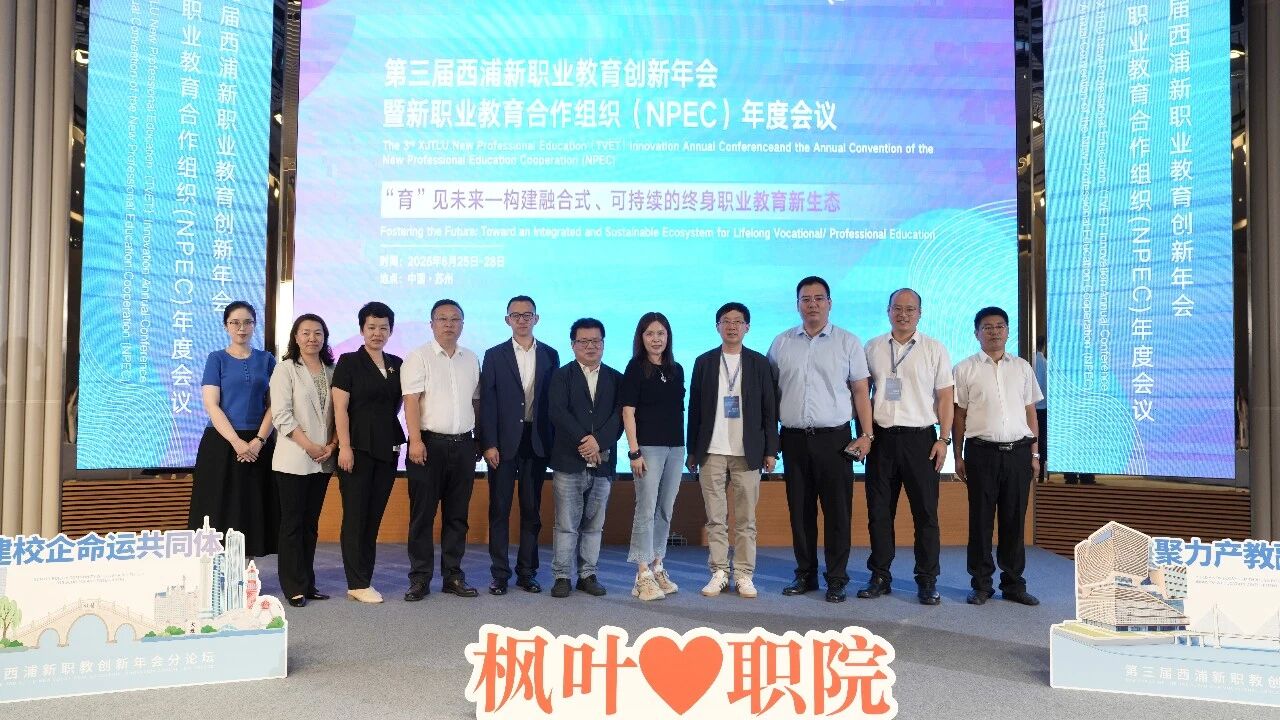
On June 27, 2026, the 3rd XJTLU New Vocational Education Innovation Annual Conference and the Annual Meeting of the New Vocational Education Cooperation Organization (NPEC) successfully concluded at Xi'an Jiaotong-Liverpool University. This annual conference, themed "Educating for the Future — Building an Integrated and Sustainable New Ecosystem for Lifelong Vocational Education," gathered over 200 dedicated practitioners and explorers from institutions, enterprises, industry organizations, and research institutes across the country for offline participation. The sub-forum "Gathering Strength for a New Ecosystem of Industry-Education Integration · Jointly Building a School-Enterprise Community with a Shared Future," hosted by Dalian Maple Leaf College of Technology, was successfully held concurrently, attracting nearly 10,000 viewers who follow vocational education development to watch online, triggering widespread resonance.
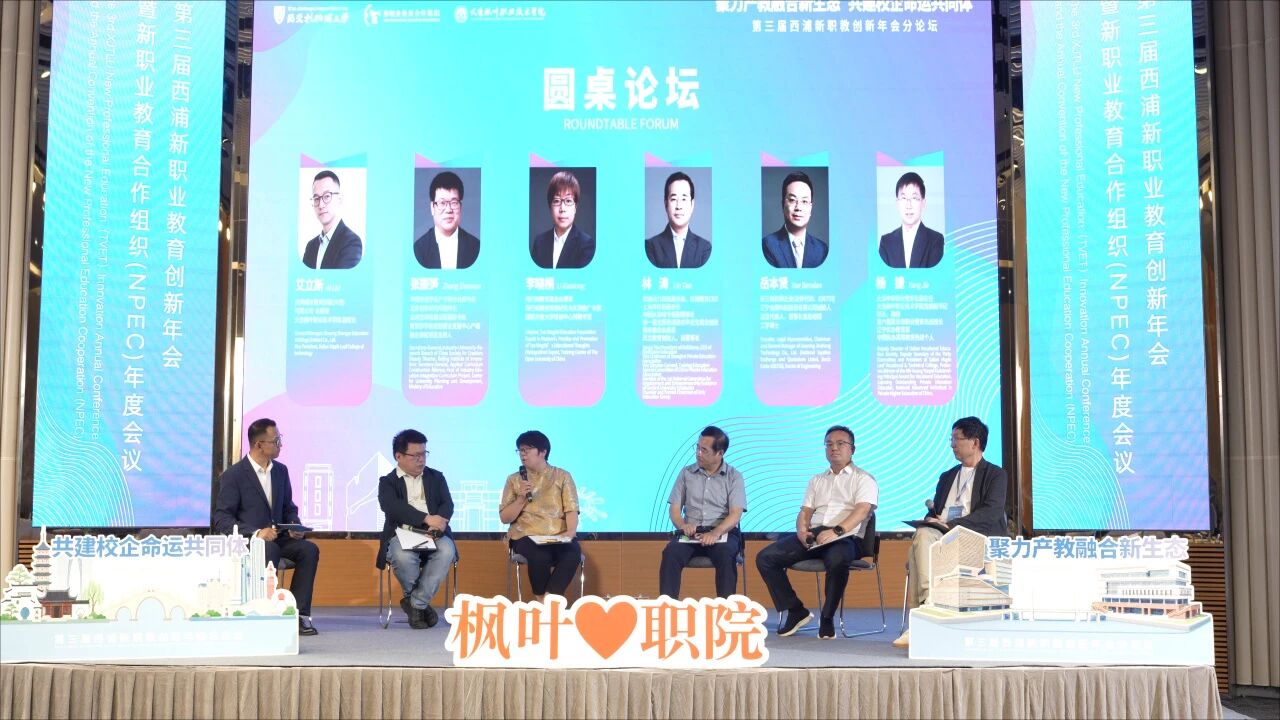
At the sub-forum, guests focused on the core values, practical dilemmas, and future pathways of industry-education integration. Through keynote speeches and roundtable dialogues, they deeply explored innovative practices for vocational education to move from form to substance, demonstrating Maple Leaf Vocational College's exploration and commitment on the path of industry-education integration.
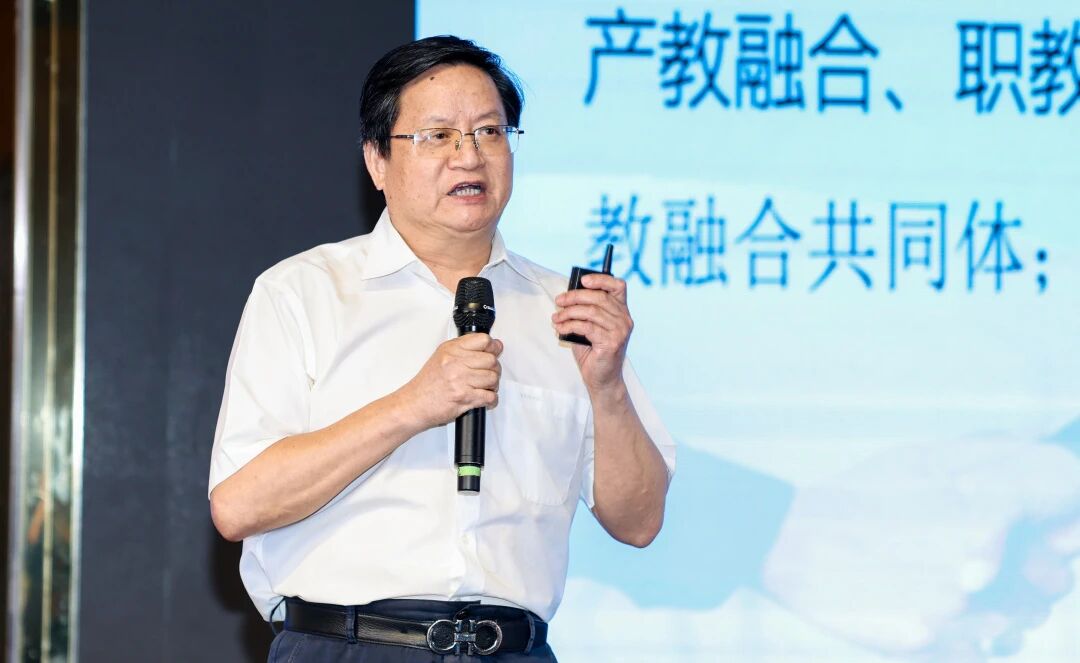
Keynote Speech: Industry Colleges — Innovation in the Chinese Paradigm of Industry-Education Integration Model
Su Zhigang, Executive Vice Chairman of the Chinese Modern Industry College Collaborative Innovation Platform, pointed out in his keynote speech that although China has built the world's largest vocational education system, progressing through development stages from demonstration schools, backbone schools, and high-quality schools to "Double High" schools, and although the forms of school-enterprise cooperation have evolved from order-based training to industry colleges, the actual effectiveness has been limited, with some practices remaining superficial. He emphasized that core problems currently exist, including degree devaluation and employment difficulties, severe talent mismatch, outdated educational models, and cultural prejudices undermining confidence. The core task of vocational education should be "to stimulate students' self-confidence." As early as 1999, he founded the first industry college at Ningbo Polytechnic, pioneering the concept of "cooperative education, cooperative talent cultivation, cooperative employment, and cooperative development," and played an important promoting role in the process when the State Council document in 2017 first explicitly proposed that universities and vocational colleges establish industry colleges, and when the Ministry of Education officially issued documents in 2020 to build modern industry colleges. Industry colleges, as deepening vehicles moving from school-enterprise cooperation to industry-education integration, are talent cultivation entities that "can truly step firmly on solid ground." Looking to the future, he proposed strategic concepts such as building an international industry-education integration paradigm relying on the "Belt and Road Industry-University-Research Alliance," promoting the internationalization of vocational education standards and resources, and constructing an industry college alliance, to assist China's vocational education in transforming from "largest in scale" to "quality leadership." He specifically mentioned that Dalian Maple Leaf College of Technology has established corresponding industry colleges in each professional building, forming a complete industry-education system, serving as a benchmark case of "genuine integration and substantive cooperation."
Roundtable Forum: Dilemmas, Values, and Future Pathways
In the roundtable forum segment, six guests from the education sector, business sector, and social organizations — Zhang Zhensun, Executive Deputy Director and Secretary-General of the Industry-University-Research Cooperation Promotion Branch of the Chinese Creation Society; Li Xiaotong, Director of the Tao Xingzhi Education Foundation; Lin Tao, Senior Vice President of iSoftStone and CEO of iSoftStone Education; Yue Benxian, Founder of Liaoning Jinsheng Technology Co., Ltd.; Professor Yang Jie, Deputy Secretary of the Party Committee and President of Dalian Maple Leaf College of Technology; and Ailisi, Vice President of Dalian Maple Leaf College of Technology — conducted in-depth dialogues on topics such as understanding the core values of industry-education integration, practical dilemmas in the implementation process, and future development pathways.
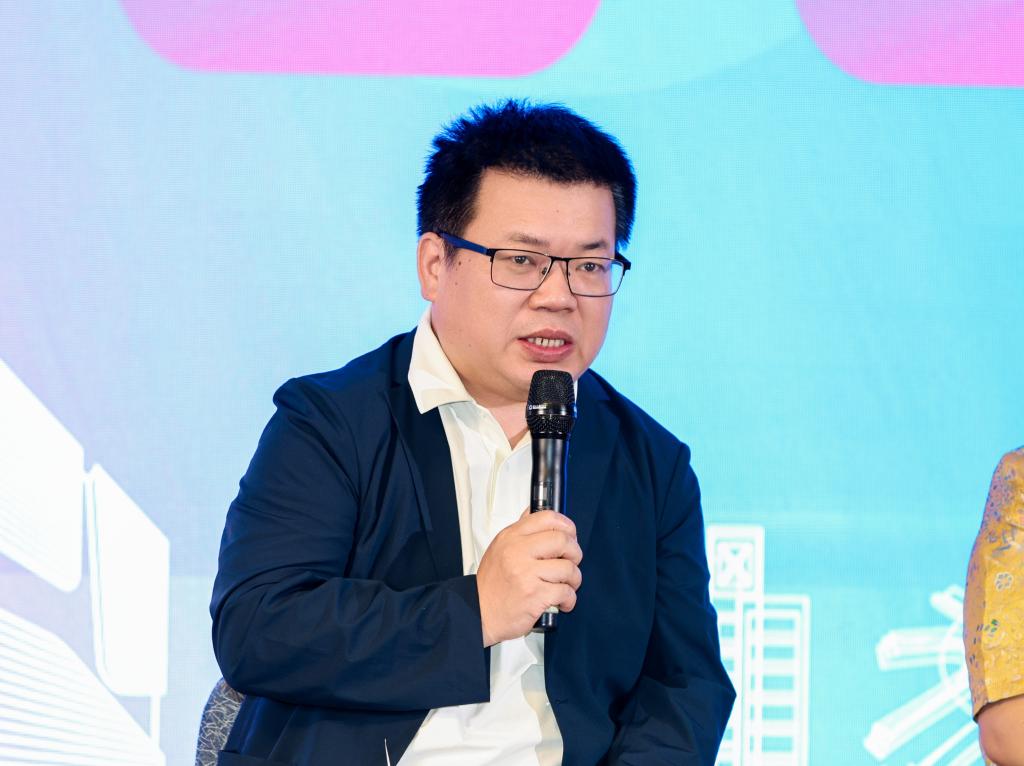
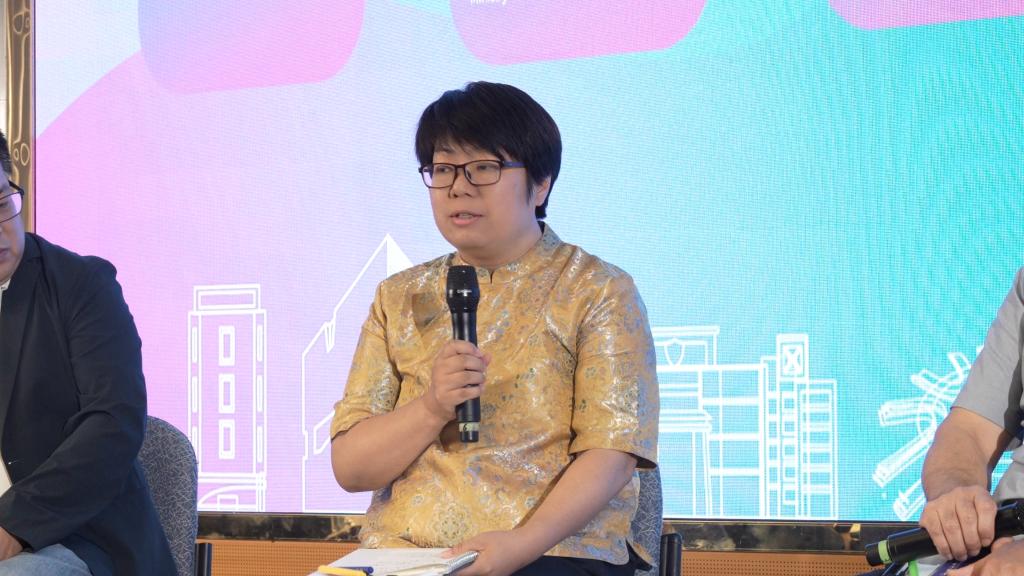
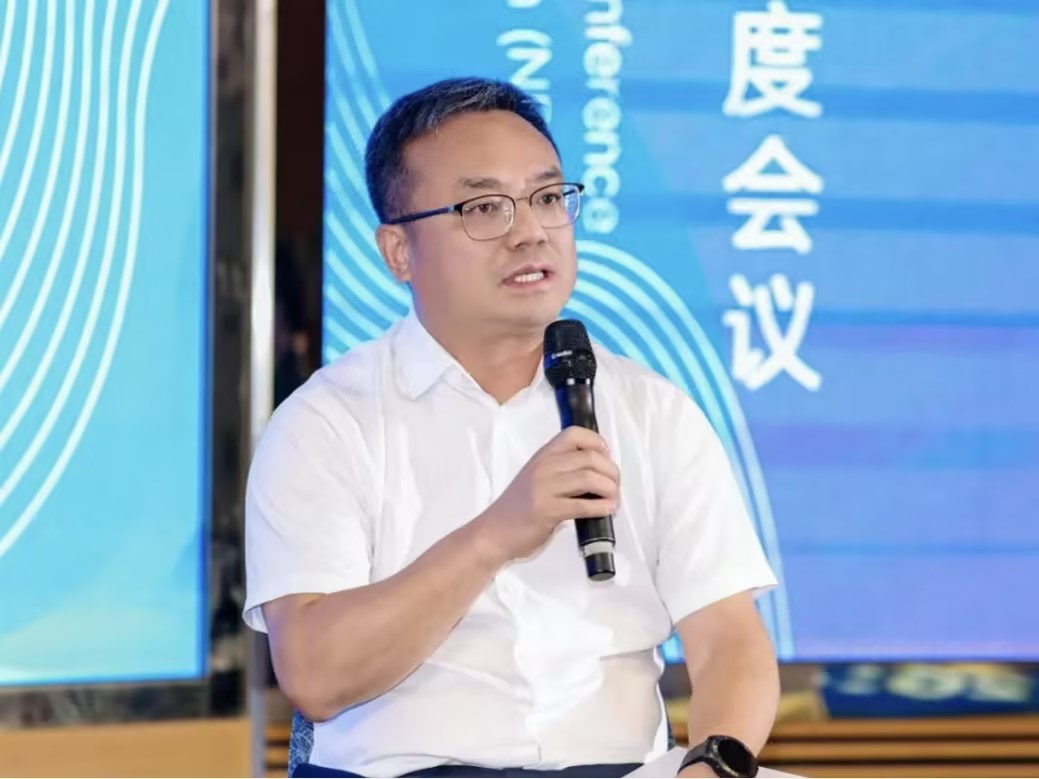
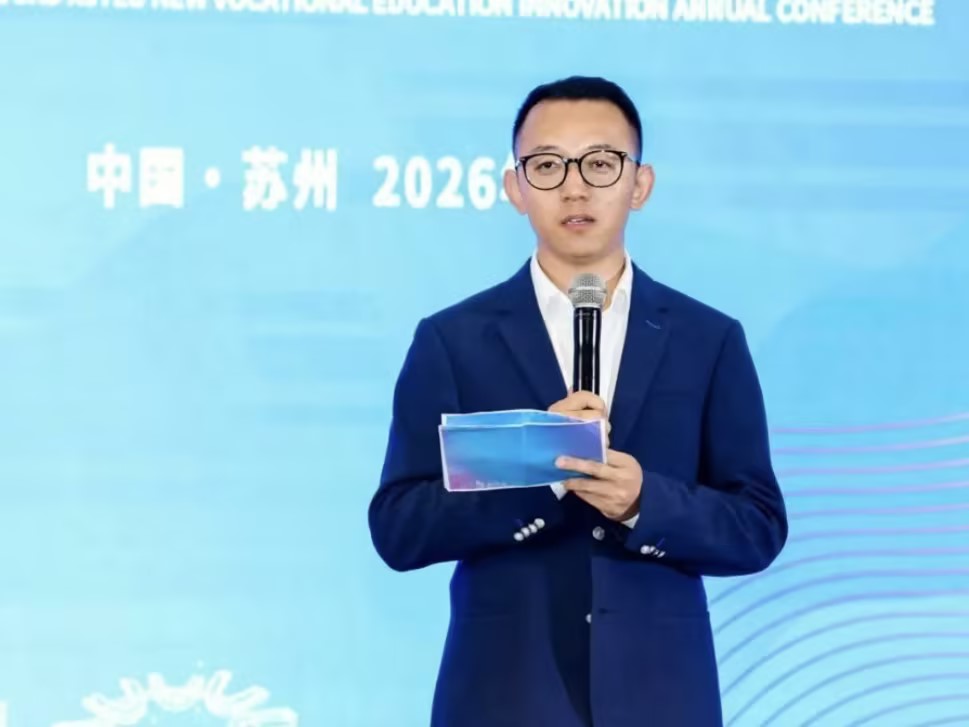
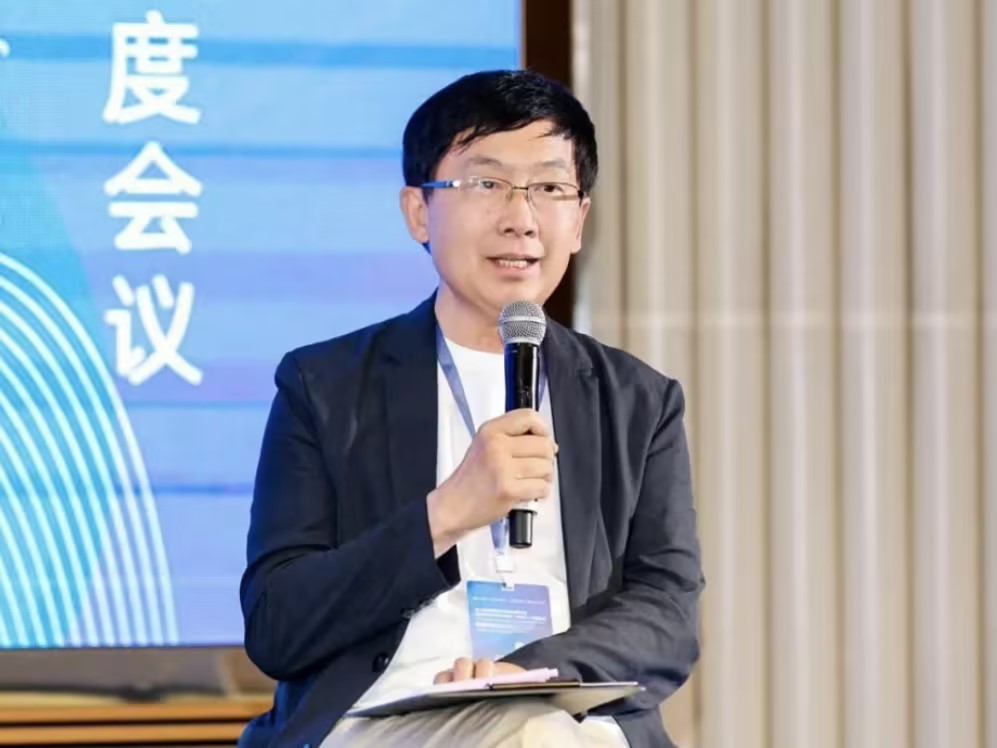
During the roundtable forum, guests shared practices and reflections on industry-education integration from multiple perspectives including enterprises, education, social organizations, and institutions. Enterprise representatives pointed out that by jointly building industry colleges with universities, the single-point recruitment model can be transformed into a systematic talent cultivation model, reducing per capita recruitment costs and talent turnover risks — this is "the difficult but correct thing to do." Against the backdrop of increasing employment pressure, application-oriented and practical talents will become an important force for national development. Education representatives emphasized that industry-education integration must "return to education," vocational colleges need to study their own educational laws and student growth laws, and industry colleges should build an "education ecosystem," taking the student learning perspective as the core to create an open, integrated, and innovative educational field. The practice of Maple Leaf Vocational College provided a vivid case for the forum. Relying on the flexibility of the private mechanism, the school established eight industry colleges, making timely adjustments and survival of the fittest. It also built the nation's largest "History Museum of the Chinese Vocational Education Association," inheriting Huang Yanpei's vocational education thoughts, while AI has deeply empowered teaching management, promoting education and teaching reform.
When analyzing the main dilemmas in implementing industry-education integration, guests directly addressed the pain points: in the past, industry-education integration had "too much grand narrative and too few practical handles." The core problem lies in failing to reach the "curriculum" level — teachers need to become "translators," achieving "work task curriculumization, teaching task workization, and work process systematization." Existing teaching materials have outdated content that cannot match new technology scenarios such as AI and big data. School-enterprise collaboration mechanisms are not smooth — the rhythm between enterprises pursuing rapid delivery of performance and student cultivation being "slow work" is difficult to coordinate. Institutional and mechanism constraints are obvious — public institutions are constrained by the system, with teaching materials difficult to change and slow decision-making, while enterprises lack willingness to participate and lack supporting policy incentives. For future development pathways of industry-education integration, guests proposed: taking curriculum as the handle to promote micro-level implementation; strengthening technology empowerment and platform construction, implementing "project-based education, systematic management, and platform-based professions"; building differentiated moats and regional ecosystems, focusing on "digitalization, integration, ecosystemization, and precision"; deepening government-school-enterprise collaboration and international layout, promoting "vocational education going global"; adhering to original aspirations and action orientation, emphasizing that "industry-education integration is not about making principals busy, but about making students busy." The ultimate foothold is to stimulate student initiative, forming a virtuous cycle of "students driving teachers."
The atmosphere at the roundtable forum was enthusiastic, with guests' genuine insights and far-sighted views triggering rounds of applause. During the interactive segment, online and offline audiences actively raised questions, engaging in in-depth discussions with guests on topics such as industry college construction, digital teaching material development, and school-enterprise collaboration mechanisms. Many participants expressed that this forum possessed both theoretical height and practical depth, providing referable pathways and methods for institutions to advance industry-education integration, leaving people deeply inspired and richly rewarded.
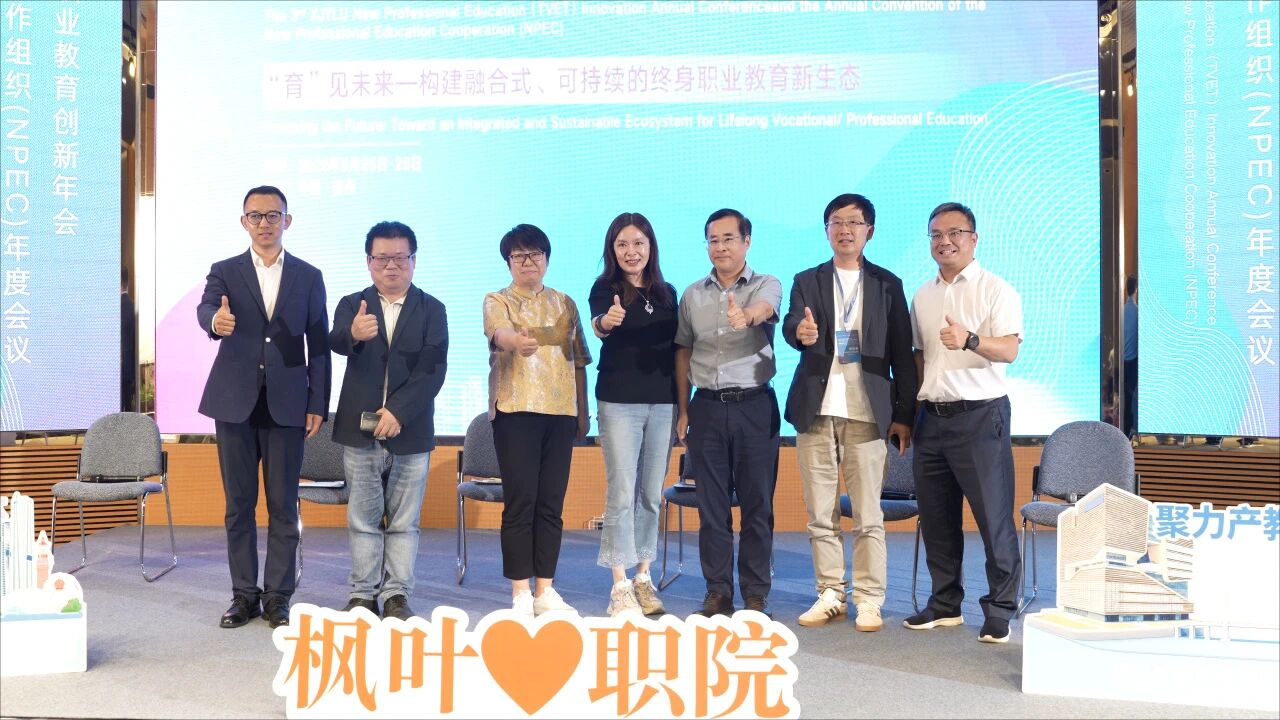
Consensus and Action: The Leap from Concept to Practice
The successful holding of this sub-forum not only provided ideological guidance and practical references for the deep advancement of industry-education integration but also fully demonstrated Dalian Maple Leaf College of Technology's proactive initiative and sense of responsibility in vocational education reform and innovation. Guests unanimously agreed that industry-education integration is no longer an optional choice but the only path for the survival and development of vocational education. In the future, it will present a pattern of "leading by the head, regional differentiation, and technology-driven development," with whole-society collaboration becoming the key to building the new ecosystem.
In the future, Dalian Maple Leaf College of Technology will continue to leverage the institutional and mechanism innovation advantages of private colleges, relying on the eight industry colleges as the foundation and using digital teaching materials and AI technology empowerment as means, to continuously promote the deep integration of the education chain, talent chain, and industry chain. The college will inherit Huang Yanpei's vocational education thoughts, uphold the original aspiration of "providing employment for the unemployed and bringing satisfaction to the employed," and attract enterprises to deeply participate in the education process through the "building nests to attract phoenixes" strategy, achieving tripartite win-win outcomes for students, enterprises, and the school. Simultaneously, the college will actively integrate into the "Belt and Road" education going global strategy, promoting the internationalization of Chinese vocational education standards and resources, contributing Maple Leaf wisdom and solutions to building an integrated and sustainable new ecosystem for lifelong vocational education and to the lifelong growth and comprehensive development of every learner.