To closely follow the frontier trends of the intelligent robot industry, align with emerging industry talent demands, and deepen industry-education integration and innovation in education reform, on June 25, Gao Hongyin, Dean of the Innovation and Entrepreneurship College of Dalian Maple Leaf College of Technology, was invited to Hangzhou to participate in the 2026 3rd Embodied Humanoid Robot Scenario Application Expansion Conference and the 1st Embodied Humanoid Robot Integrators Hundred Members Conference, studying new ideas for the industrial implementation and ecosystem development of humanoid robots.
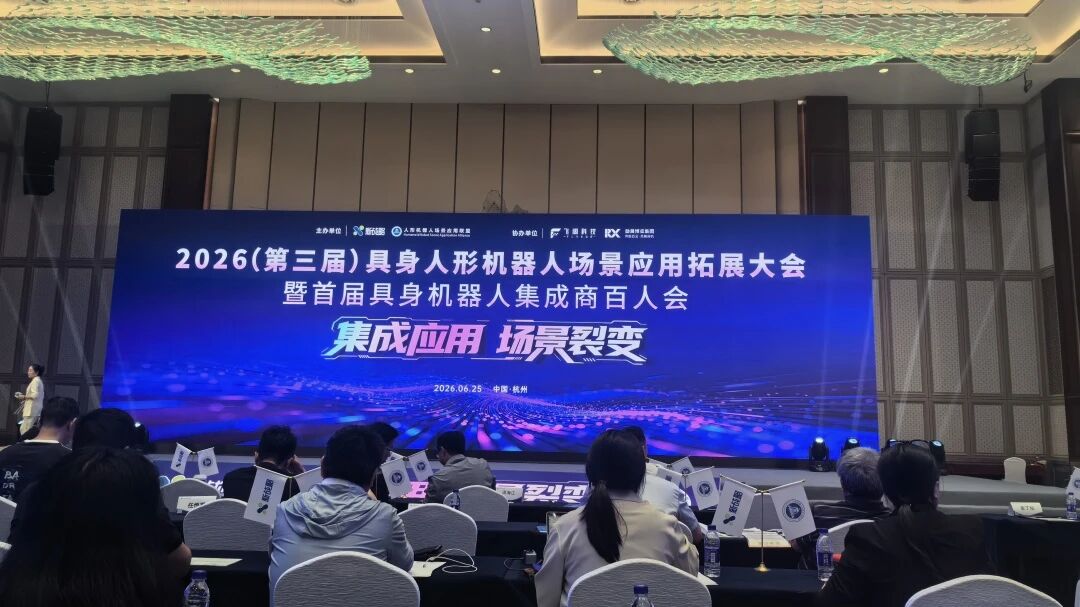
This conference, themed "Integrated Application, Scenario Fission," gathered backbone enterprises and industry experts from the upstream and downstream of the humanoid robot industry chain, focusing on core issues such as technology commercialization implementation, multi-scenario applications, and industry collaboration. It is a highly authoritative frontier industry event in the domestic embodied intelligence field. The conference simultaneously released the "50+ Humanoid Robot Scenario Application Implementation Atlas," providing practical references for large-scale industry implementation.
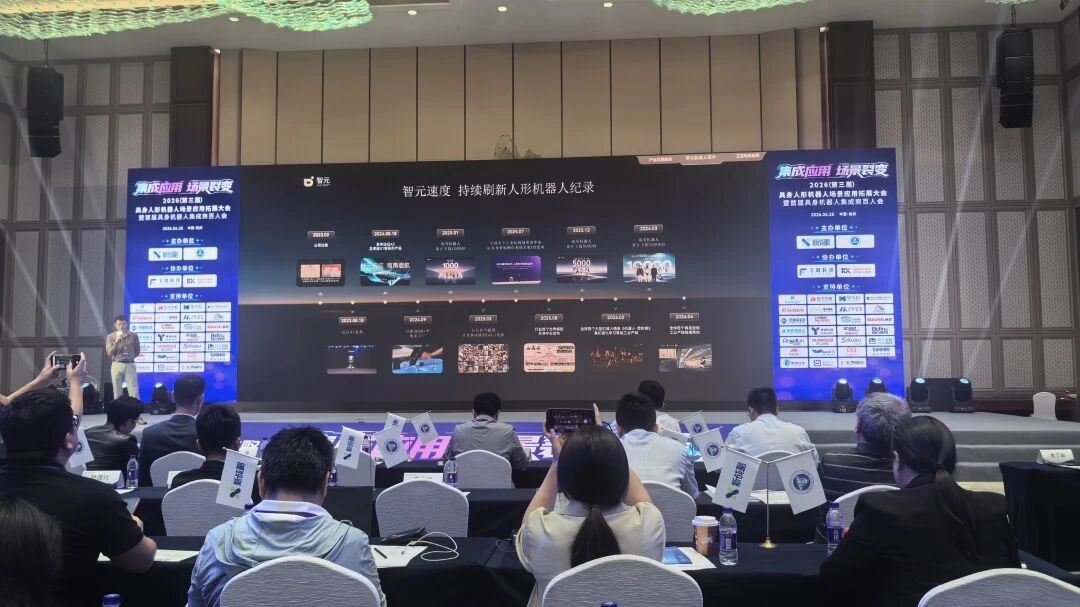
The conference pointed out that the current humanoid robot industry is at a critical stage of transitioning from technology demonstrations to commercial validation. Breaking through information gaps in the industry chain and promoting scenario integrated applications are core priorities for industry development. The industrial track will become the core field for large-scale humanoid robot implementation in 2026, and the talent gap for compound and practical science and innovation professionals continues to widen.
During the conference, Dean Gao Hongyin conducted in-depth study and active exchanges throughout, diligently learning benchmark implementation cases from leading enterprises in fields such as intelligent manufacturing, special operations, human-machine interaction, and intelligent operation and maintenance. He precisely grasped the iterative direction of the humanoid robot industry and rigid market talent demands. Dean Gao Hongyin has long been deeply cultivating innovation and entrepreneurship education in vocational colleges, industry-education integration, and science and innovation talent cultivation. Upholding the educational philosophy of "industry frontiers guiding teaching, science and innovation practice empowering growth," he has taken the lead in optimizing innovation and entrepreneurship courses, cultivating science and innovation competitions, and building school-enterprise incubation platforms, guiding students to win provincial and national innovation and entrepreneurship competition awards, and continuously promoting the school's education work to align with the development needs of new quality productive forces.
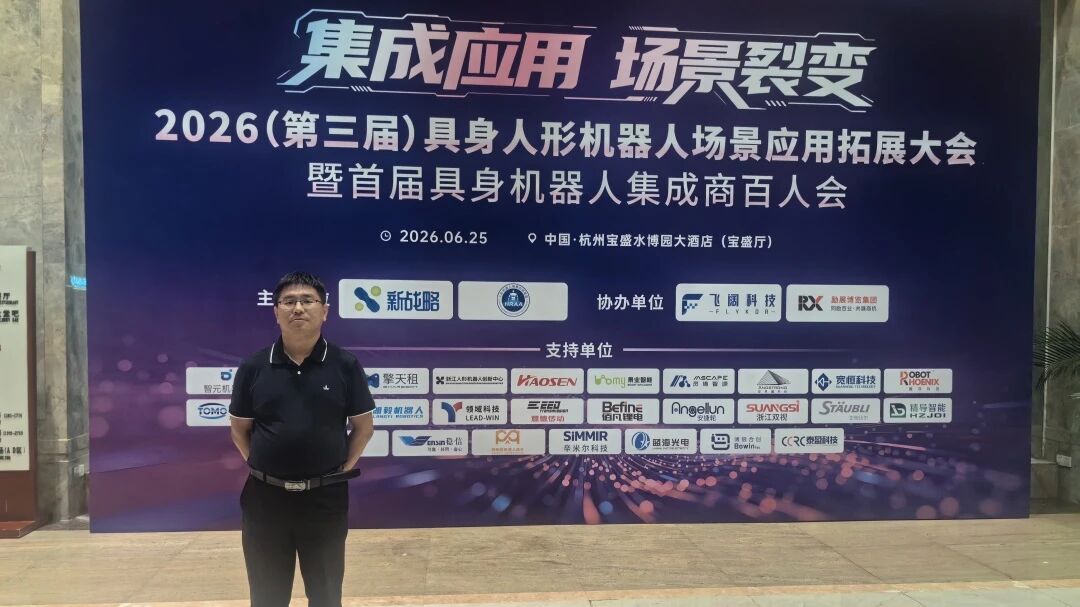
Combining the results of this study tour, Dean Gao Hongyin summarized that this participation precisely aligned with frontier technology industry dynamics and clarified new standards for talent cultivation in the humanoid robot field. He emphasized that vocational education must closely follow the pace of industrial upgrading, innovation and entrepreneurship education must be grounded in practical combat and aligned with the market, break down barriers between education and industry, and comprehensively enhance students' industry adaptability capabilities and innovation practice capabilities.
Moving forward, the Innovation and Entrepreneurship College will take this study tour as an opportunity to deeply cultivate industry-education integration and optimize innovation education: iterate the innovation and entrepreneurship course system, integrating frontier content such as embodied intelligence and robot scenario applications; deepen school-enterprise cooperation, building science and innovation practical training and incubation platforms; guide students to deeply cultivate technology frontier tracks, assisting students in innovation and entrepreneurship and high-quality employment.