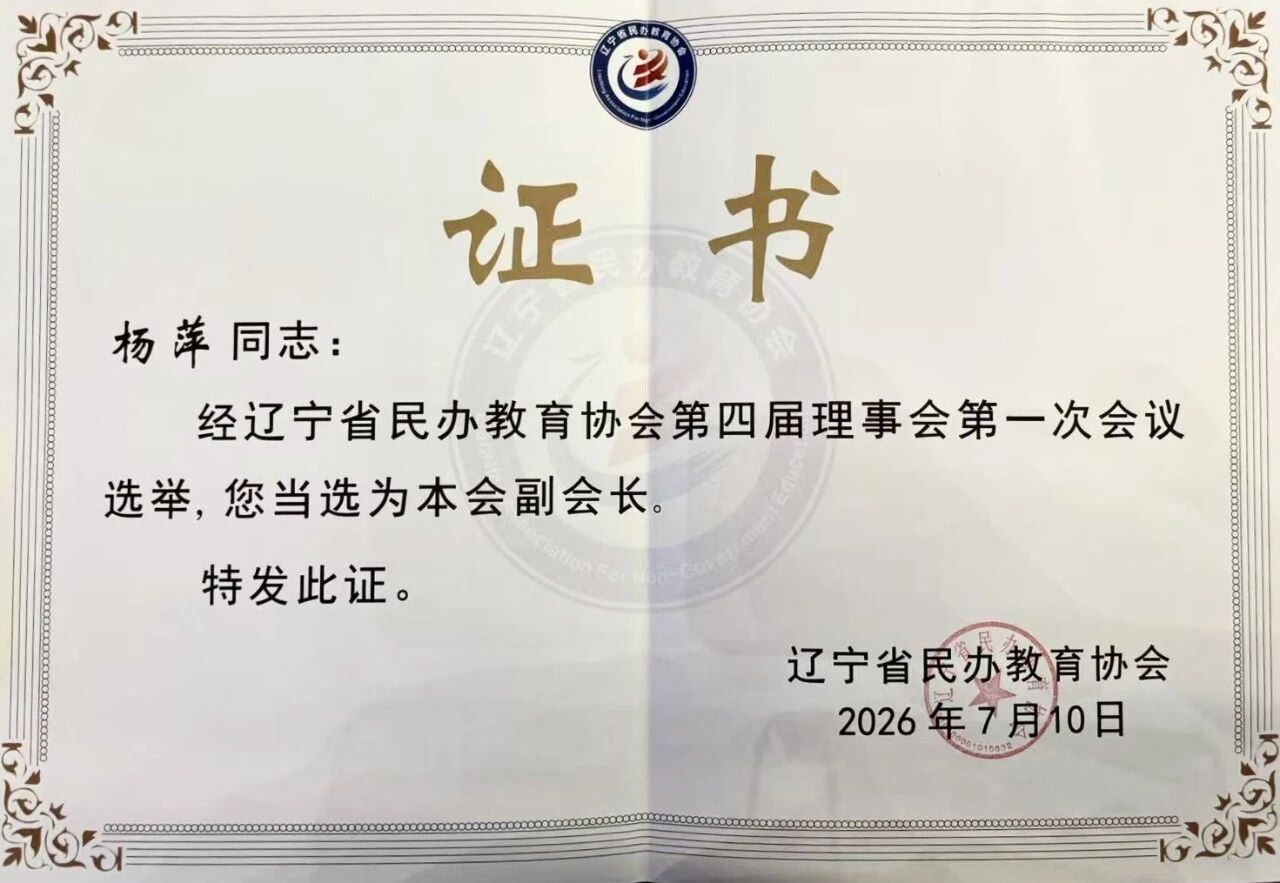
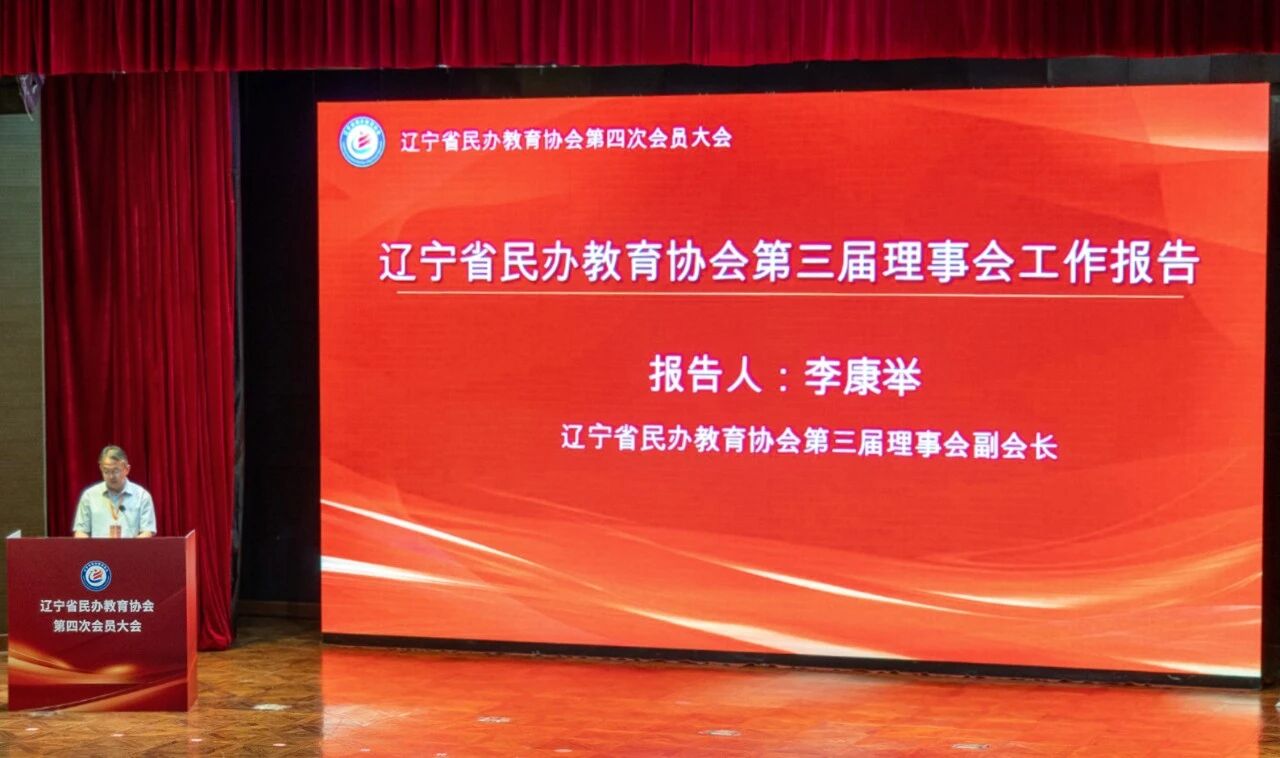
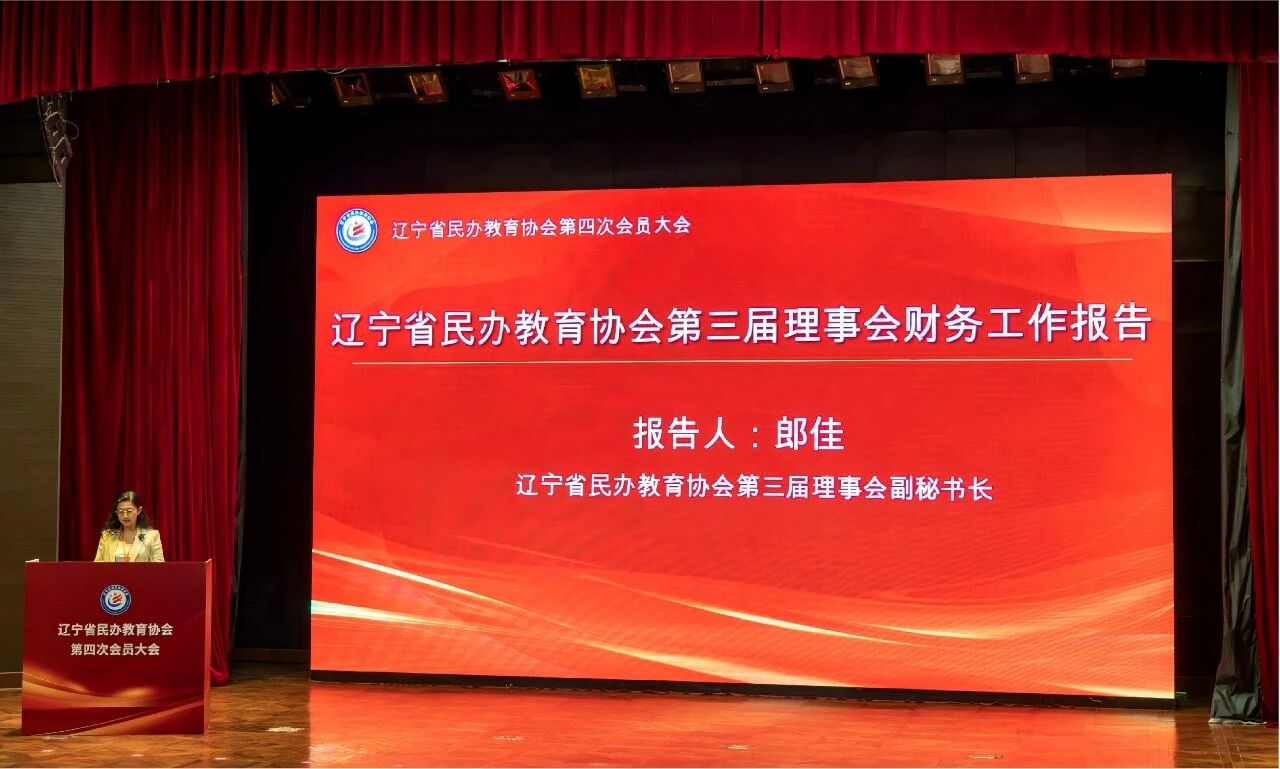
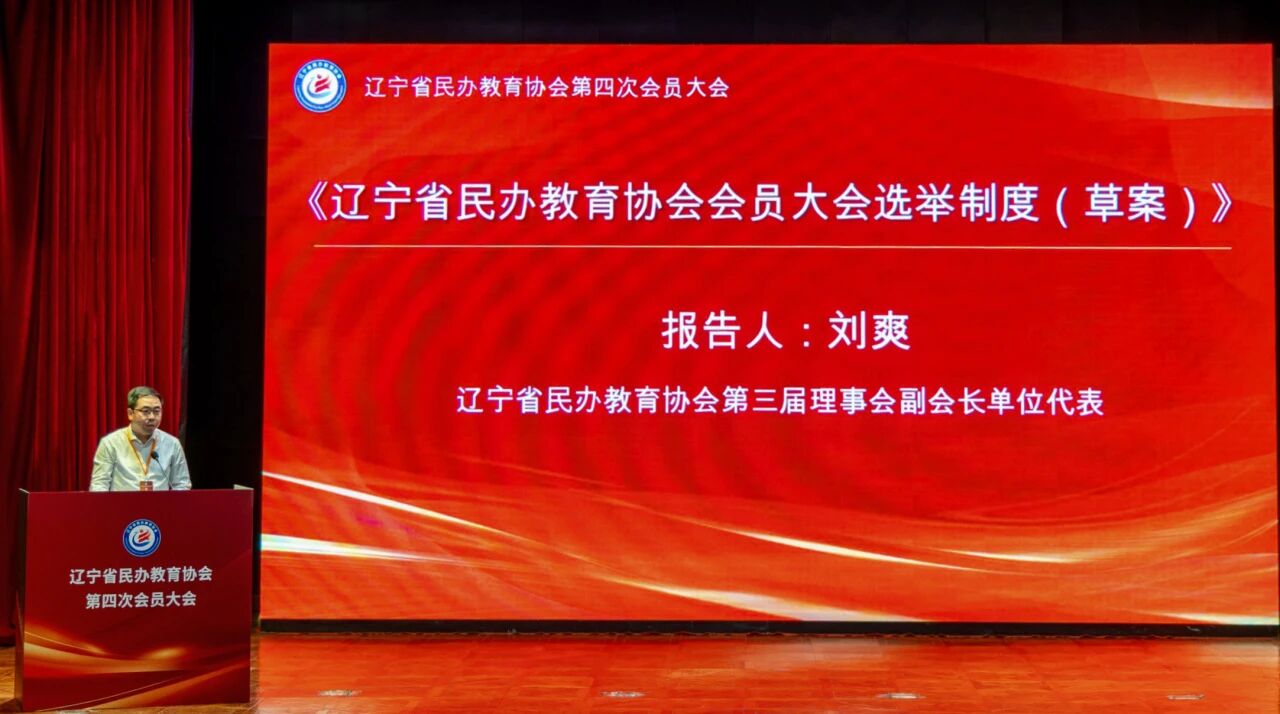
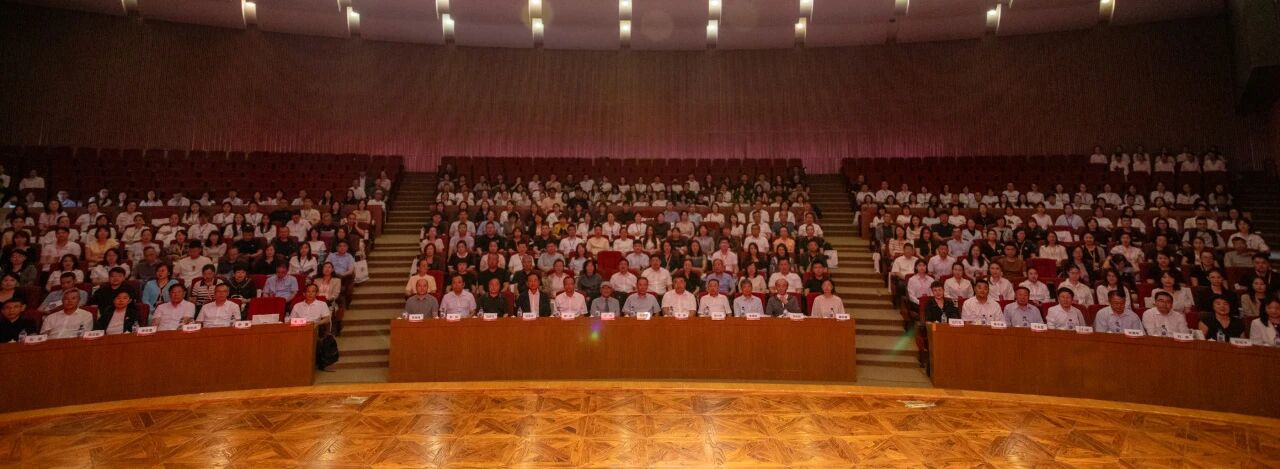
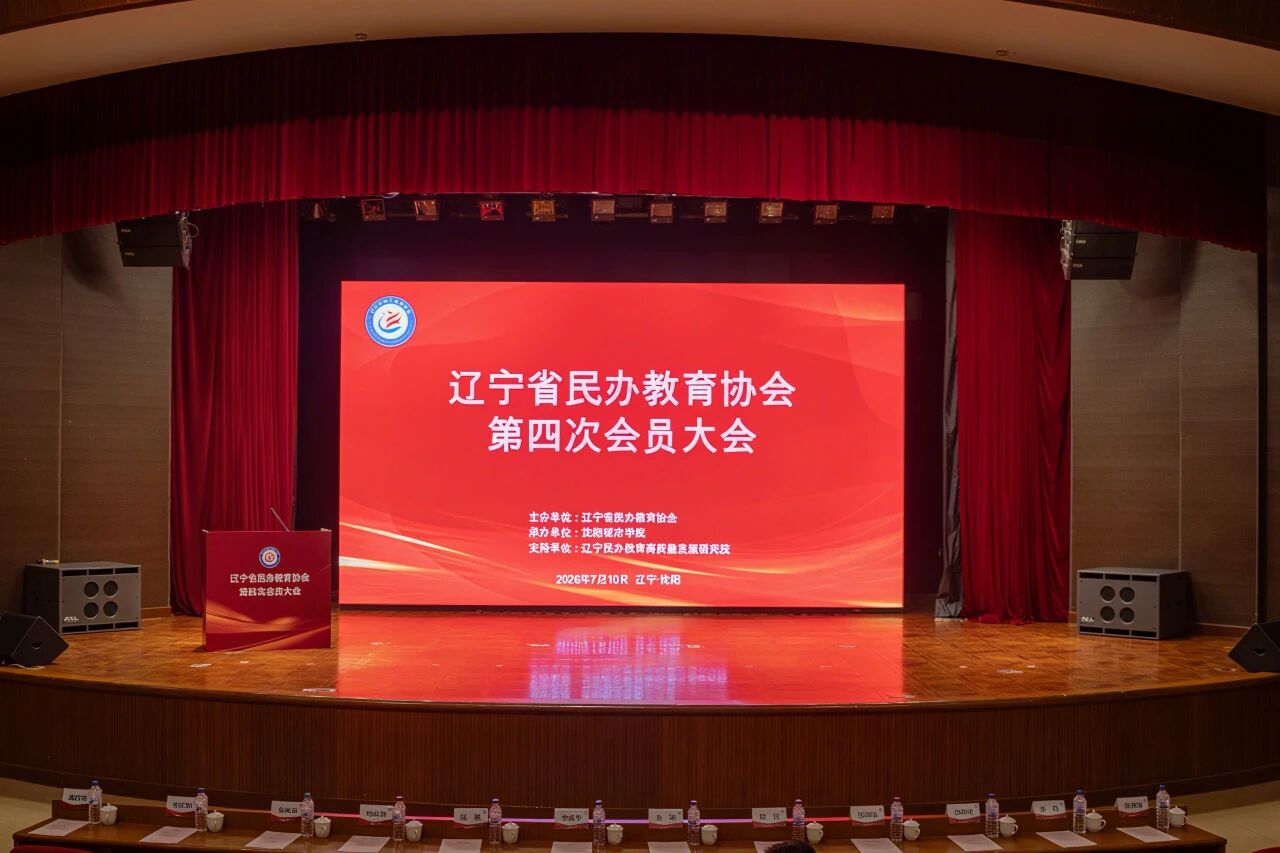
On July 10, the Fourth Members' Congress of the Liaoning Private Education Association was solemnly convened at the Green Island Lecture Hall of Shenyang City University. This was a provincial gathering of private education held at a critical juncture when the building of a strong education nation is rising across the board and Liaoning's comprehensive revitalization is at a pivotal stage of tackling tough challenges. Through the election at the congress and a secret ballot at the first meeting of the Fourth Council, Ms. Yang Ping, Chairperson of the Board of our college, was elected Vice President of the Fourth Council of the Liaoning Private Education Association.
Part I. A Grand Gathering, with Authoritative Attention
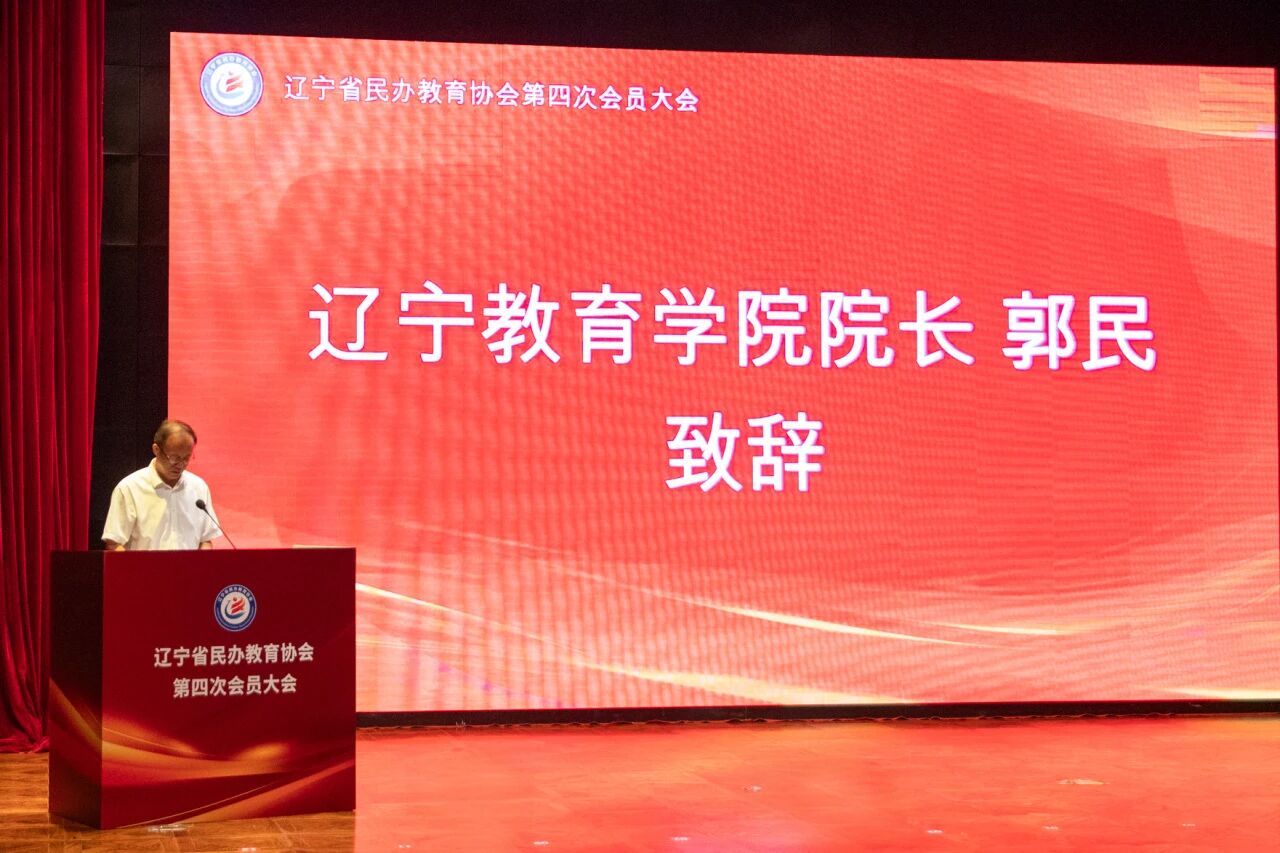
The congress drew wide attention from all quarters and received high regard and full support from competent authorities at various levels and the China Private Education Association. Li Lianning, Honorary President of the Third Council of the China Private Education Association, member of the Standing Committee of the 10th, 11th, and 12th National People's Congress (NPC), Deputy Secretary-General of the NPC Standing Committee, and Deputy Chair of the Law Committee of the 12th NPC, attended the congress to offer guidance. Also present were leaders and guests including Cao Lan, Vice Director of the Liaoning Provincial Department of Education; Bai Wei, Vice President of the China Private Education Association and President of the Third Council of the Liaoning Private Education Association; Lu Peng, Director of the Liaoning Zhonghua Vocational Education Society; Guo Min, President of the Liaoning Education College; Wang Aojuan, Director of the Development and Planning Division of the Liaoning Provincial Department of Education; Li Ming, Vice President of the Liaoning Education College; Yang Weiqun, President of the Liaoning Vocational and Technical Education Society; Ma Fengcai, former Vice President of Liaoning University; Zhang Zuogang, former Vice President of Liaoning Technical University; Yuan Decheng, former Vice President of Shenyang University of Chemical Technology; Mu Dai, former Vice President of the Liaoning Academy of Social Sciences; Gao Hongmei, President of the Liaoning Adult Education Society; Li Chaohai, Secretary-General of the Liaoning Education Society; and Yu Yongfu, Honorary President of the Shenyang Private Education Association. Meanwhile, some professional committees of the China Private Education Association, as well as private education associations from 18 provinces and municipalities across the country—including Beijing, Shanghai, Heilongjiang, and Shandong—and relevant sister institutions within the province sent letters of congratulation, fully demonstrating the national attention and industry influence of this congress.
Part II. Leadership Transition in Accordance with the Law, Election by Ballot
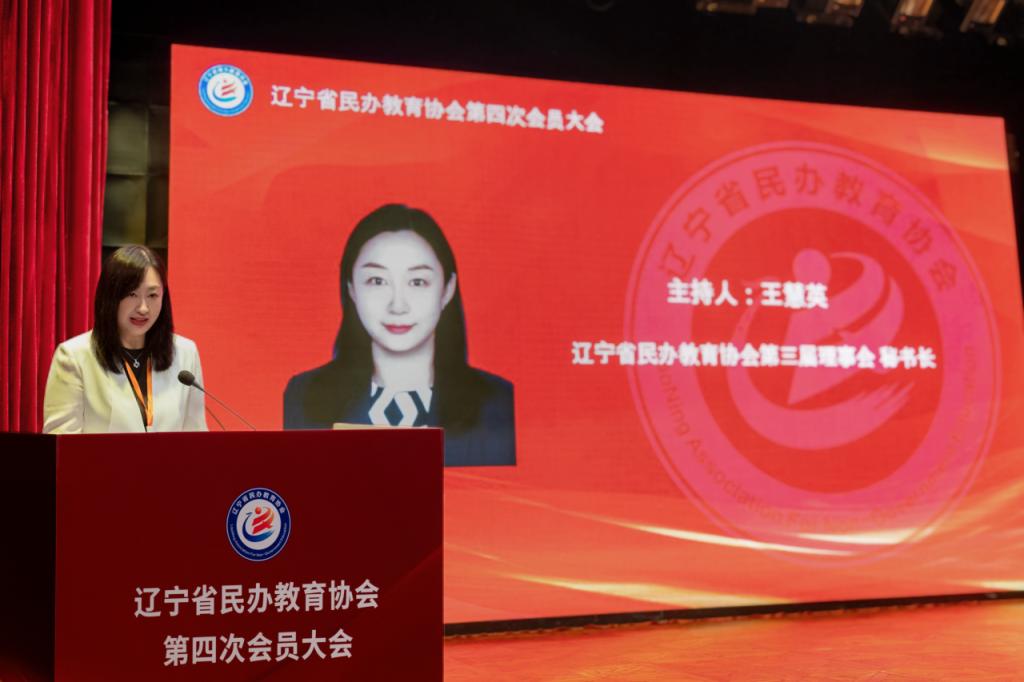
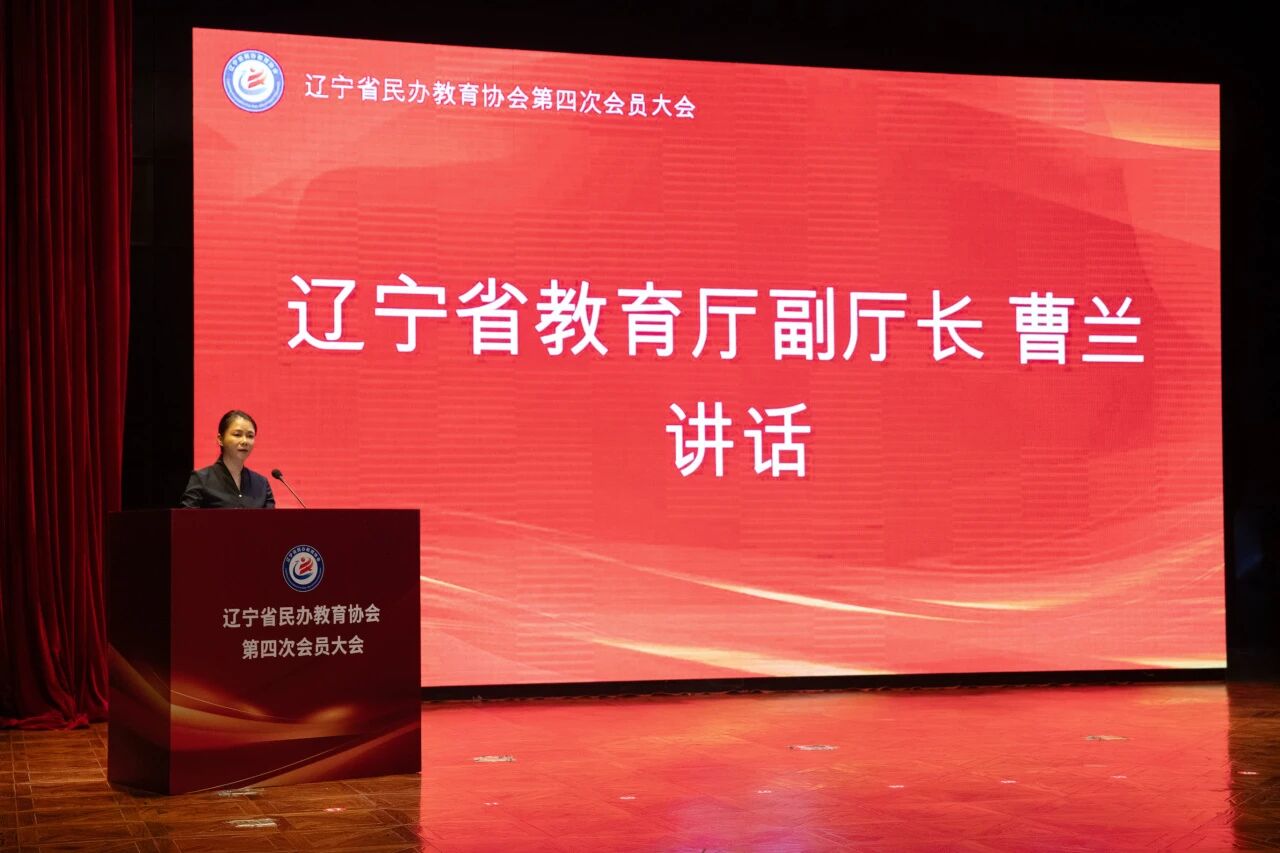
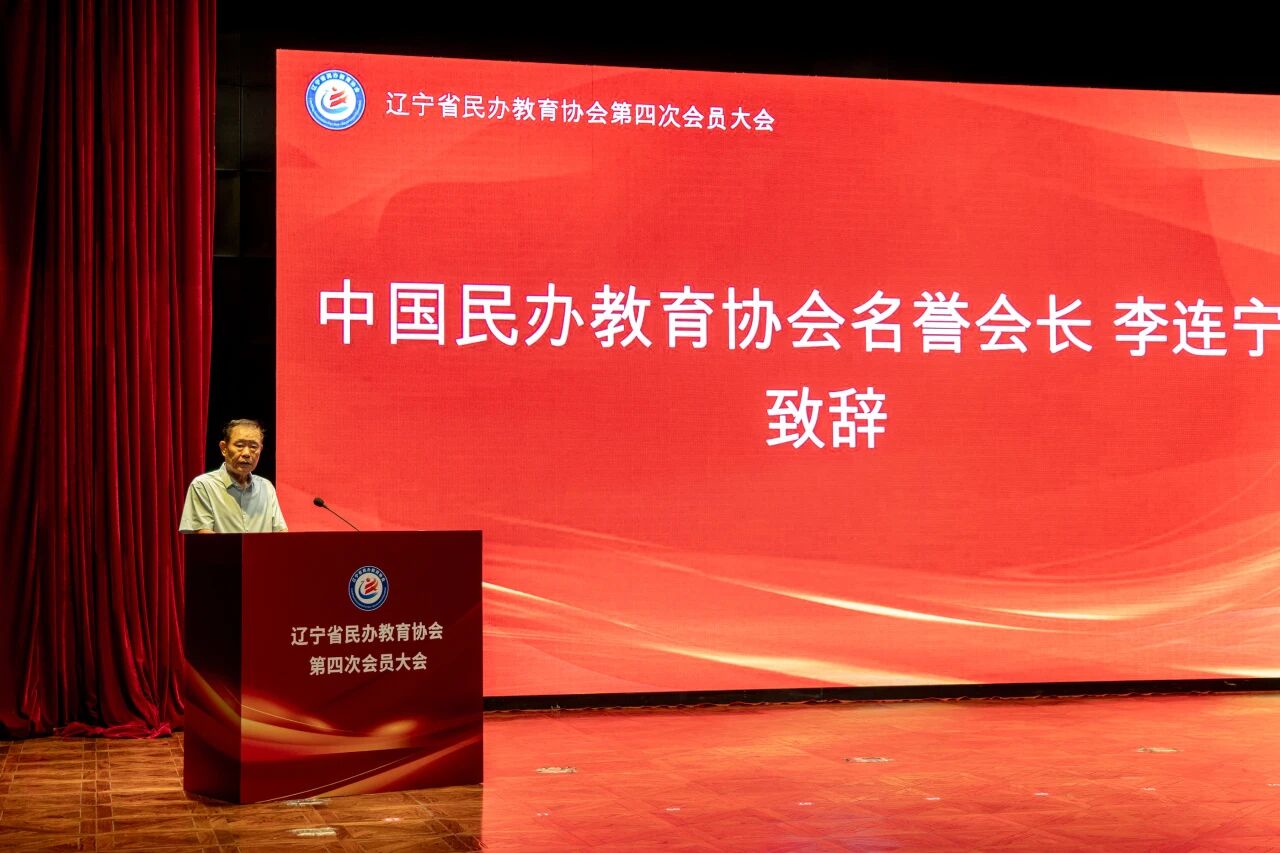
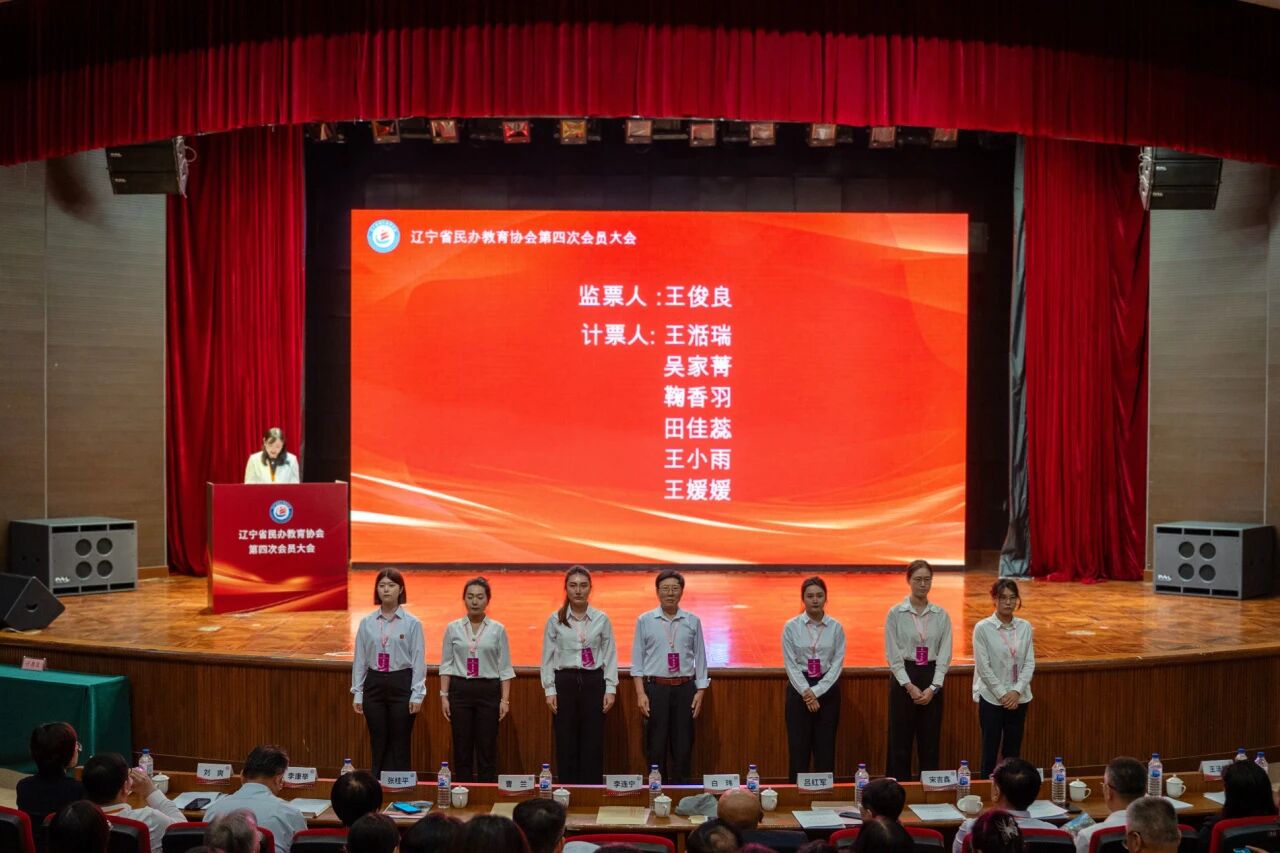
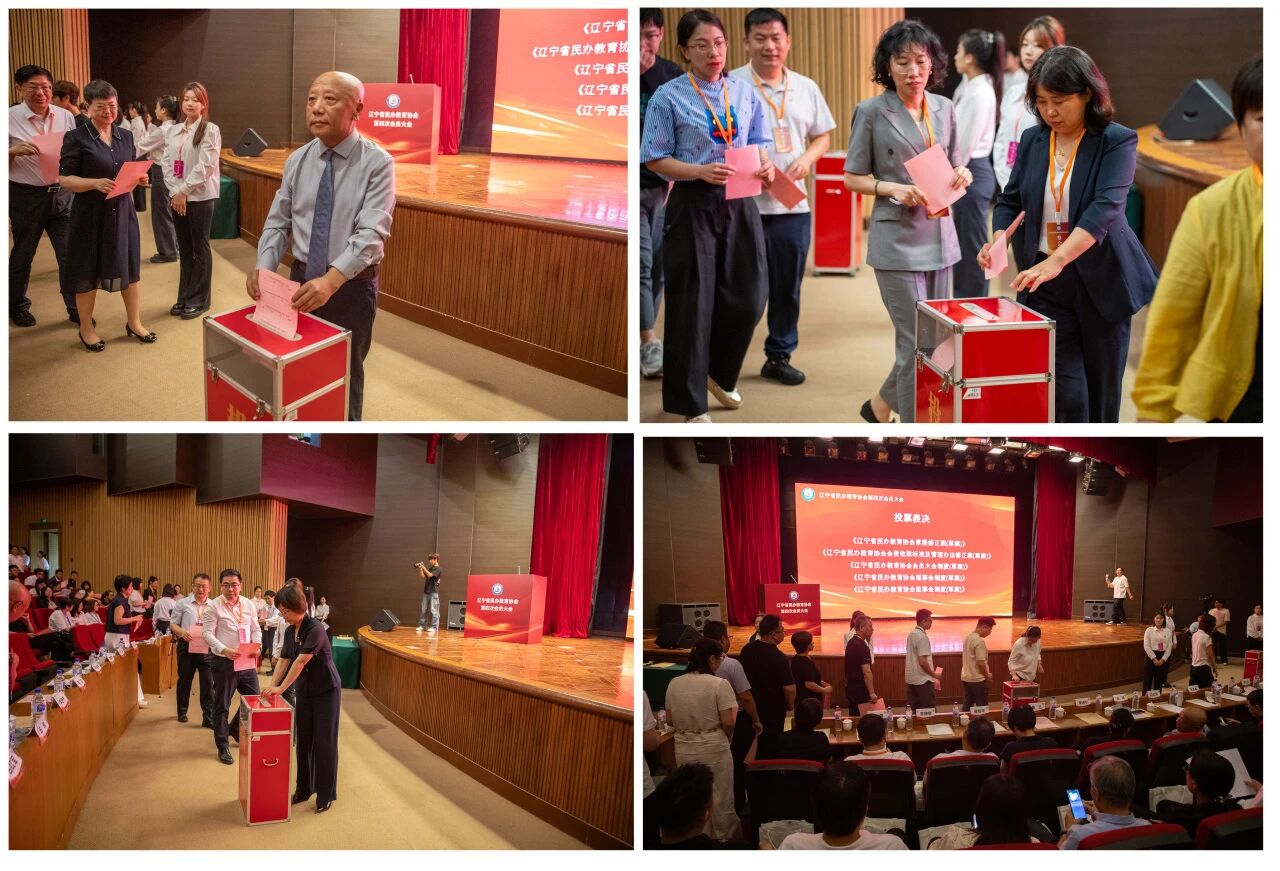
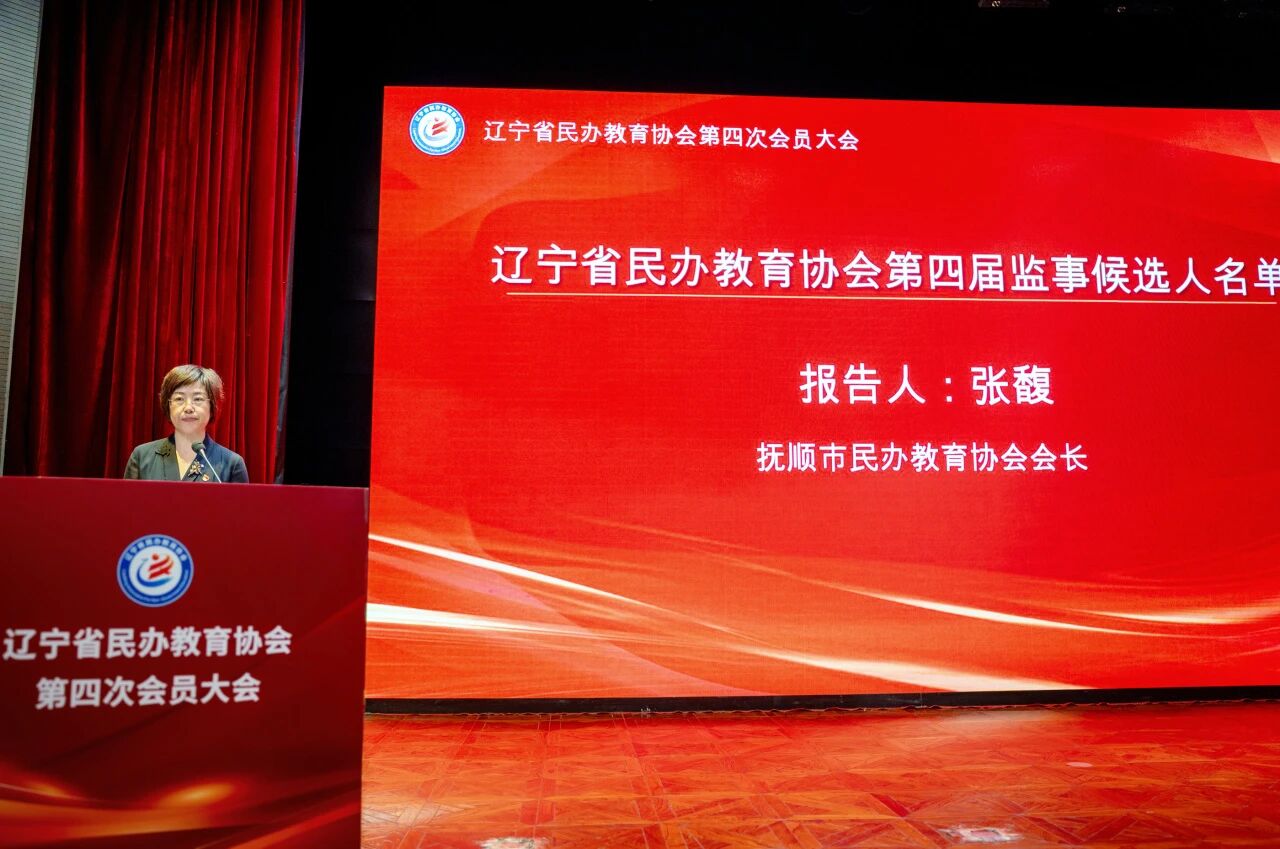
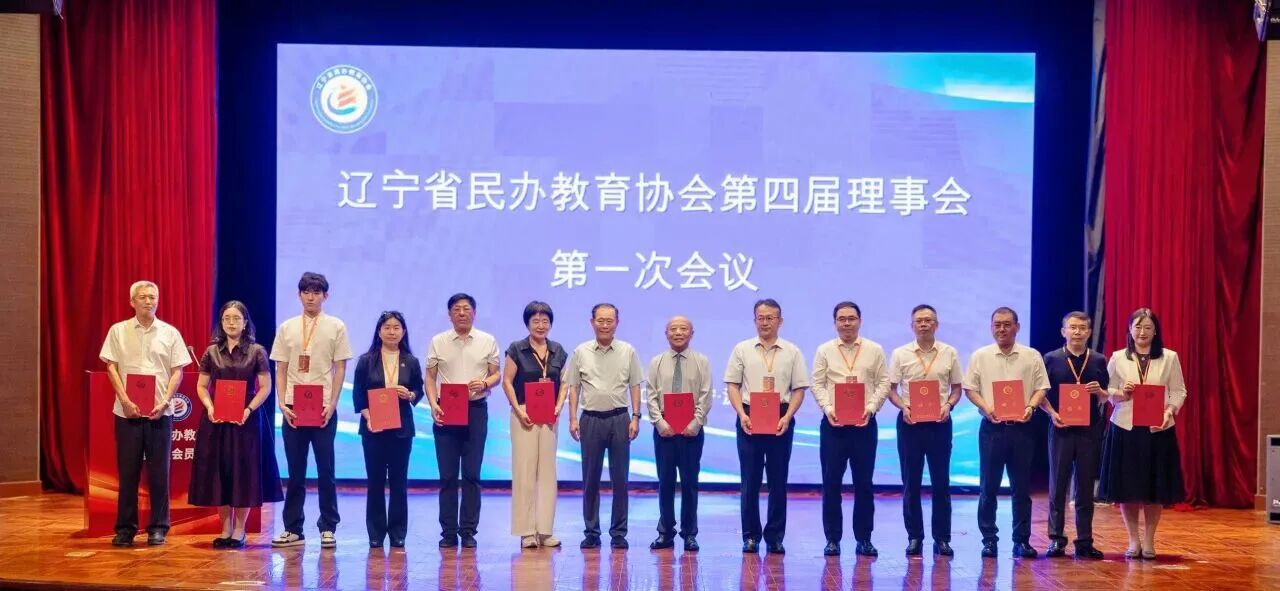
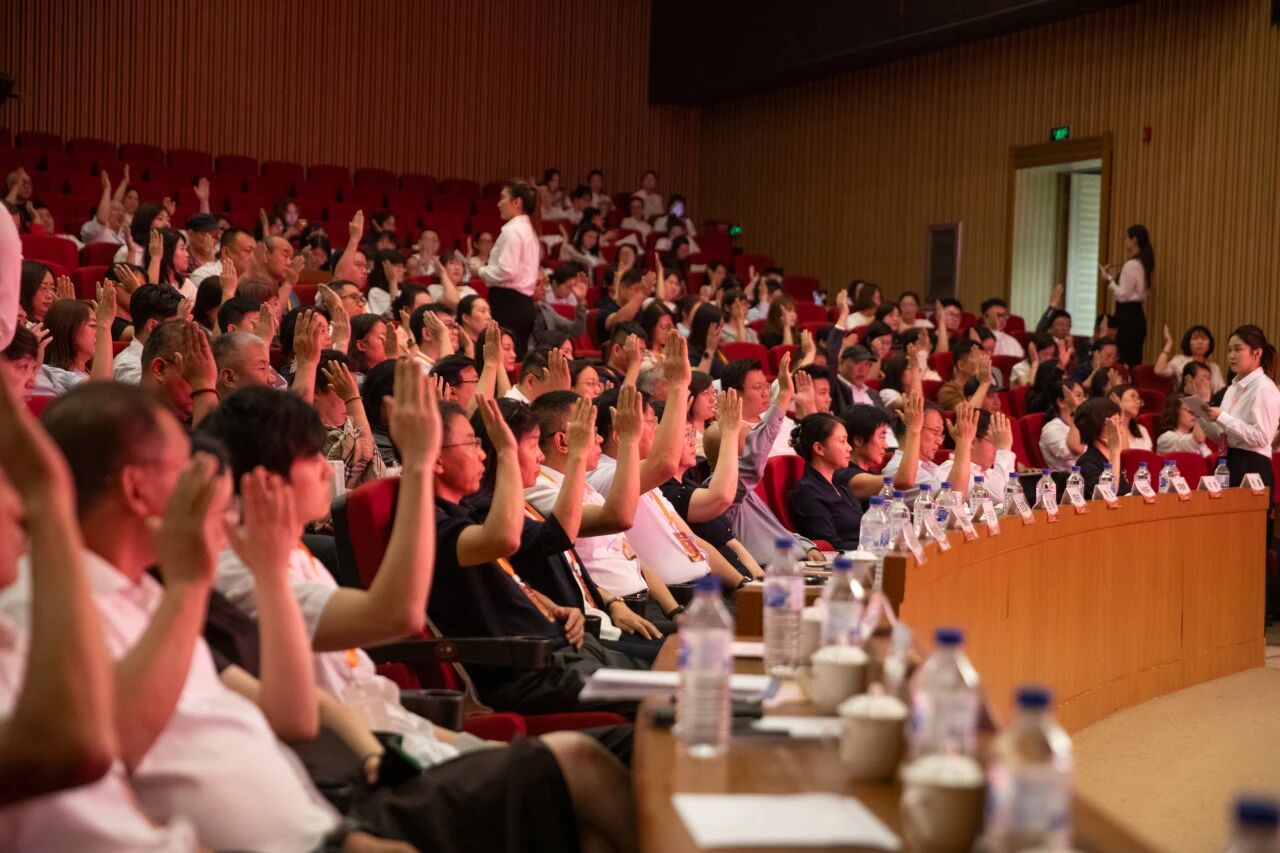
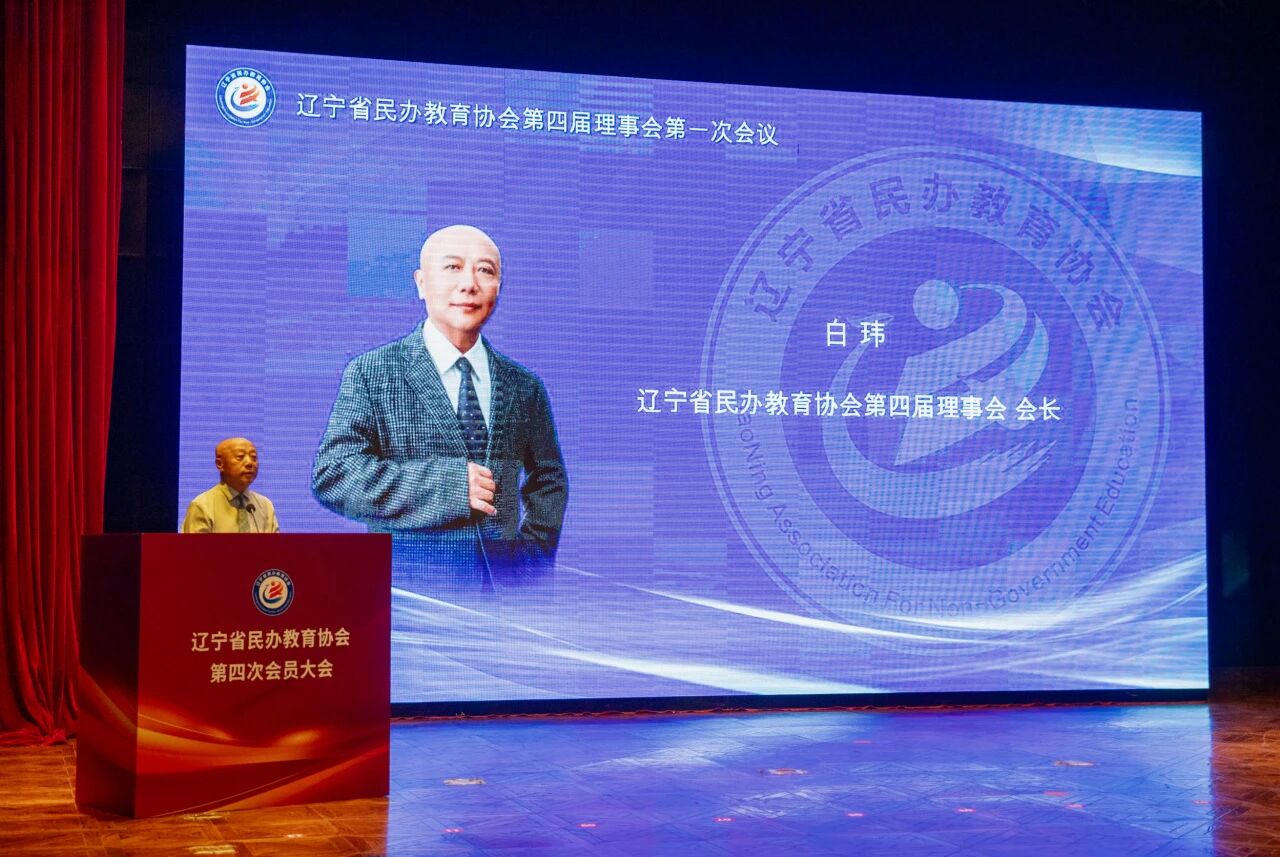
The congress was conducted strictly in accordance with the requirements of the Provincial Party Committee Social Work Department and in line with laws and regulations. It comprehensively reviewed the accomplishments of the Third Council, reviewed and adopted the Third Council's work report and financial work report, and voted to adopt five important documents—the Amendments to the Articles of Association of the Liaoning Private Education Association, the Amendments to the Standards and Management Measures for Membership Fees, the Members' Congress System, the Council System, and the Supervisory Board System—and elected a new council, supervisory board, and leadership team. In her speech, Cao Lan, Vice Director of the Liaoning Provincial Department of Education, fully affirmed the status and contributions of private education as a vital component of the province's educational undertaking, noted that private education has cultivated millions of qualified talents for Liaoning, and emphasized that private schools across the province should take Party building as the soul, standards as the foundation, and self-discipline as the bedrock, continuously opening up new horizons of high-quality development and contributing greater strength to the accelerated building of a province with strong education. In his address, Li Lianning, Honorary President of the China Private Education Association, looked back on the remarkable 23-year journey of the Liaoning Private Education Association and spoke highly of the work of its Third Council. He pointed out that Liaoning's private education occupies an important position in the national landscape, and expressed the hope that the new council would uphold law-based schooling, deepen industry self-discipline, and focus on the quality of education, thus enabling Liaoning's private education to advance steadily and far on the track of standardization and the rule of law. At the subsequent first meeting of the Fourth Council, Bai Wei was elected President of the Fourth Council of the Liaoning Private Education Association, and Wang Huiying was elected Secretary-General and serves as the legal representative. Li Lianning, Honorary President of the China Private Education Association, presented certificates to the members of the new leadership team. Relying on her profound accumulation in the field of vocational education and her school-running practice, our college's Chairperson of the Board Yang Ping was elected Vice President of the Fourth Council.
Part III. Deeply Cultivating Vocational Education, an Honor Well Deserved
Deeply cultivating vocational education, she advances with perseverance toward distant goals. Under the leadership of Chairperson Yang Ping, Dalian Maple Leaf College of Technology has consistently adhered to the school-running philosophy of "building disciplines on the industry chain and setting classrooms on the production line." With its eight industry colleges as the core pillar and its Center for Continuing Education and International Cooperation and Exchange as its window to the world, the college has continuously deepened industry-education integration, school-enterprise collaboration, and international cooperation, steadily raising the quality of talent cultivation and its capacity for social service, with its school-running outcomes and social reputation on a constant rise. This election is both a full affirmation of Chairperson Yang Ping's personal industry influence and a high recognition of our college's school-running achievements, marking that our college's influence within the provincial private education system has reached a new level.
Part IV. Fulfilling Duties with Diligence, Forging Ahead on a New Journey
Since its founding in 2003, the Liaoning Private Education Association has consistently upheld the Party's leadership, thoroughly implemented the Party's education policy, and played an important role in policy research, industry self-discipline, and exchange and cooperation. It is the core platform driving the high-quality development of private education across the province. Chairperson Yang Ping stated that she will conscientiously perform the duties of vice president, give full play to the bridging role, join hands with member institutions to jointly explore the reform path of private vocational education in the new era, help build the contingent of high-skilled talents urgently needed for Liaoning's comprehensive revitalization, and contribute "Maple Leaf strength" to the construction of a modern vocational education system.
Standing at a new starting point, we forge ahead on a new journey. This election is an important milestone in our college's deep integration into the provincial private education governance system. Facing the new situation and new tasks at the opening of the 15th Five-Year Plan, Dalian Maple Leaf College of Technology will hold fast to its original aspiration in education, bravely shoulder the mission of nurturing people, integrate itself into the overarching endeavor of building a strong education nation from a higher vantage point, serve Liaoning's comprehensive revitalization strategy with more concrete measures, and strive to build a first-class domestically and renowned internationally high-level vocational college, continuously supplying high-quality technical and skilled talents to serve the high-quality development of the national Belt and Road Initiative, regional industrial upgrading, and economic and social progress, and constantly composing new chapters on the path of innovative development in vocational education.