On July 27, a six-person delegation led by Chairperson Yang Ping, President Yang Jie, Executive Vice President Gao Chenglin, Vice President Eilis, Minister of the Publicity Department Xue Fei, and Dean of the School of Innovation and Entrepreneurship Gao Hongyin made a special trip to the Huawei Lianqiu Lake R&D Center in Shanghai for on-site research and exchange. The visit aimed to experience up close the innovation ecosystem of an industry leader and further broaden the college's vision and thinking in industry-education integration and talent cultivation.
The Huawei Lianqiu Lake R&D Center is Huawei's largest R&D center in the world, built with great effort in Qingpu, Shanghai. With its grand scale and complete functions, it mainly undertakes core technology R&D tasks such as terminal chips and wireless networks, serving as a key strategic pivot for Huawei's future technology competition and a core vehicle for gathering high-end R&D talent and tackling key technologies.
Cai Shijie, Business Manager of Huawei's Xiong'an New Area, Wang Rui, Business Manager for Large Enterprises in Huawei's Xiong'an New Area, Lin Tao, Senior Vice President of iSoftStone and CEO of iSoftStone Education, Li Jia, General Manager of the Strategic Clients Department of iSoftStone Education, and others warmly accompanied and received the delegation, providing detailed explanations throughout on the park's situation and potential directions for cooperation.
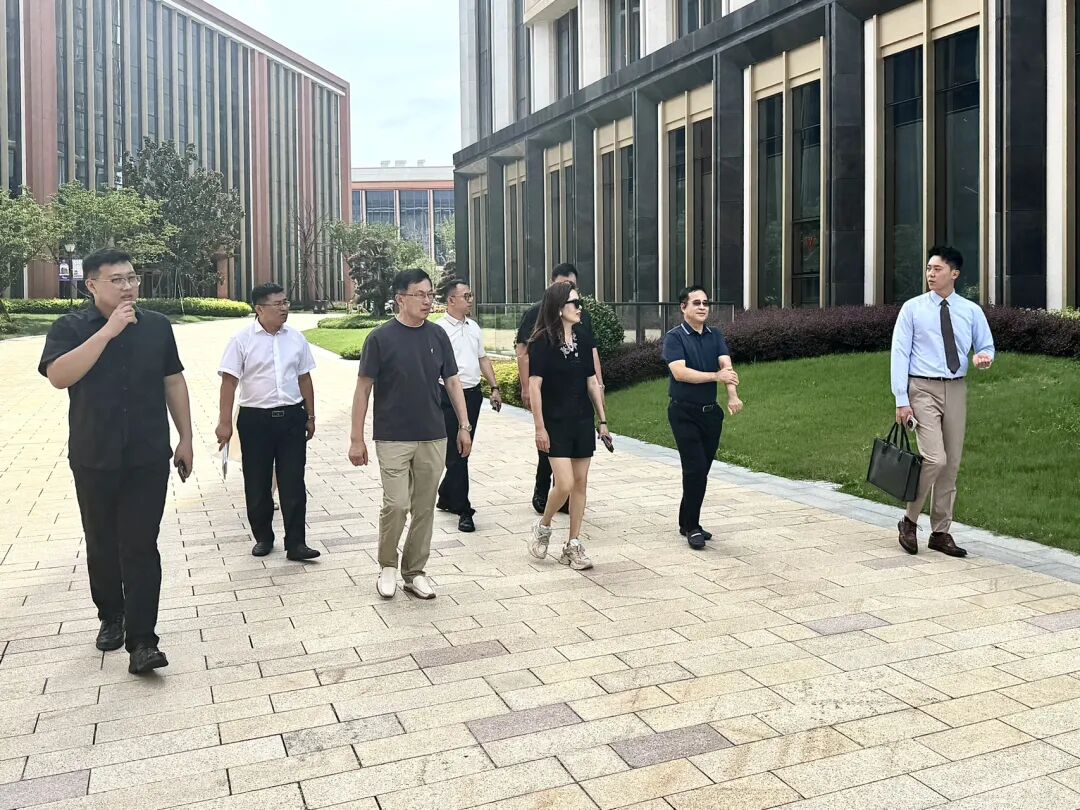
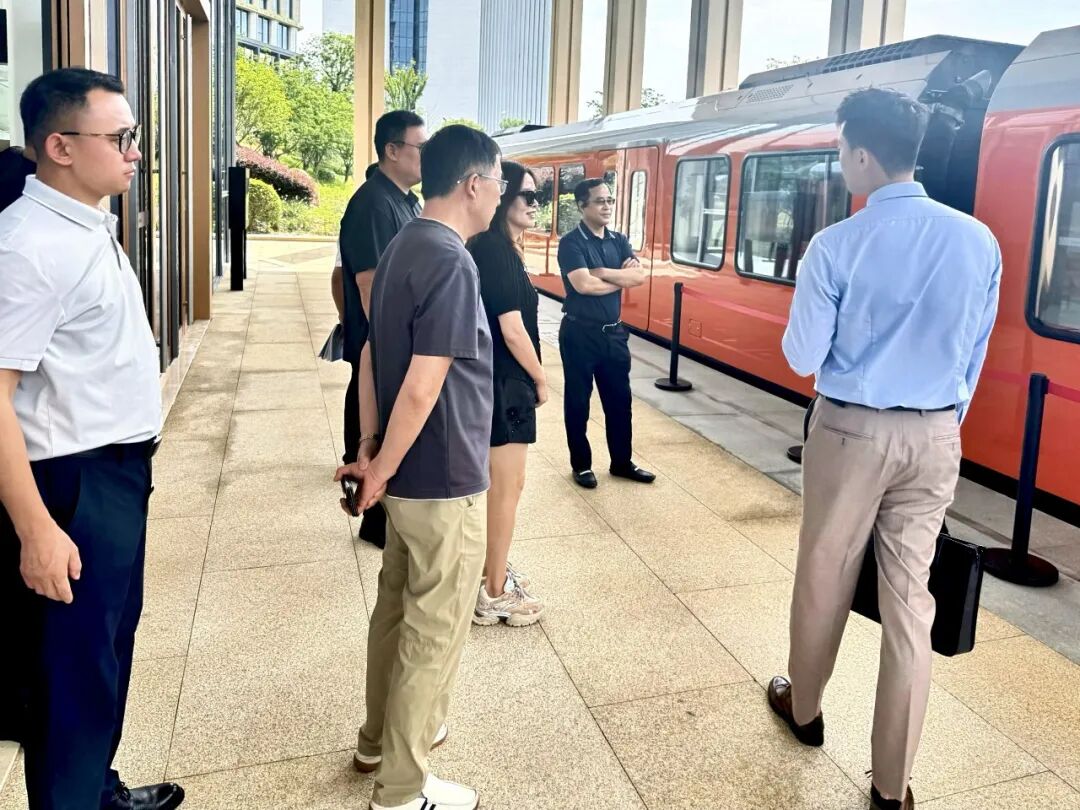
During the Huawei visit, the college leaders first toured the R&D park led by Cai Shijie and his team. Strolling through the park, characterized by water-system gardens and well-arranged R&D buildings, the leaders systematically learned about the overall spatial layout of the Huawei Lianqiu Lake R&D Center, the positioning of its functional zones, and its green, low-carbon, people-oriented construction philosophy. They gained an intuitive and in-depth understanding of the park's planning scale, complete ecological amenities, and strong talent-aggregation effect, deeply appreciating a first-class technology enterprise's ultimate pursuit of an innovative environment.
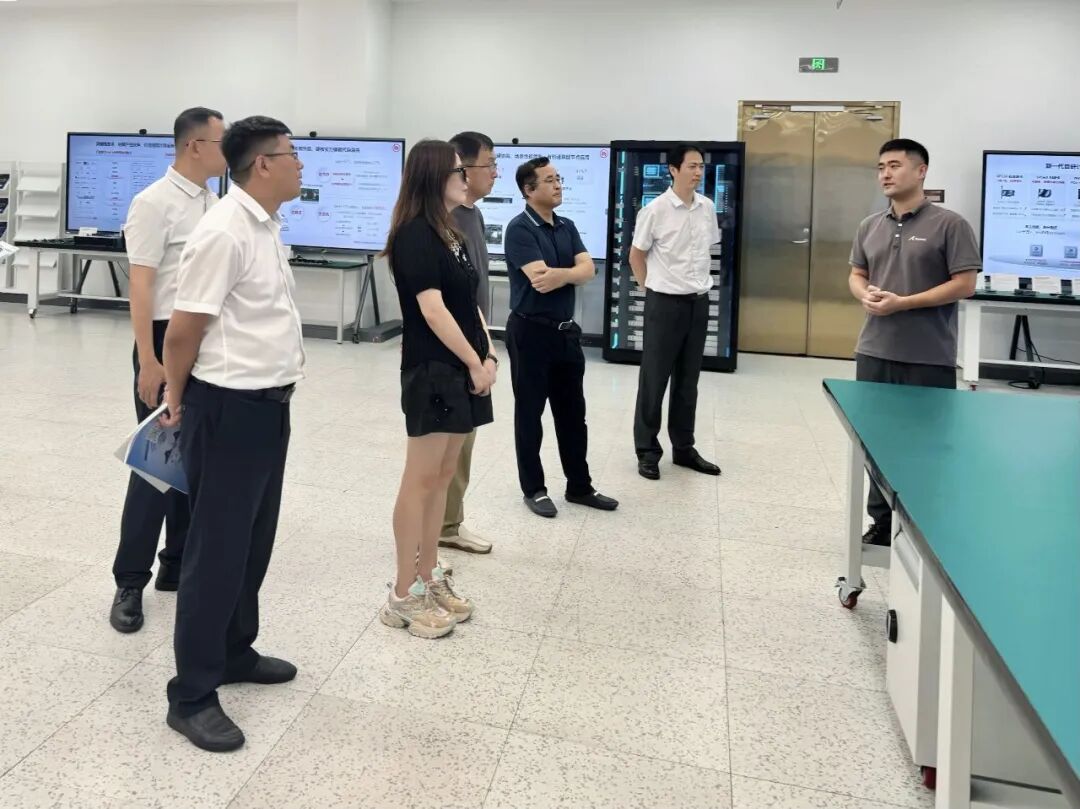
Subsequently, the college leaders entered the R&D center and product exhibition center to learn in detail about Huawei's advantageous layout and a series of core products supported by advanced productivity such as AI, storage, and computing power. From the underlying chips of smart terminals, to the cloud and storage infrastructure supporting thousands of industries, to the high-performance computing platforms for the AI era, the leaders carefully studied the frontier technological achievements, stopping from time to time to exchange views, deeply feeling Huawei's accumulated technological strength and corporate heritage, and speaking highly of Huawei's long-standing commitment to independent innovation and its leading position in key technology fields.
During the research visit, the college leaders held in-depth discussions separately with Huawei and iSoftStone Education. The three parties candidly and pragmatically exchanged views on industry-education integration, internship and practical training, R&D, and AI empowerment, further expanding new ideas and new space for school-enterprise collaborative education and collaborative innovation.
This research visit to the Huawei Lianqiu Lake R&D Center was a precious learning opportunity for the college to once again enter Huawei's high-end R&D park and feel the power of technology up close; it was also a vivid practice of the college proactively benchmarking against industry frontiers and planning for high-quality development. Looking ahead, the college will take this research visit as an opportunity to continuously deepen its collaborative cooperation with Huawei and iSoftStone Education in talent cultivation and technological innovation, transforming frontier industrial momentum into the driving force for running the college and educating students, and promoting industry-education integration to go deeper and more solid with a higher stance and more concrete measures, striving to cultivate more high-quality technical and skilled talents that meet industry needs, and contributing the college's strength to the high-quality development of the regional economy and society.