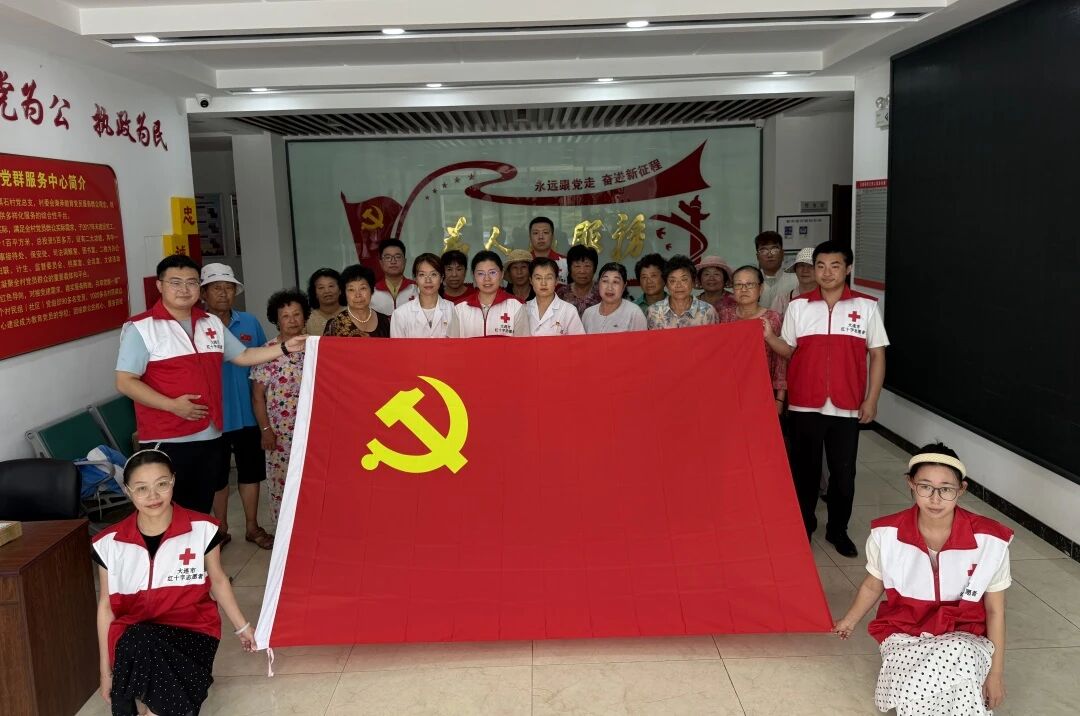
To thoroughly implement the Healthy China Strategy, give full play to the leading role of Party building in colleges and universities and their professional strengths, and bridge the “last mile” of delivering health-science popularization services to the countryside, on July 30 the Party branch of the Medical and Nursing Industry College, together with the College’s Red Cross Volunteer Service Team, went to Daheishi Village to carry out a “Life Science Popularization” educational thematic Party-Day activity. They brought professional and practical emergency first-aid knowledge to the villagers, putting into action the original aspiration and mission of medical workers through concrete deeds.
Focusing on sudden-accident scenarios that rural residents frequently encounter in daily life, the activity abandoned obscure jargon and adopted an accessible popular-science mode of “theoretical explanation + hands-on demonstration + one-on-one teaching.” It centered on the two core first-aid skills of cardiopulmonary resuscitation (CPR) and the Heimlich maneuver, conducting special briefings and training to comprehensively enhance villagers’ emergency self-rescue and mutual-aid capabilities.
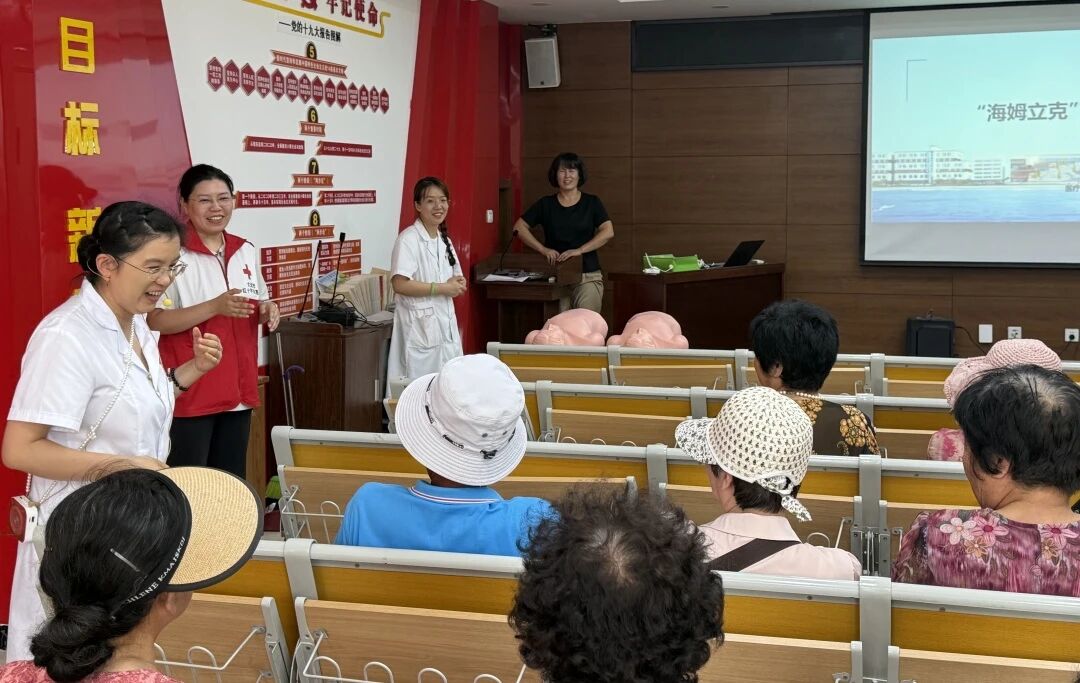
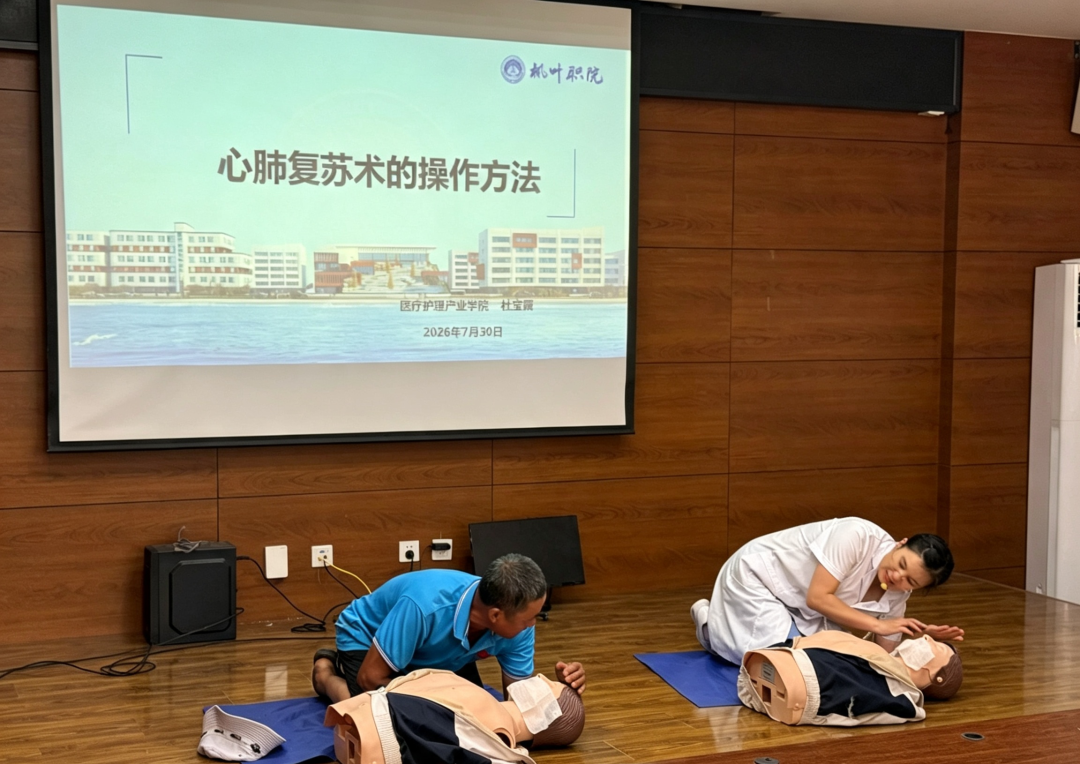
At the scene, the College’s Party-member teachers and Red Cross volunteers first used real cases to explain, in plain and accessible language, the dangers, onset characteristics, and golden rescue window of emergencies such as sudden cardiac arrest and airway foreign-body obstruction, helping villagers fully recognize the importance of mastering first-aid skills. For CPR, the volunteers used a manikin to demonstrate the complete standard procedure—assessing consciousness, calling for help, chest compressions, and rescue breaths—and carefully explained key details such as compression position, rate, and depth, correcting common everyday first-aid misconceptions.
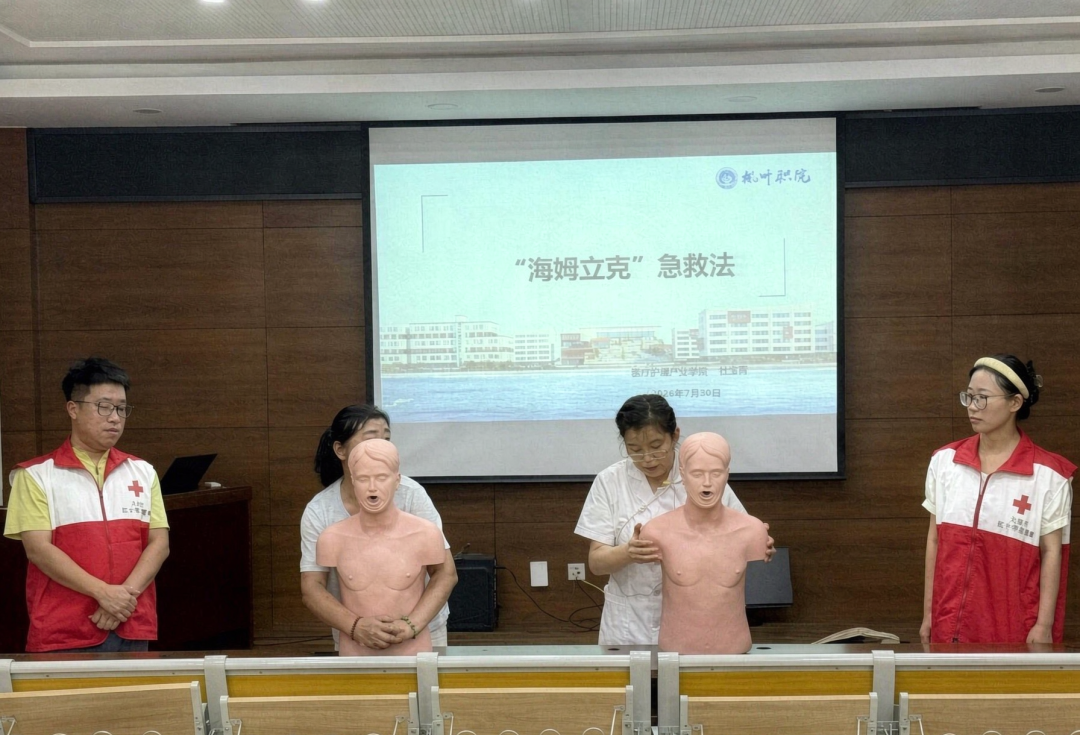
Addressing the airway foreign-body obstruction problems common among the elderly and children, the volunteers separately demonstrated the Heimlich maneuver for adults and for children, clearly showing core moves such as abdominal thrusts and back blows, and breaking down the steps so villagers could quickly understand and proficiently master them.
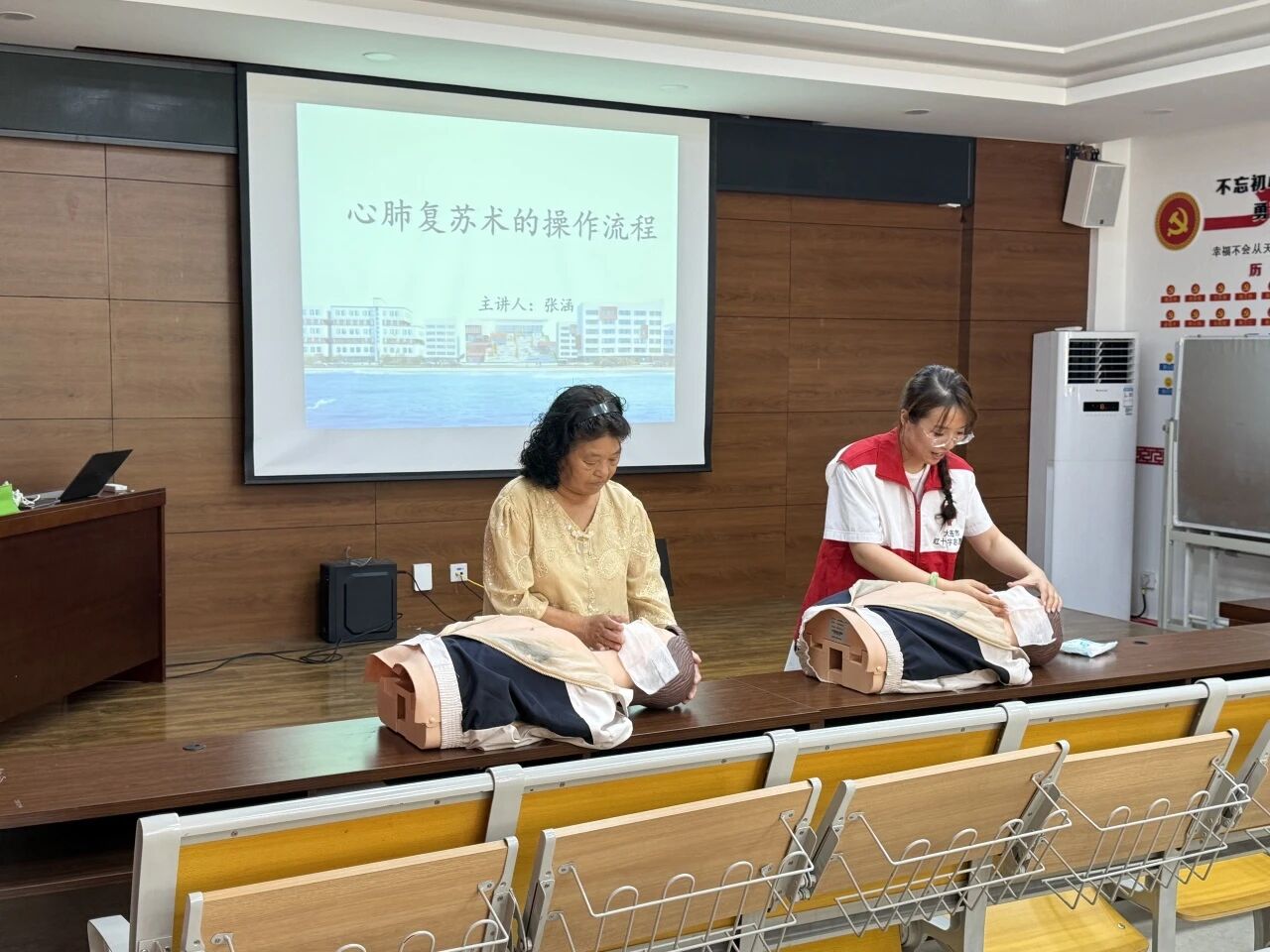
After the briefing and demonstration, a hands-on practice session was set up on site. Villagers actively participated and tried it themselves; under one-on-one guidance from Party-member faculty and volunteers, they personally experienced CPR compression and the Heimlich maneuver technique. The Party members patiently corrected mistakes and gave meticulous guidance throughout, ensuring every participating villager could master the standard, normative first-aid procedures and truly “understand, learn, be able to use, and know how to apply” them. The lively learning atmosphere on site earned unanimous praise from the villagers.
This “Life Science Popularization” thematic Party-Day activity deeply integrated Party building with social service and professional science popularization. It is both a vivid practice of the College’s efforts to deepen Party-building-based education and practice-based education, and an important measure to leverage professional strengths in serving rural health development. Through down-to-earth, zero-distance first-aid popularization, it effectively addressed the gap in rural emergency first-aid knowledge, and tangibly enhanced grassroots residents’ emergency-avoidance and self-rescue and mutual-aid capabilities.
Next, the Medical and Nursing Industry College will continue to be guided by Party building, build on the characteristics of its medical and nursing programs, and regularly carry out volunteer service activities such as health popularization, public-interest free clinics, and emergency rescue training. It will keep deepening university–locality co-construction and science-popularization-for-the-people work, empower rural health development with professional strength, and demonstrate the social responsibility and commitment of a higher-education institution through concrete actions.