To deeply explore new models of industry-education integration, learn from the frontier experience of artificial intelligence industry development and application, and promote cross-regional industry-education collaboration, on July 28 a delegation comprising Yang Ping, Chairwoman of the Board of the College; Yang Jie, President; Gao Chenglin, Executive Vice President; Ai Lis, Vice President; Xue Fei, Director of the Publicity Department; and Gao Hongyin, Dean of the Innovation and Entrepreneurship College, went to Zhangjiang Science City (Shanghai) for research and inspection. Professor Zhang Aiping from the Pudong New Area Science, Technology and Economy Commission and the relevant Zhangjiang Group team warmly received the College leadership and held a Zhangjiang Science City–College industry matchmaking exchange meeting.
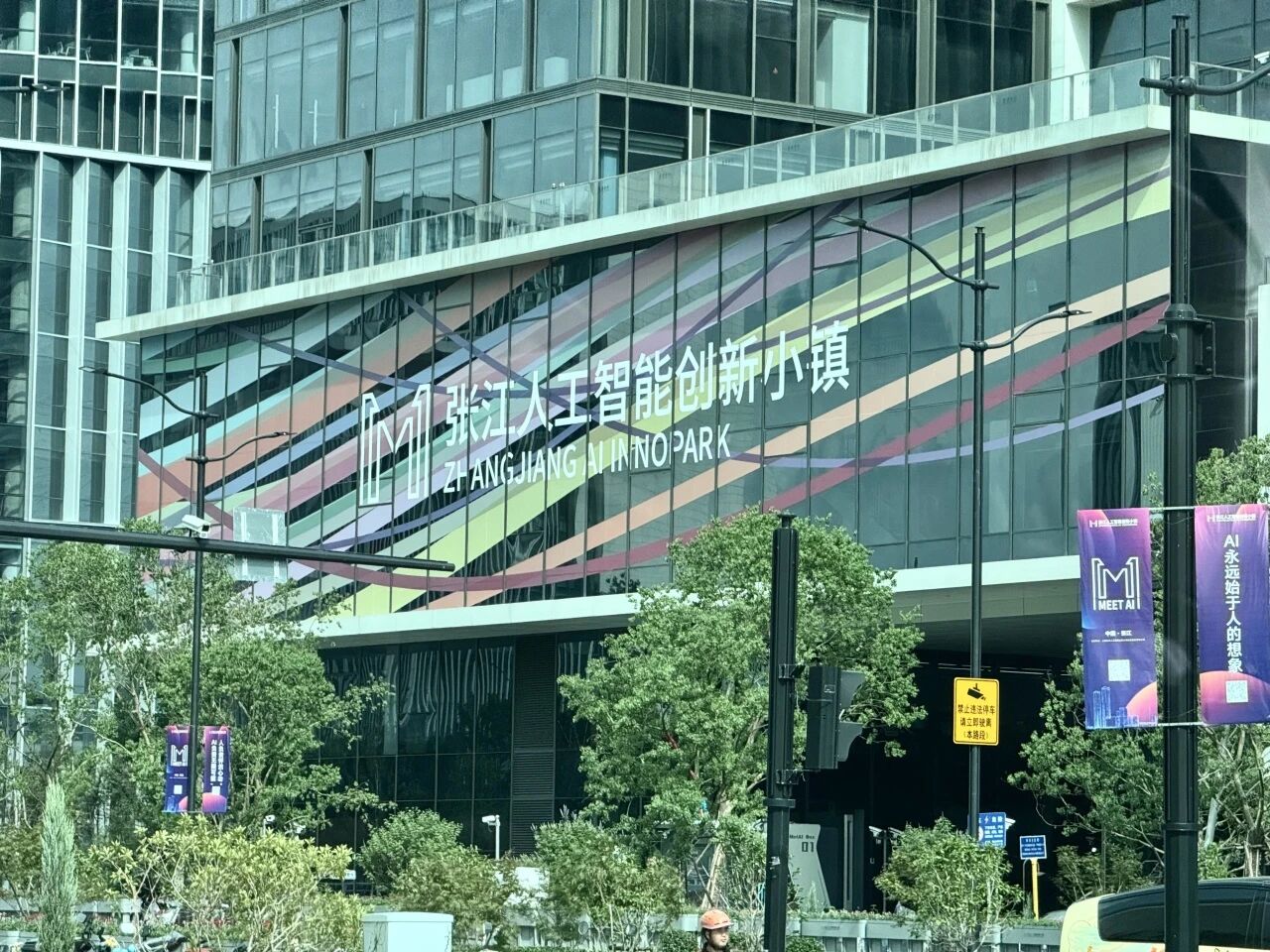
At the exchange meeting, the Zhangjiang Group side gave a detailed introduction to the development history and industrial layout of Zhangjiang Science City. Starting in 1992 and having gone through multiple expansions, Zhangjiang Science City has now grown into a comprehensive science city covering 220 square kilometers, forming three dominant industry clusters—integrated circuits, biomedicine, and artificial intelligence—and gathering 24,000 related enterprises. It is the nation’s first artificial intelligence innovation application pilot zone and has built a “3+3+X” high-level industrial system. The College side introduced its scale of operation, program layout, and new-campus construction, and the two sides held in-depth discussions on directions such as jointly building vocational education and industry colleges, implementing the deployment of scientific and technological achievements, and collaboratively cultivating youth entrepreneurship, reaching a preliminary cooperation intention.
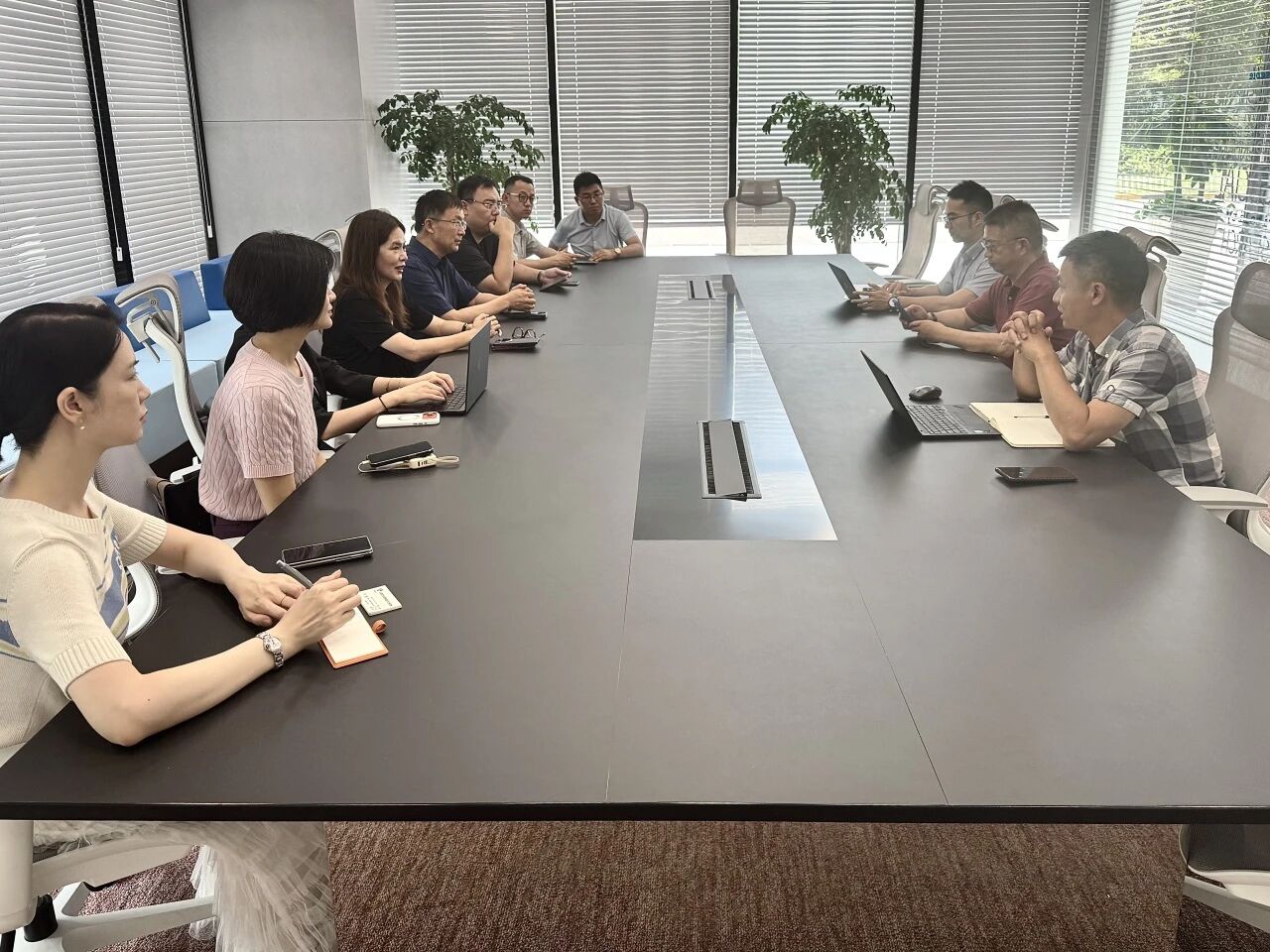
The two sides agreed that Dalian and Shanghai, as “paired cooperation cities” at the national level, have an institutional benchmarking foundation and complementary industrial advantages between Jinpu New Area and Pudong New Area. Shanghai’s Zhangjiang is strong in front-end R&D and innovation origination, while Dalian’s Jinpu New Area is strong in mid-to-back-end manufacturing and human-resource supply. The two sides can carry out practical cooperation in fields such as AI applications, the robotics industry, and data labeling, and gradually build a cross-regional innovation collaboration chain of “Shanghai R&D – Dalian Application.”
After the exchange, the College leadership went to an AI application store for on-site research, learning its operational logic and product structure. Unlike traditional offline 3C digital stores, the AI application store is positioned as a comprehensive AI ecosystem center integrating AI product experience, retail and rental, science-and-technology innovation incubation, and industry social networking. The store is divided into six functional zones—a “Good Stuff” space, a robot interaction experience area, a maker zone, a Hengli showcase, a smart-sensing experience area, and an AI health space—where users can see, touch, play, buy, and rent; AI is no longer an unreachable text-and-image introduction on a screen, but a tangible, real presence within reach.
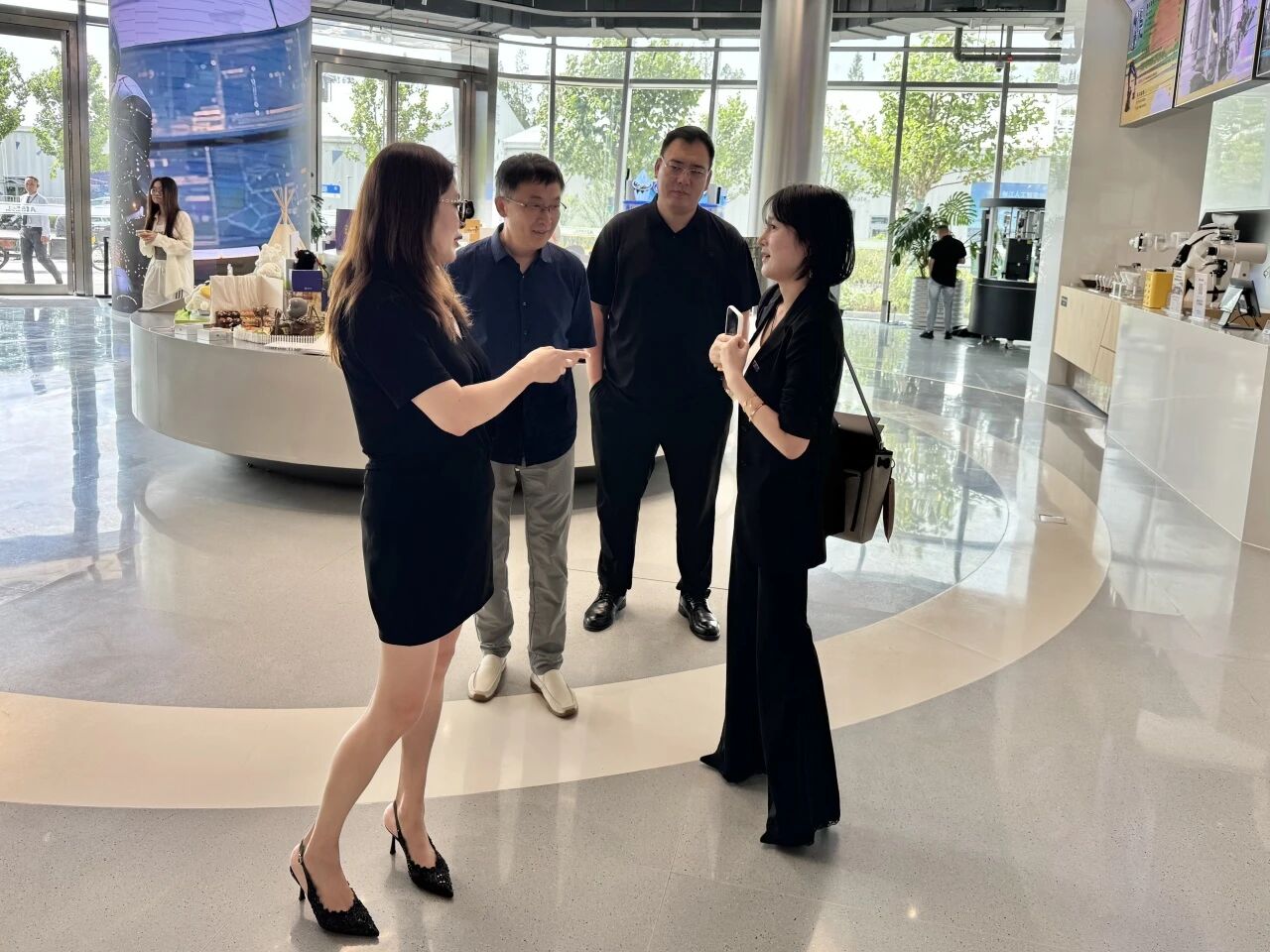
This research trip to Zhangjiang Science City is a pragmatic move by the College to proactively align with the national science and technology innovation strategy and expand the dimensions of industry-education integration. Through on-site investigation and in-depth exchanges, the College further clarified the development direction and cooperation space of vocational education in the AI era. In the future, the College will take this as an opportunity to continuously deepen its matchmaking and cooperation with Zhangjiang Science City, transform frontier industry resources into education and teaching resources, and explore a new cross-regional model of industry-education integration featuring “Shanghai as the R&D and origination source – Dalian as the deployment and application site,” injecting lasting impetus into cultivating high-quality technical and skilled talent suited to the needs of the digital-intelligent era and serving the high-quality development of the regional economy.