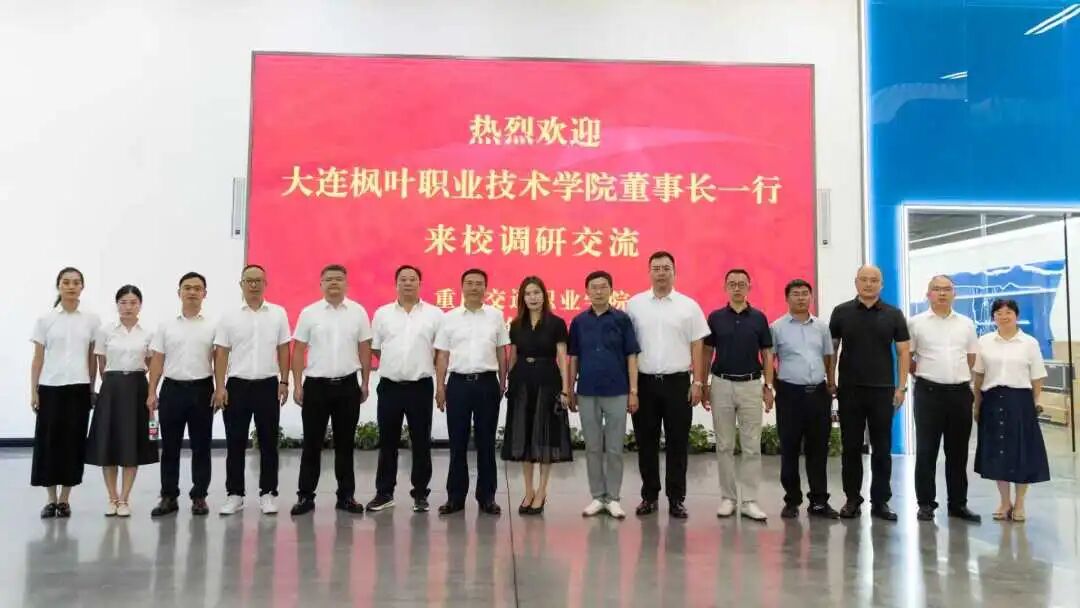
On August 14, to deepen industry-education integration and learn from the schooling experience of peer institutions, a delegation from our college — comprising Yang Ping (Chairperson), Yang Jie (Deputy Party Secretary and President), Gao Chenglin (Executive Vice President), Alex (Vice President), Gao Hongyin (Dean of the Innovation and Entrepreneurship School), and Xue Fei (Minister of Brand Development) —
— went to Chongqing Vocational College of Transportation for work research. Zhang Wenli (Chairperson of Chongqing Vocational College of Transportation), Zhang Yi (President Assistant), Chen Xiaolang (Chairperson Assistant and Director of the National Machinery Industry (Southwest) Industry-Education Integration Innovation Center), along with other school leaders and heads of relevant departments, warmly received the delegation and accompanied the research. The two sides held in-depth exchanges on the implementation pathways of industry-education integration, digital teaching-material resource development, and industry-college operation.
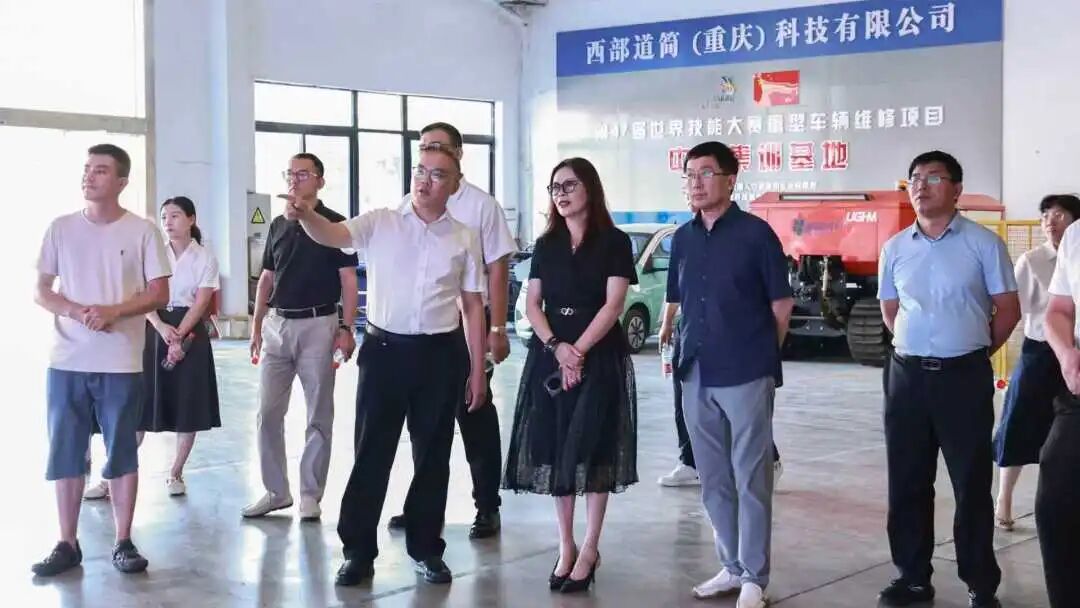
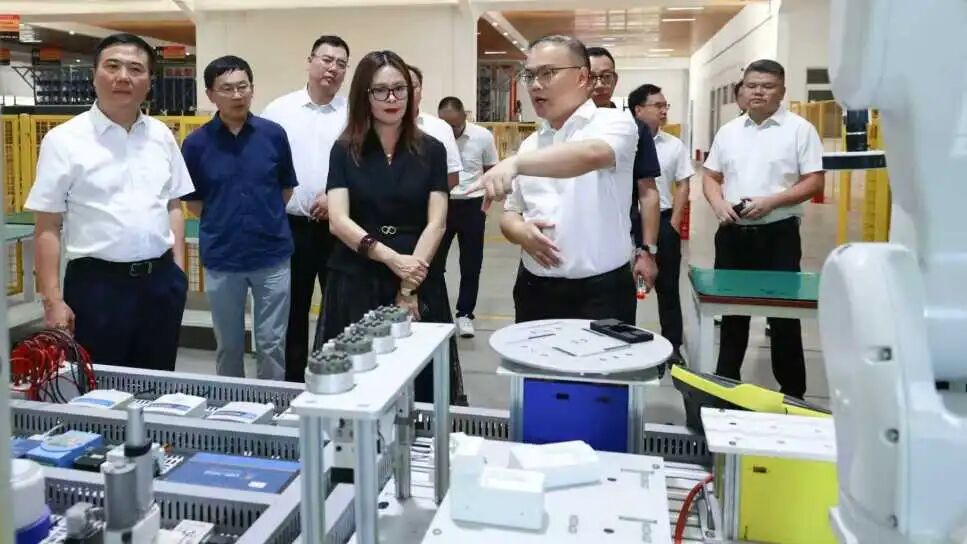
On-Site Tour: Bringing Real Production Lines onto Campus to See 'True Integration'
Following the tour route through the industry-education integration enterprise park, the research team visited multiple school-run enterprises and teaching-training venues, covering segments such as intelligent manufacturing, automotive engineering, rail transit, surveying and mapping, smart construction, low-altitude technology, and a holographic space-time interactive teaching platform. During the visit, our college leaders from time to time paused to learn in detail about the construction logic and operating mechanisms of each training platform, expressed full recognition of Chongqing Vocational College of Transportation's industry-education integration implementation model of bringing real production lines onto campus and using school-run enterprises to give back to teaching, and focused on understanding the application of interactive-teaching digital resources and intelligent equipment such as drones.
Symposium Exchange: Sharing Industry-Education Integration Practice Experience
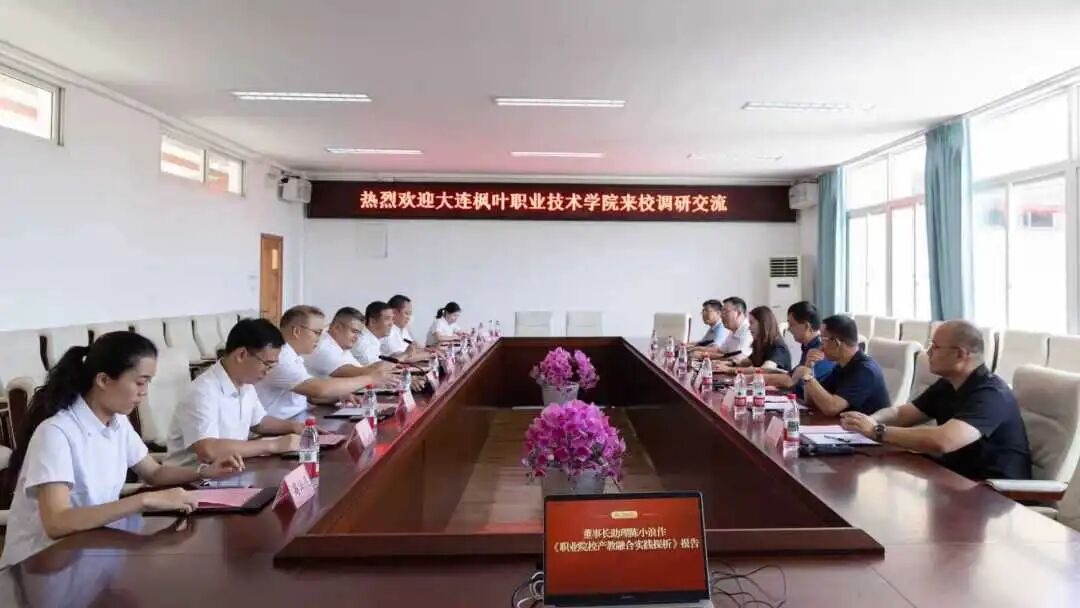
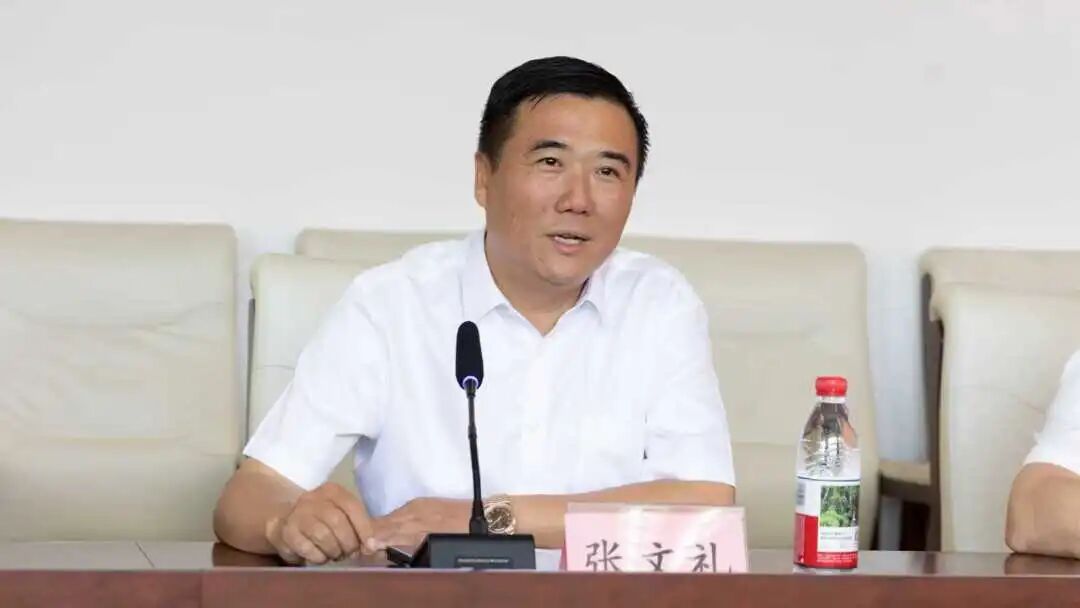
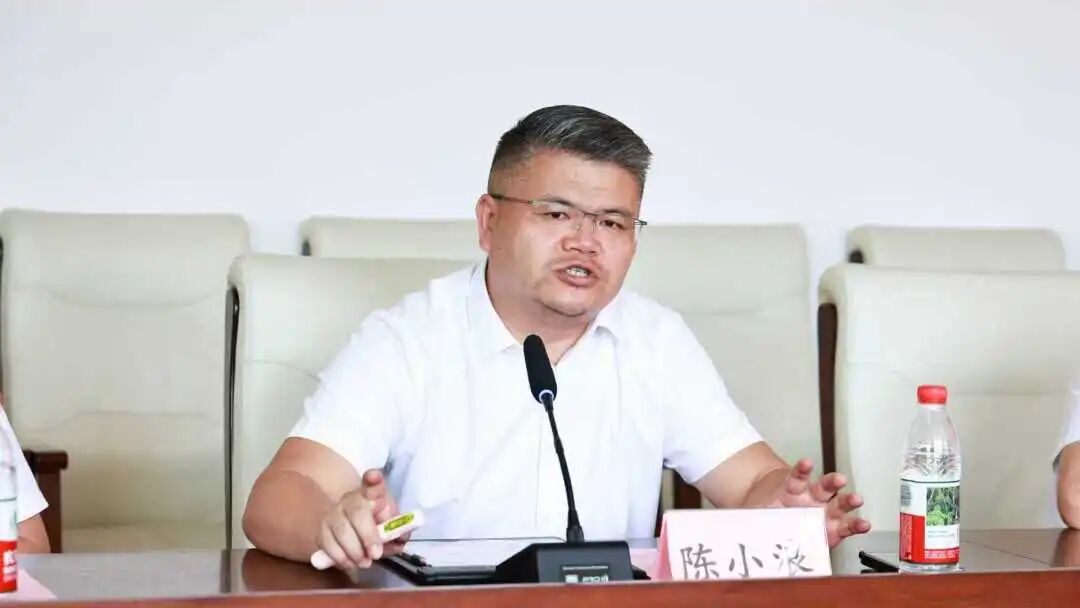
The symposium was chaired by Cheng Peng, Dean of the School of Intelligent Manufacturing and Automotive. Zhang Wenli, Chairperson of Chongqing Vocational College of Transportation, delivered a welcome address and introduced the overall approach of running vocational education based on industrial logic. Chairperson Assistant Chen Xiaolang presented a report titled 'An Inquiry into Industry-Education Integration Practice in Vocational Colleges,' systematically sharing a decade of exploration in industry-education integration. He proposed that colleges must strengthen a 'client-first mindset' and drive the transformation of teachers into 'triple-role' professionals combining the abilities of engineer and product manager, and, aligning with the Ministry of Education's directions of 'Future Teachers, Future Classrooms, Future Schools, Future Learning Centers,' called for inter-collegiate collaboration to advance educational digital transformation. The two sides also exchanged views on achievements such as digital teaching-material resource development and interactive teaching platforms.
Voices of Commitment: Bringing the Experience Back for Implementation
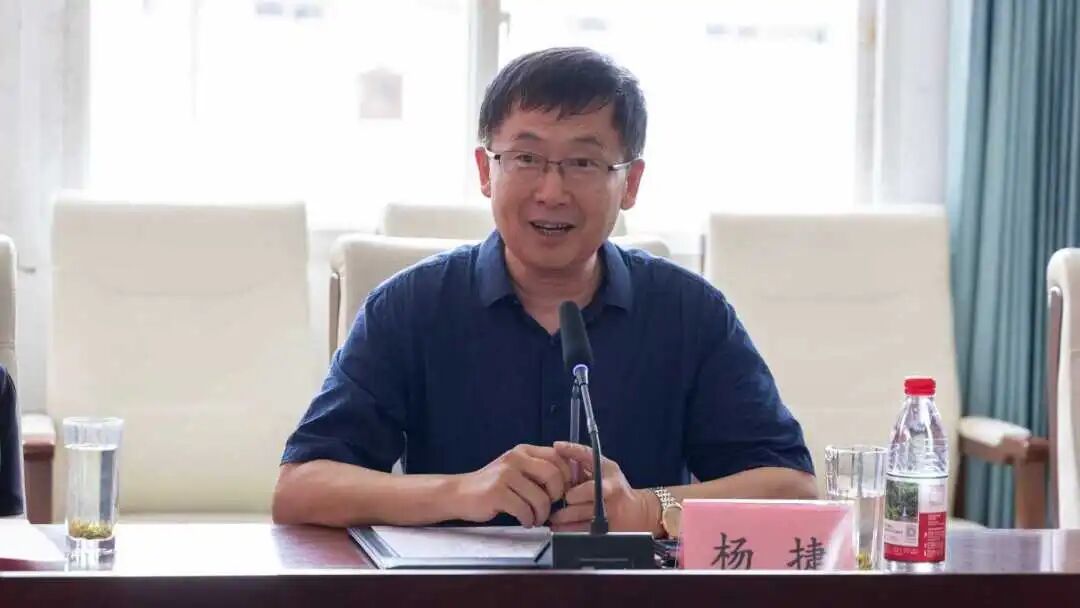
In his remarks, President Yang Jie stated that the practice of Chongqing Vocational College of Transportation in 'running education from the enterprise's perspective' was deeply inspiring and truly embodies what vocational education ought to be. Our college will earnestly draw on its schooling philosophy and industry-college construction pathways, embedding enterprise needs more deeply into talent-training programs.
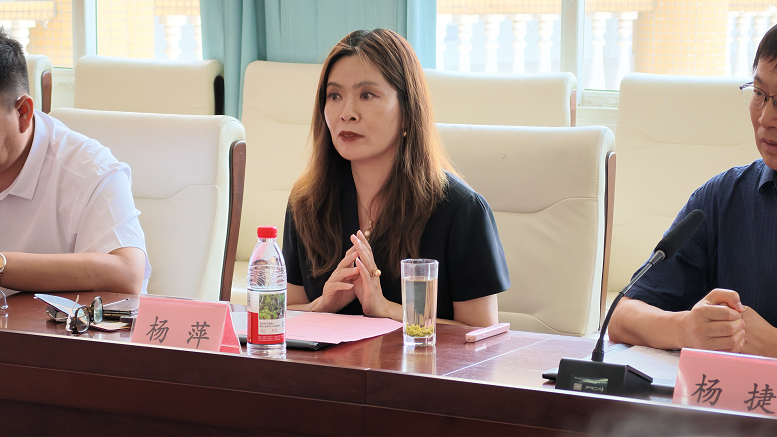
In her remarks, Chairperson Yang Ping of our college candidly noted that vocational colleges generally face challenges brought by changes in student-source structure, and must proactively 'dig new channels and cultivate new ponds,' stepping out of the comfort zone. Chairperson Yang Ping stated that our college will drive the transformation of industry-education integration from 'material integration' toward 'order-based' and 'product closed-loop' models, striving to let educational achievements circulate in society; she hopes to draw on Chongqing's experience to deeply tie specialties such as drones and robot maintenance to the regional economy in Liaoning, introduce products independently developed in Chongqing into Liaoning to serve the local economy, and plan the second-phase training-carrier construction of the college around directions such as 'factory-scale classrooms, equipment, and teaching materials,' and upon returning will fully translate the learned experience into concrete implementation measures.
Mutual Learning: Jointly Exploring New Paths for Cross-Regional Collaborative Education
This research trip built a bridge of mutual learning between the two colleges. Both sides agreed that the deep logic of industry-education integration lies in using industry demand to drive talent cultivation and using real output value to test integration effectiveness. In the future, the two colleges will further deepen exchanges across multiple fields and explore new paths for the high-quality development of cross-regional collaborative vocational education.