
At the Maple Leaf campus in September, alongside the orderly formations on the parade ground there rose wave upon wave of laughter. This year's military training did something a little different: we subtracted from the drills and added to the activities. The instructors remained strict, but the moment the rest whistle blew, the whole campus instantly switched into 'happy mode.'
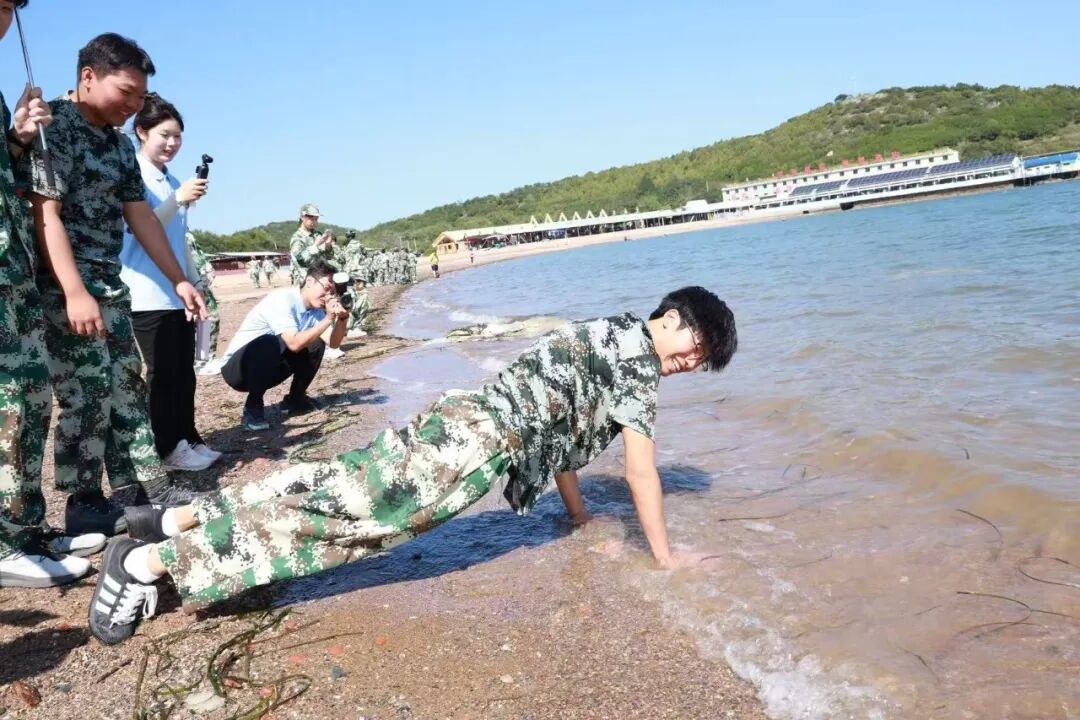
The Medical Care Industry College kicked off a synchronized Bunny Dance with several hundred participants—a spectacle that was nothing short of stunning, with people stepping on each other's feet and doubling over with laughter, their mirth louder than the music. After a few rounds, any sense of strangeness or homesickness was thrown far out of sight. Even more distinctive was the coastal hiking training march. With the sea breeze as background music and the lapping waves keeping the beat, the columns marched on, singing all the way. Upon reaching the shore, the scene changed completely: students met the little creatures by the sea, picked up pebbles to compete at stone-skipping, wrestled and played, and snapped photos to mark the moment—laughter mingling with the sound of the waves, harmonious and warm.
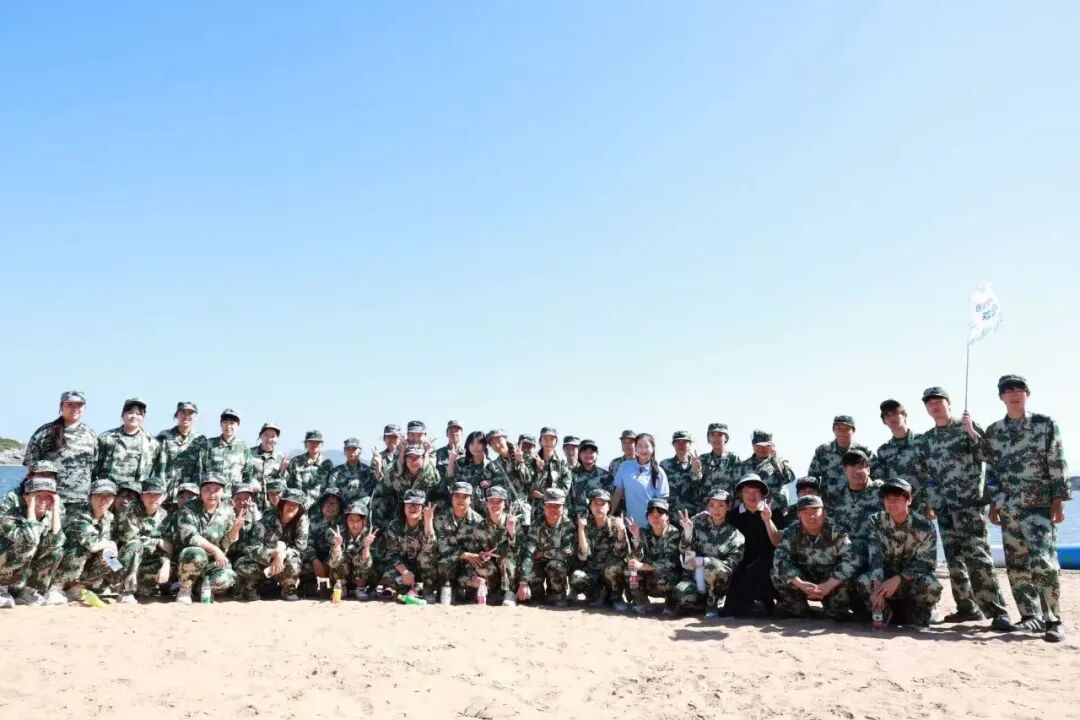
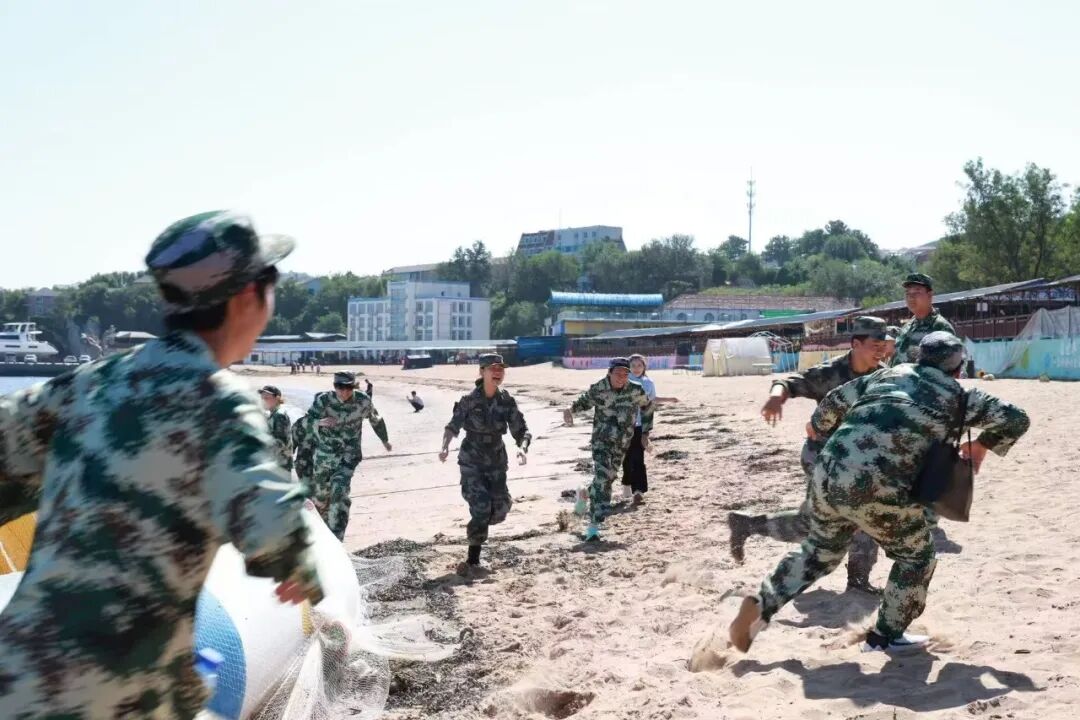
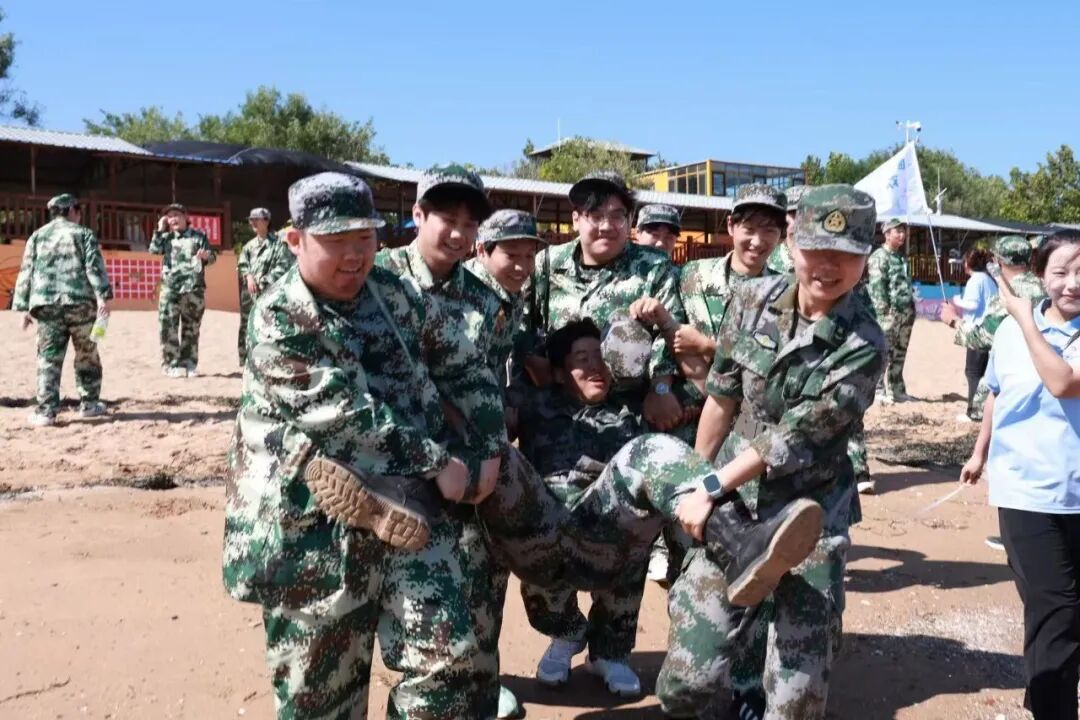
The Smart City Service Industry College staged its own special team-building session, 'Maple Fun Together · Cohesion Time.' The time-limited encores of 'Peach Blossoms Bloom' and 'Pass the Hula Hoop' returned by popular demand. 'Draw and Guess' produced classic scenes that left the instructors on the sidelines grinning from ear to ear. And 'Werewolf' launched an all-out battle of acting skills.
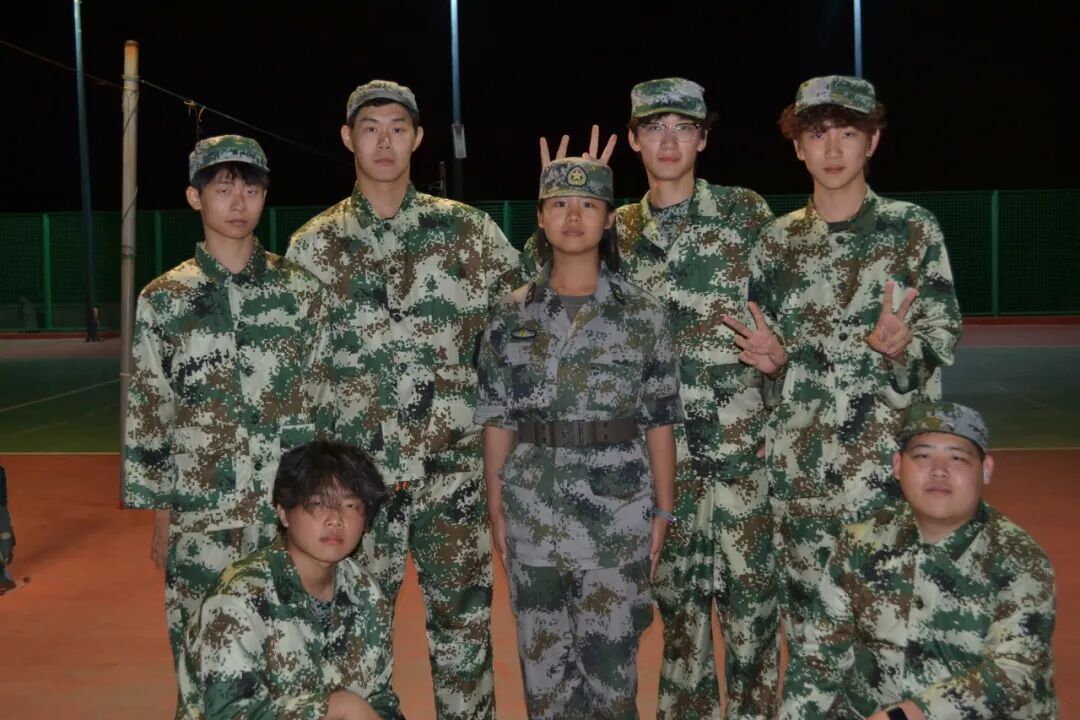
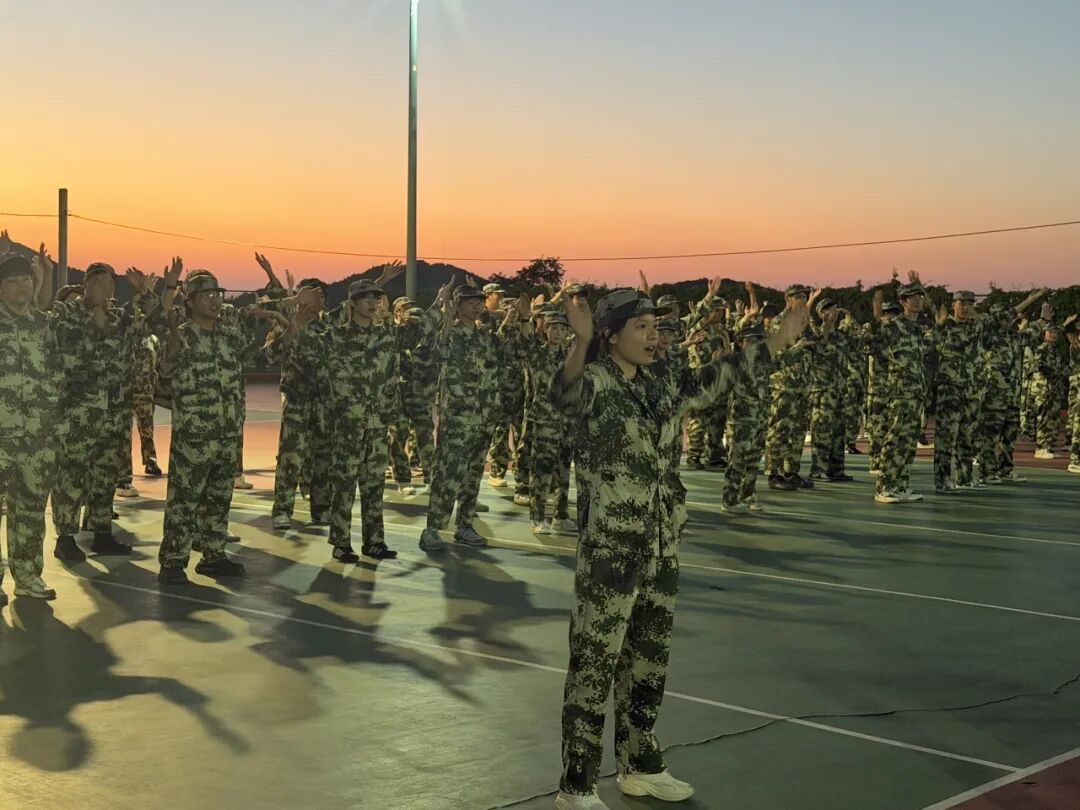
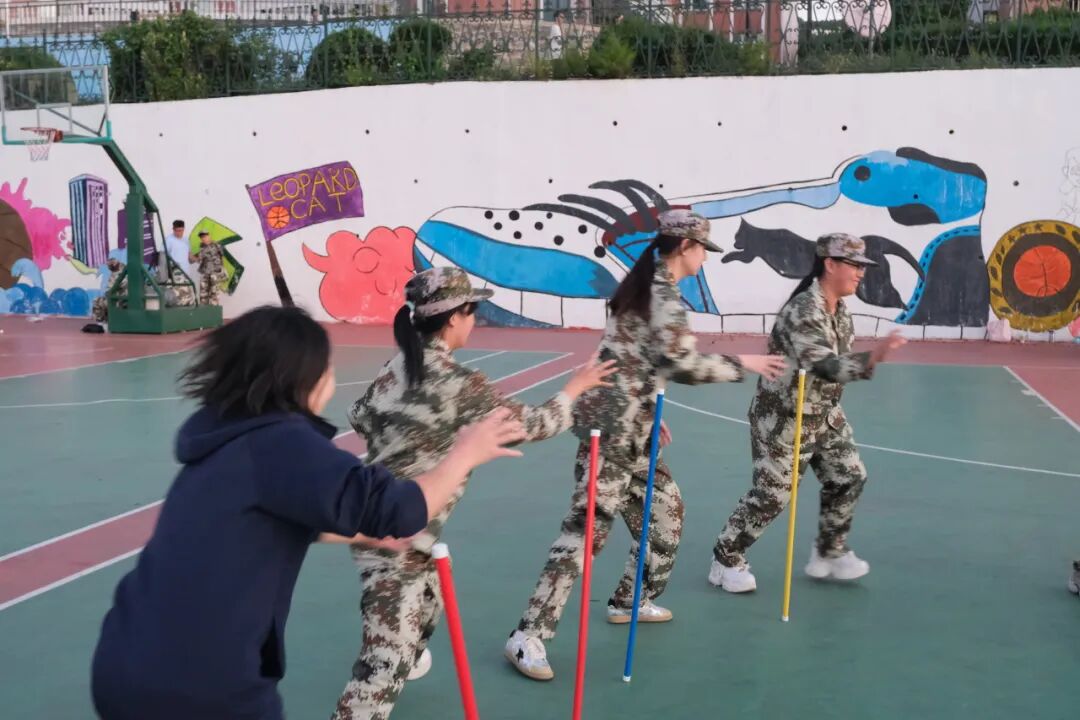
The Smart City Service Industry College then followed up with its 'Maple Camo Shine · Arts Gather Youth' recreation event. Counselors and assistant counselors joined all the students in the fun—singing and celebrating together, with teachers leading the songs and students roaring along, pushing the decibel level of the training ground to its limit.
Compared with the Daheishi Campus, the Qidingshan Campus offered us more of 'poetry and distant horizons.'
When the career-planning seminar ended, everyone held an extra sheet of paper in their hands. Some wrote slowly, torn between hesitation and doubt. Others wrote quickly, their eyes steady and resolute; and there were those who first folded the paper into an airplane to test-fly it, only then remembering they hadn't written anything yet.
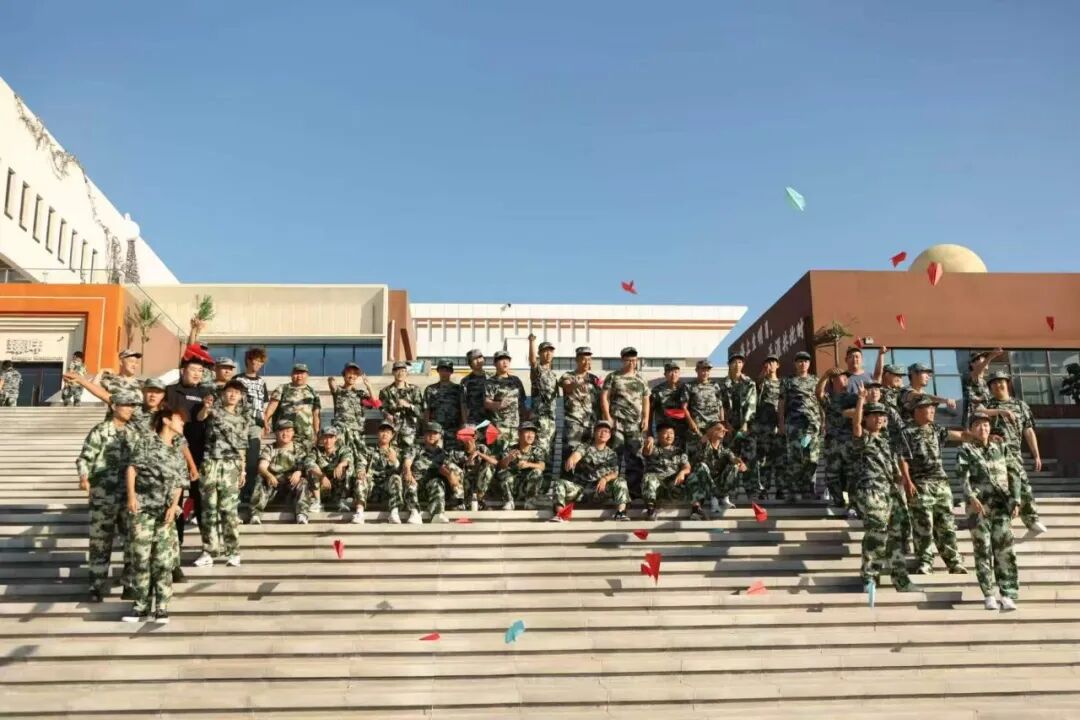
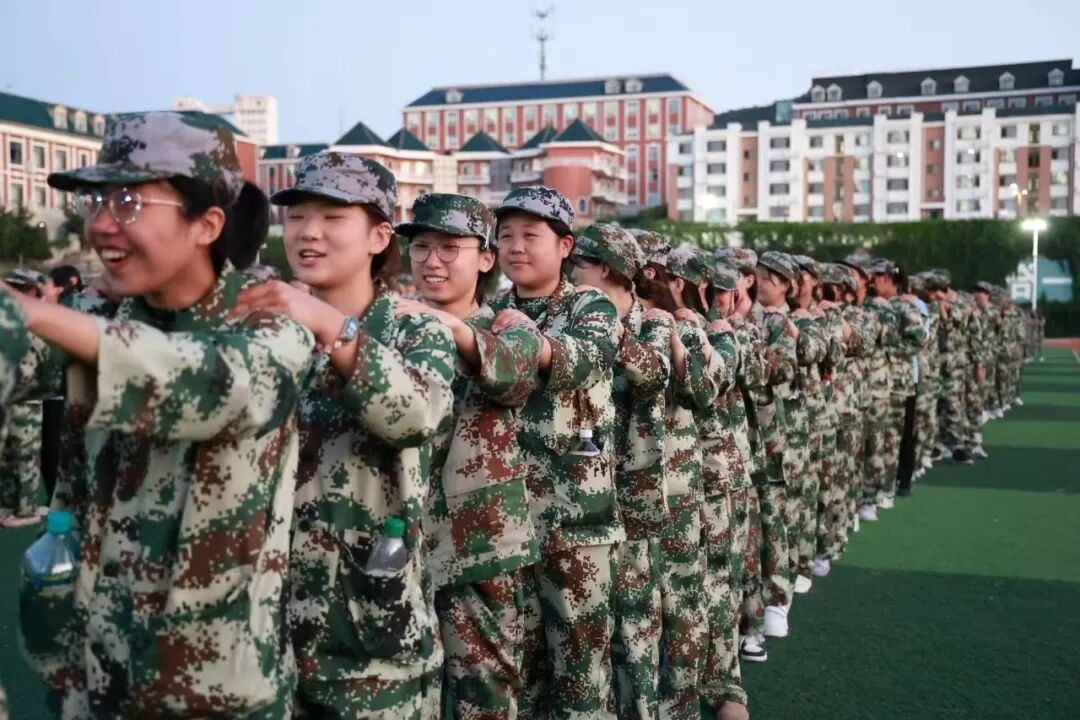
Later, those paper airplanes were launched all at once from the grand staircase, flying off in different directions and landing in different places. A few hours afterward, on the school's parade ground, students from across the college gathered close together, shoulder to shoulder, forming a great circle. From scattered rays to a closed circle—this was the shortest military-training lesson of those few days.
The hardest part of adolescence is not standing at attention, but facing 'social anxiety.' Fear not—in 'A Meeting of Eyes' you will bravely extend a hand of greeting. And in 'Huddle for Warmth' it is even more direct: the moment a number is called, you must decide within two seconds who belongs to 'our group,' and before you know it, your arms are already linked. 'Drop the Handkerchief,' 'One, Two, Three, Wooden Man,' 'Visit the Three Gardens,' and 'Bunny Hop' whisked us right back to childhood in an instant. Amid the nostalgic laughter, we also dreamed of the future.
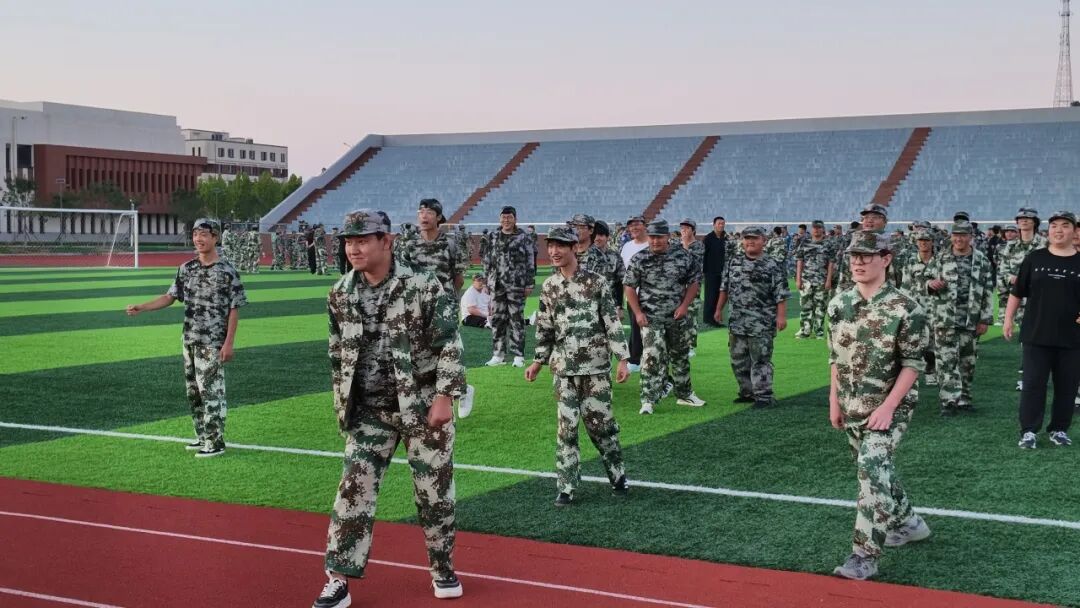
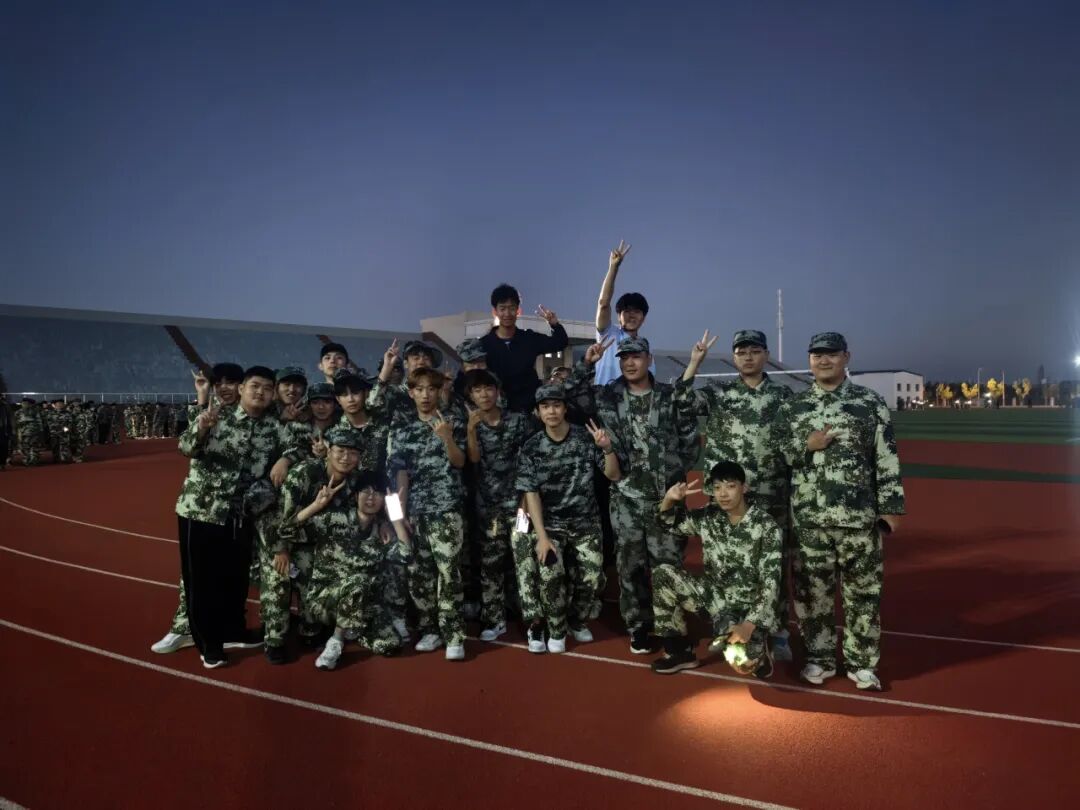
Another paper airplane landed on the lawn. The answers on that sheet must have been wonderfully varied: some wanted to pursue a junior-college-to-undergraduate advancement, some wanted to open a small shop, some simply wished to graduate smoothly, and others may have written nothing more than 'I just want to spare my parents some worry.' Like those paper airplanes, their directions, heights, and landing spots were all different.
Yet the act of throwing them happened in the very same second, and they stood on the very same step.
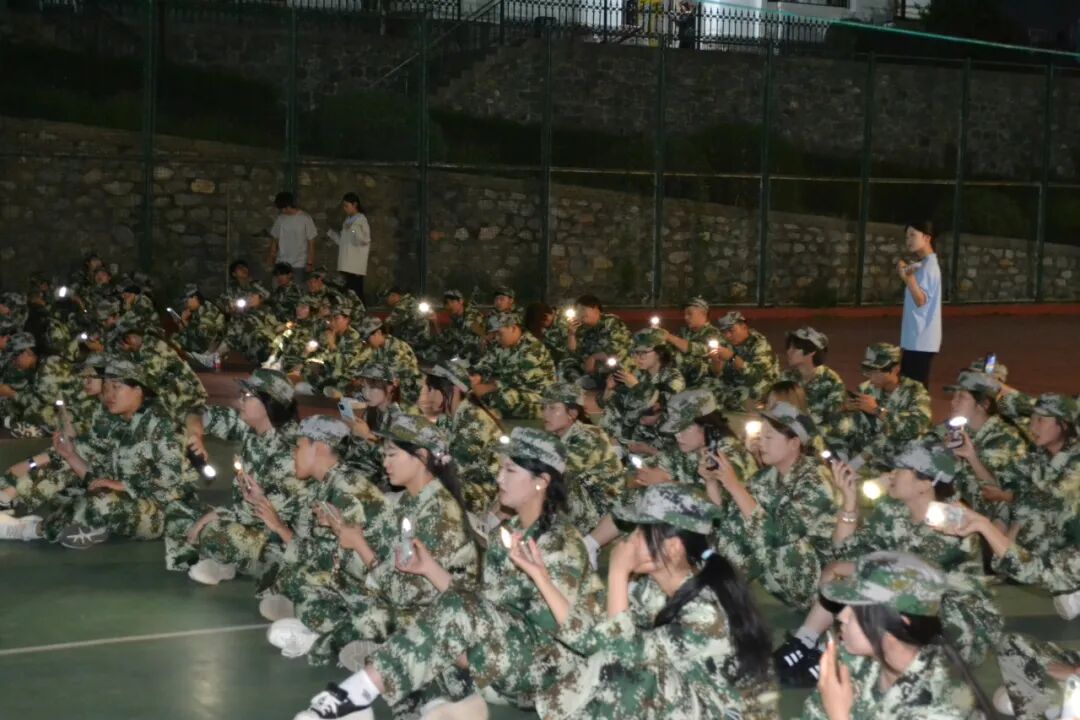
At night, people formed a great circle on the parade ground. A circle has no beginning and no end; everyone standing on it is the center, and also the neighbor of the person beside them. You cannot tell who is in front and who is behind, because everyone is within sight of everyone else.
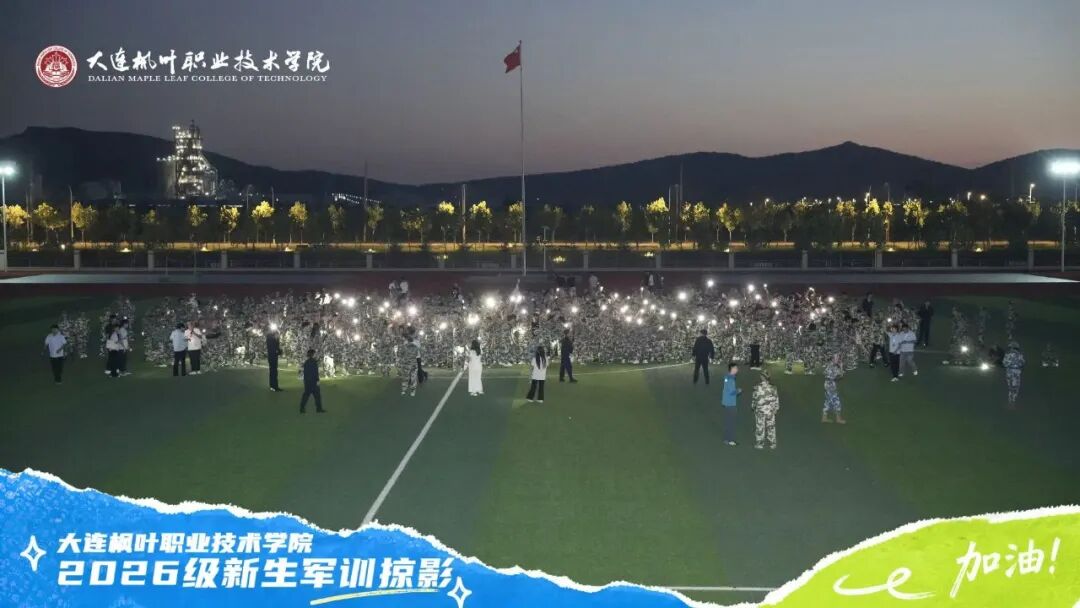
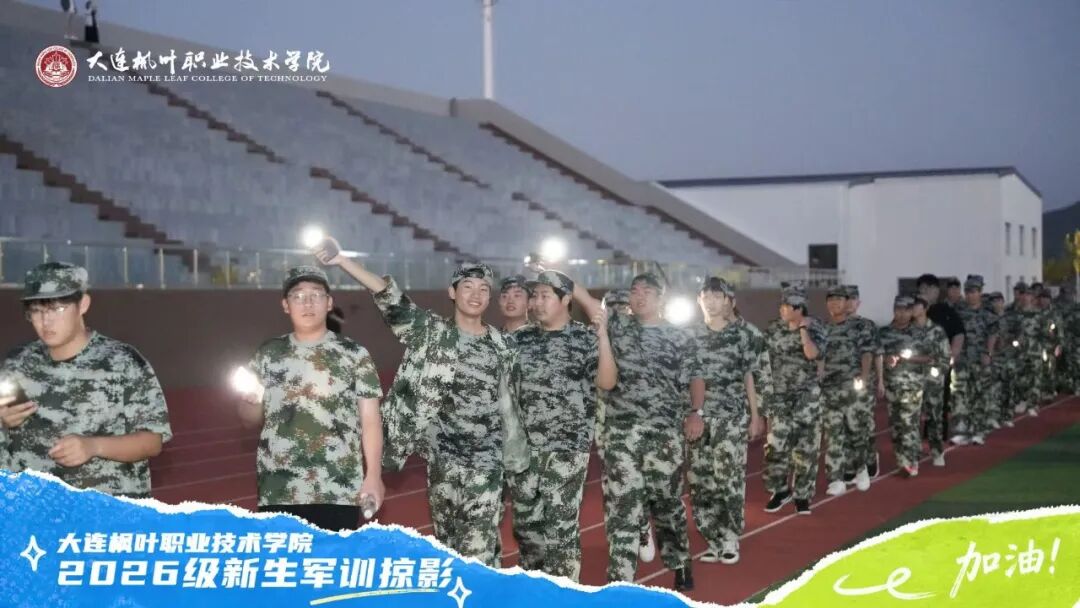
Military training will end; there will come a day when the parade ground no longer echoes with commands, and the formations break into twos and threes heading for the classrooms. The columns will disperse, and the circle will disperse too—yet the circle we have come to know each other by has drawn ever tighter. Perhaps that is what military training truly means to teach: not to mold everyone into the same shape, but to let a group of people who were originally different be willing to stand on the same circle, fly off in their own directions, and yet be willing, at night, to sit back down together in that same circle.