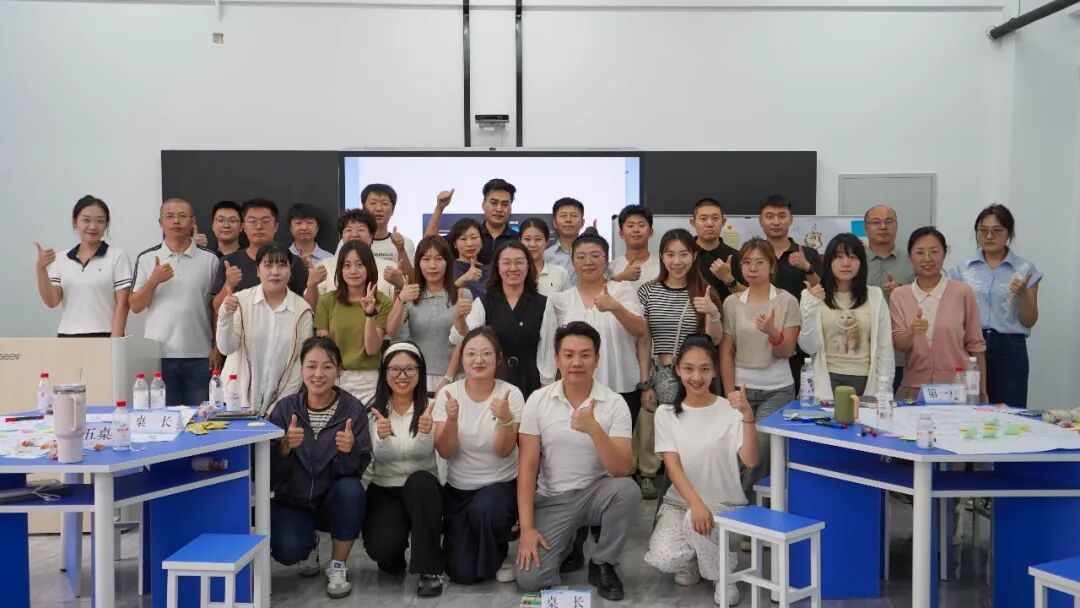
To implement the requirements of industry-education integration curriculum reform and address the difficulties in putting training results into practice and the problem of "one person trained, the whole faculty unaffected," the Academic Affairs Department of our school organized a themed training sharing salon on "Reflection and Practice of Industry-Education Integration Curriculum Reform—Turning What Is Learned in Training into What Changes in the Classroom." Thirty teachers participated in this co-creation and discussion activity.
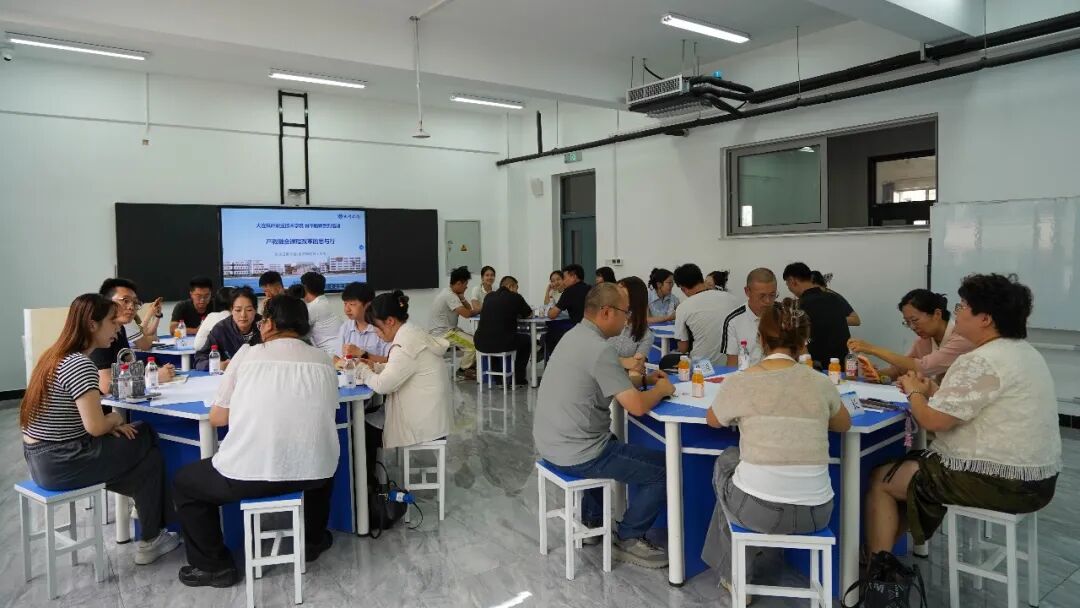
This salon innovated the traditional teaching-research model by adopting an immersive discussion format of "training-results transfer + World Café workshop." The sessions progressed step by step, the content was closely aligned with teaching realities, and the entire process was teacher-centered and implementation-focused, building an immersive, interactive, and co-creative teaching-research scenario.
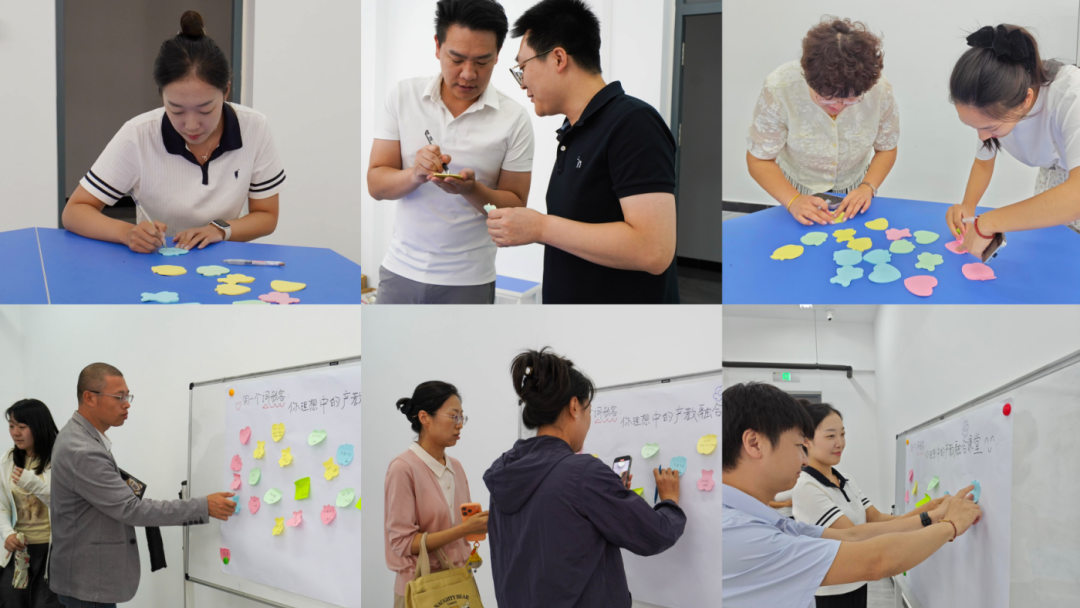
At the beginning of the event, an interactive sign-in session was creatively launched. Participating teachers received colored sticky notes, wrote down key words about their "ideal industry-education integrated classroom," and pasted them on the interactive sign-in wall. Each sticky note gathered into new ideas and visions for teaching reform, setting a practical and innovative tone for the entire discussion.
During the results-sharing session, Liu Yangwei, Director of the Academic Affairs Department, combined the classroom keywords written by all teachers and delivered a keynote sharing on the direction, core essence, and practical path of the school's industry-education integration curriculum reform. He precisely interpreted the key points of the curriculum reform, sorted out the core direction of the current stage of teaching reform, and clarified the theme and anchored the goals for the follow-up discussions.
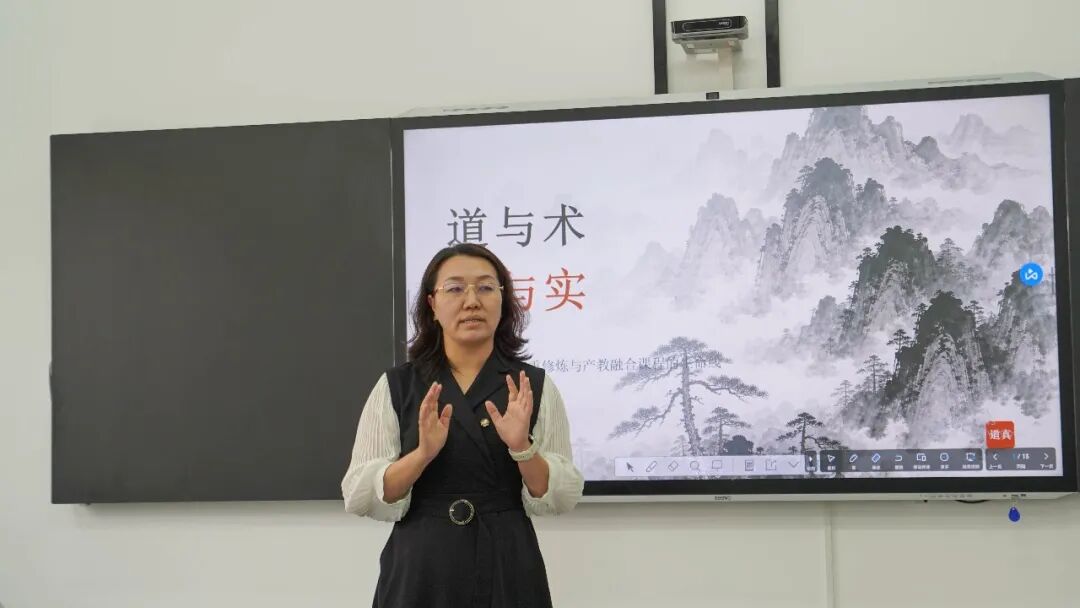
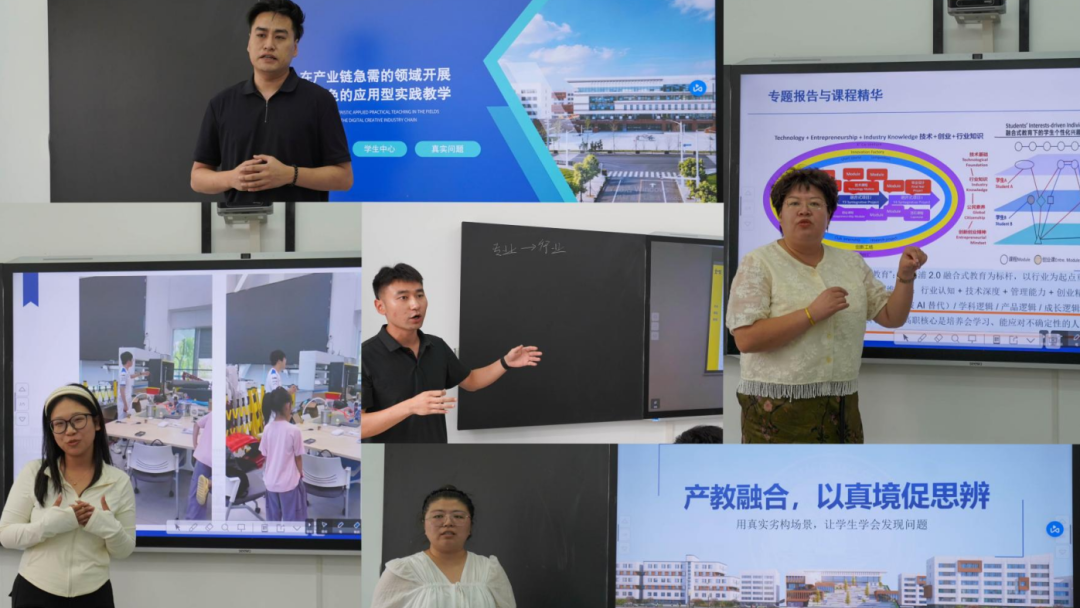
Subsequently, five teachers who had returned from training at Xi'an Jiaotong-Liverpool University served as table hosts. They gave micro-sharings on their training insights, practical methods, and reflective questions, providing fresh references for the whole discussion.
At the core discussion stage, the activity relied on the World Café's three-round progressive discussion model. Teachers used round tables as the medium to exchange views around scanning the current classroom situation, analyzing reform resistance, and designing implementation actions. Group members rotated and flowed, while table hosts stayed to consolidate viewpoints. Everyone, combining their own teaching practice, faced the real dilemmas in curriculum reform, focused on small entry points, and discussed implementable teaching improvement measures. This fully mobilized the initiative and enthusiasm of all members in participating in teaching research.
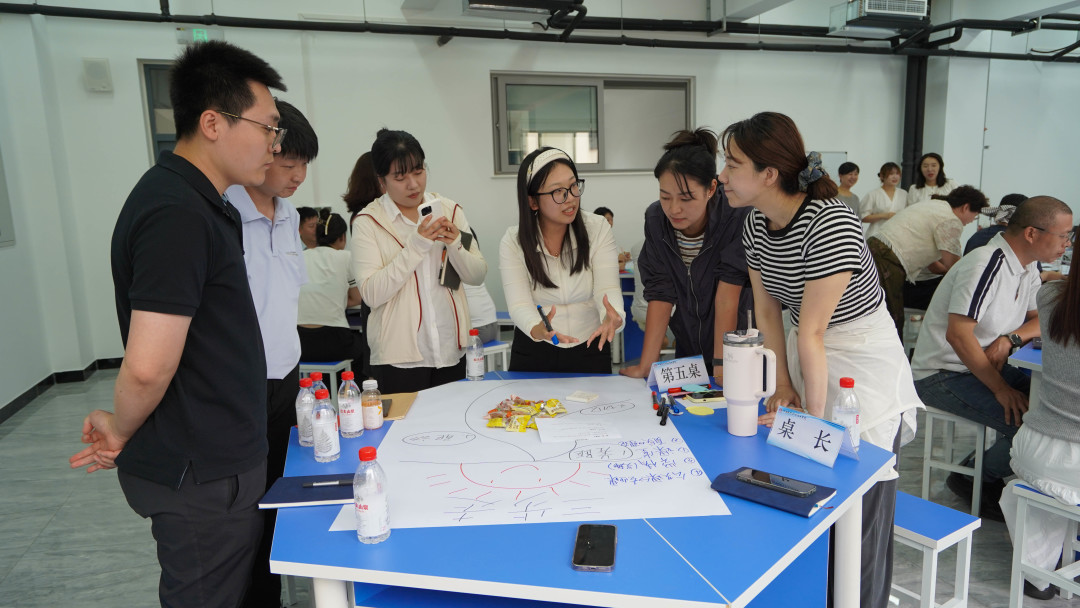
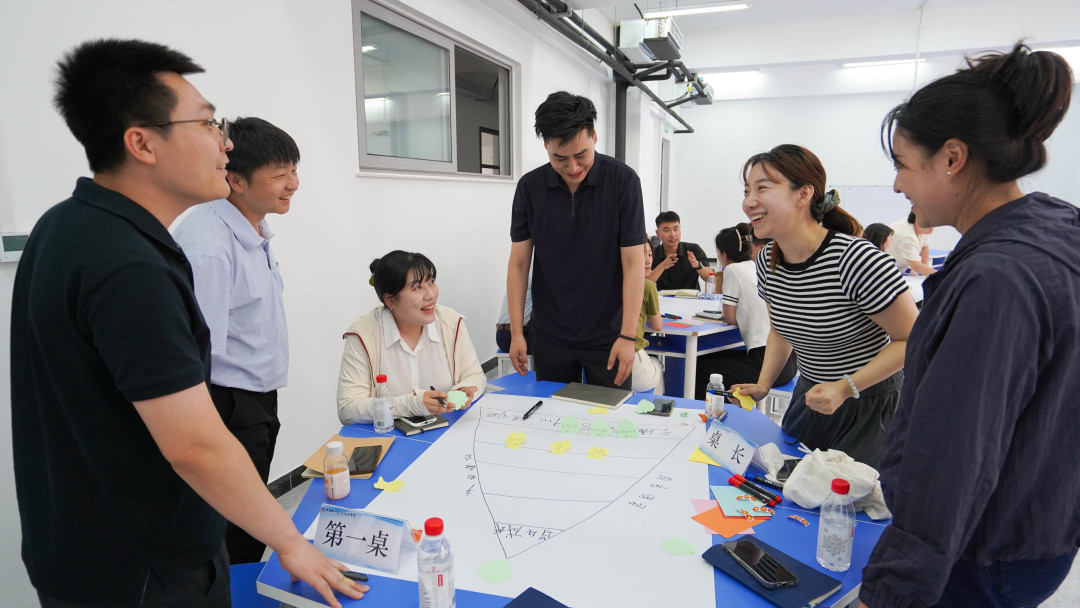
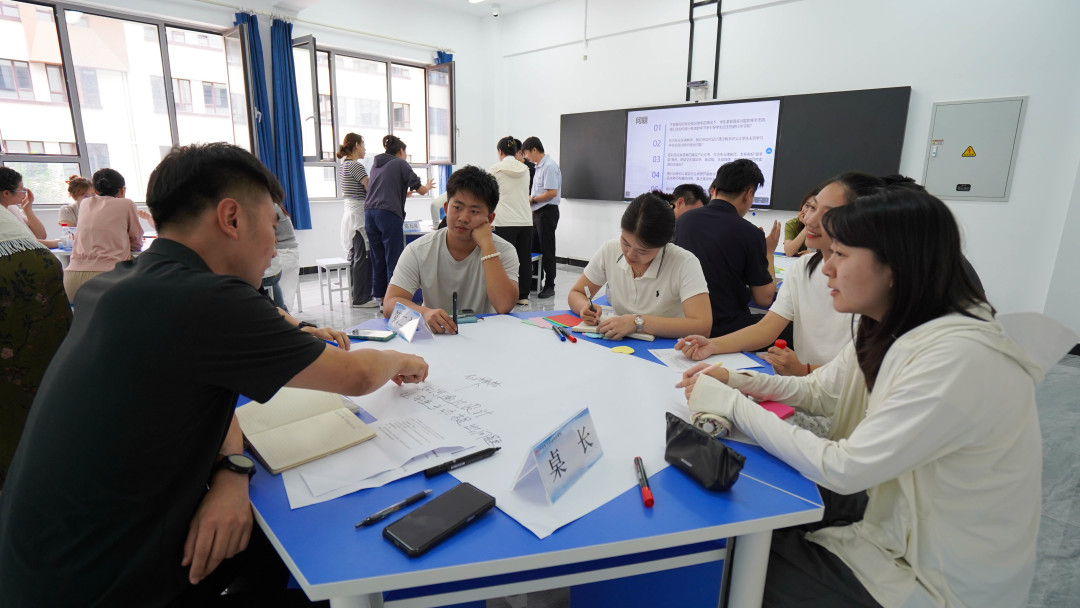
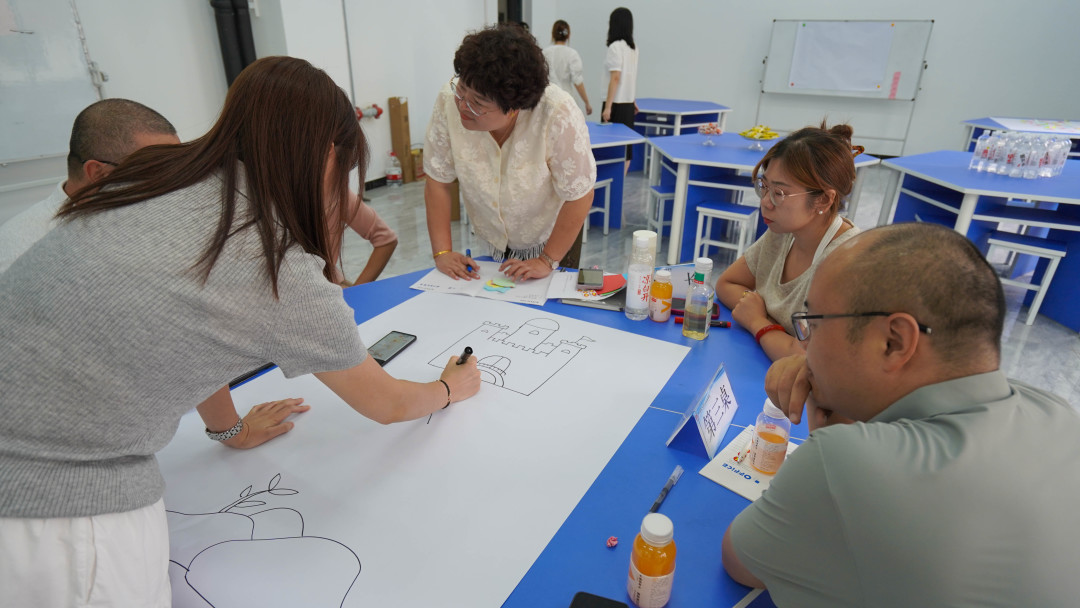
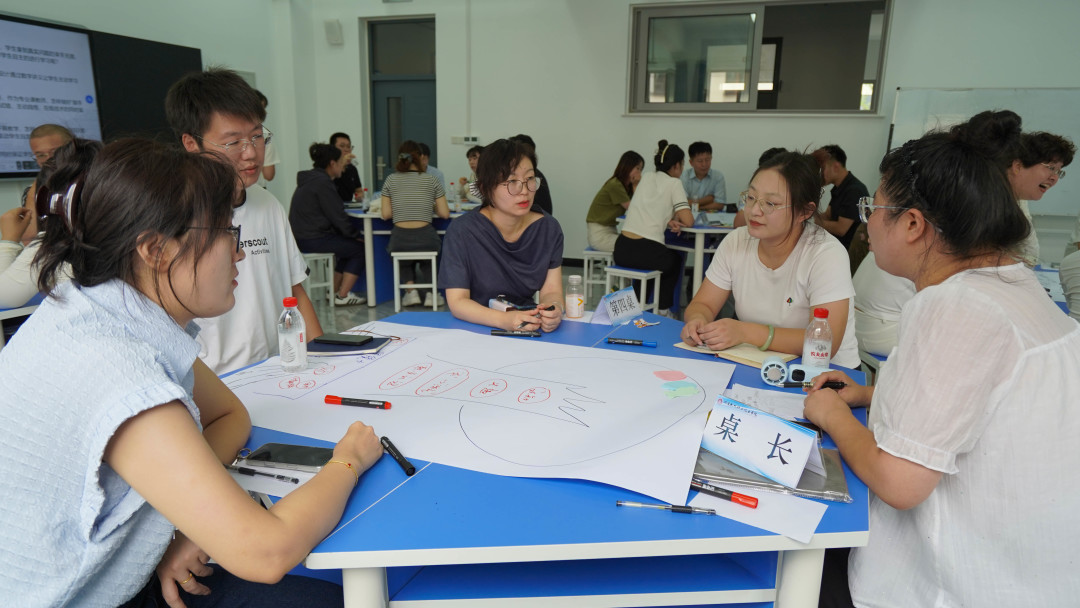
The discussion site was warmly atmospheric. Teachers recorded viewpoints with sticky notes, organized ideas with tablecloths, and collected golden sentences to systematically summarize a batch of curriculum reform measures that fit the school's teaching reality, are implementable, and executable. They transformed each tablecloth into a clear and vivid curriculum reform idea map, turning abstract curriculum reform concepts into concrete practical plans.
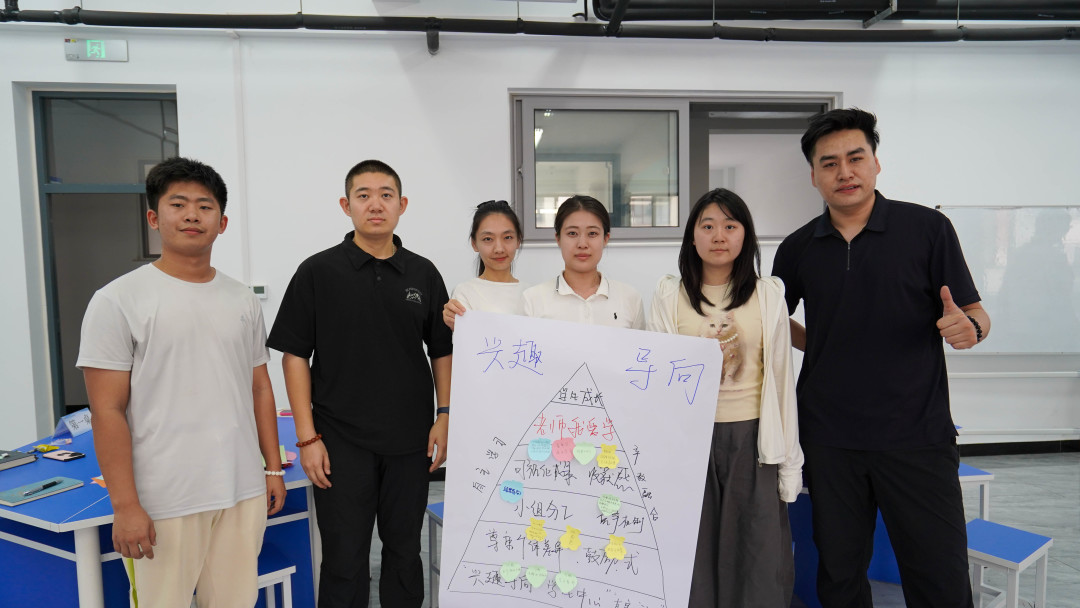
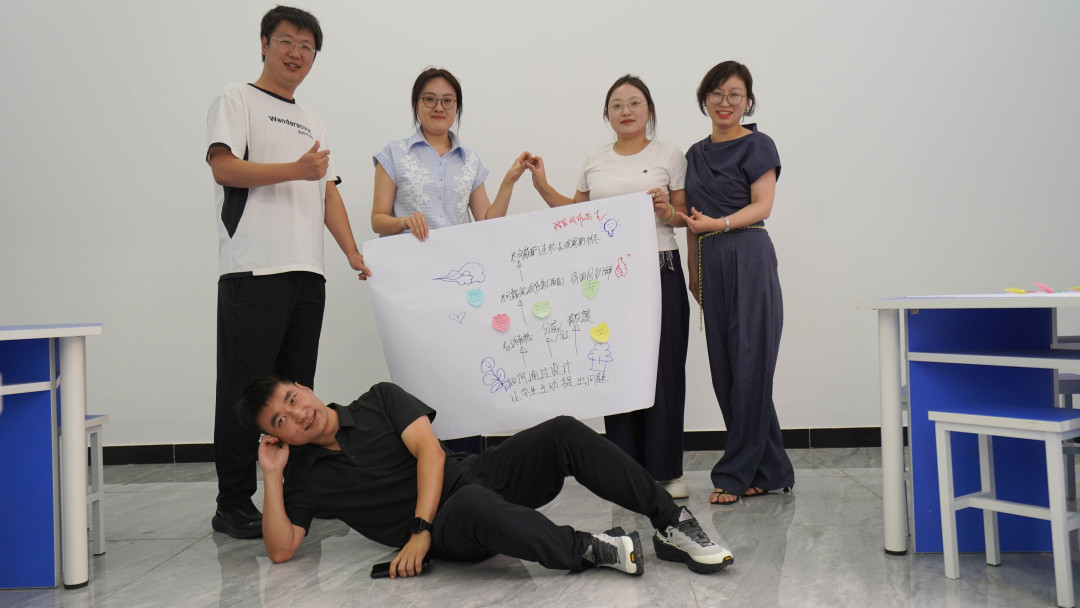
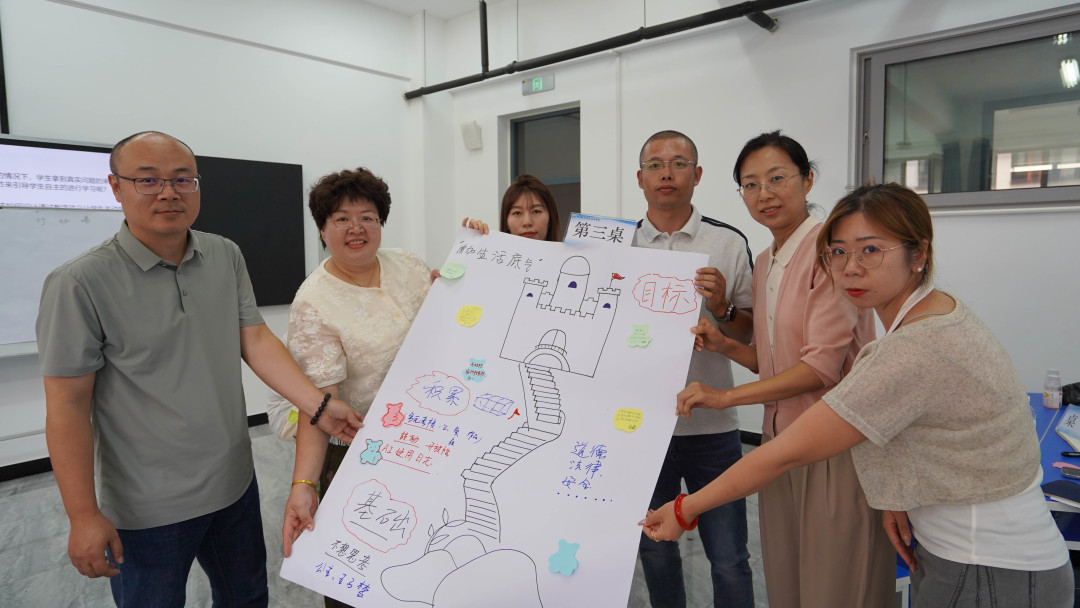
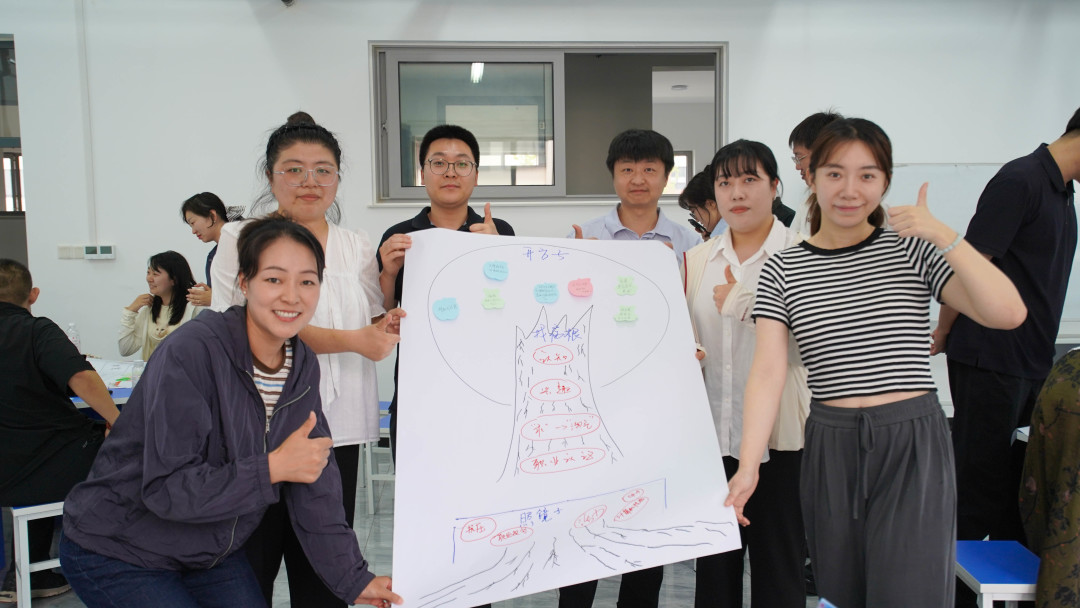
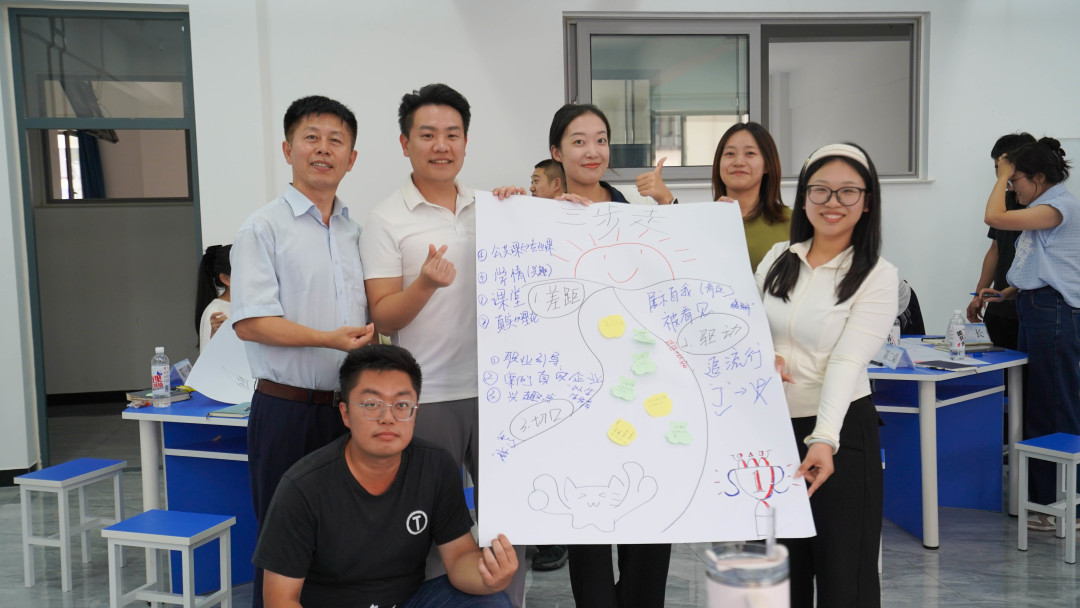
In the collective co-creation voting session, all participating teachers voted with likes on the teaching improvement action plans generated by each group, selecting the key practical actions for the school's industry-education integration curriculum reform this semester. Among them, three measures proposed by teachers Liu Peijun and Lu Houda stood out: 1. preliminary classification based on personality analysis; 2. matching corresponding task roles oriented toward problem-solving in tasks; and 3. segmented delivery: cutting marathon-style projects into small relay segments and providing timely feedback.
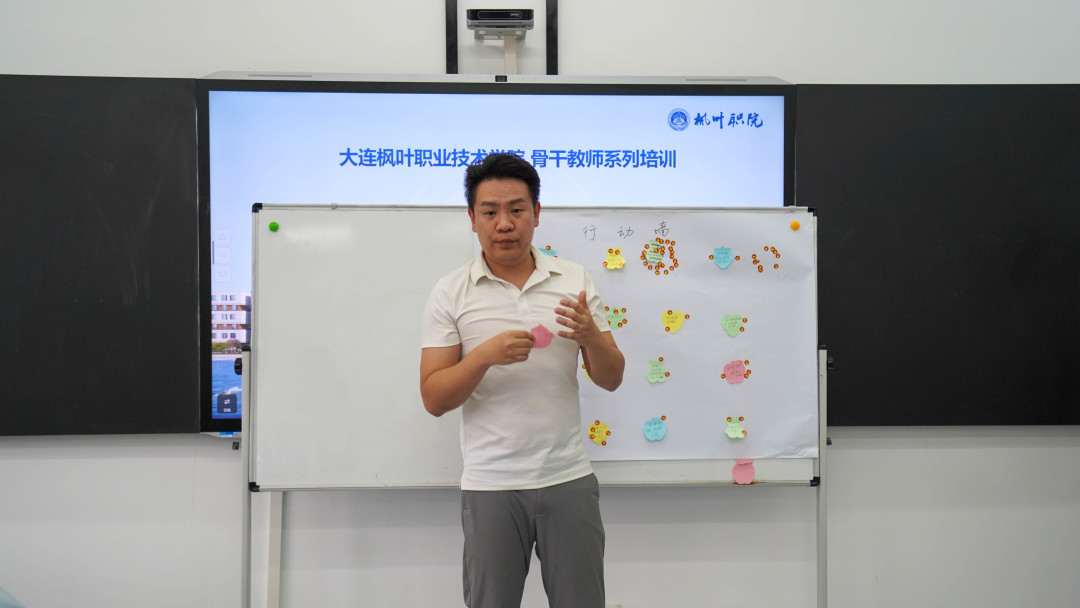
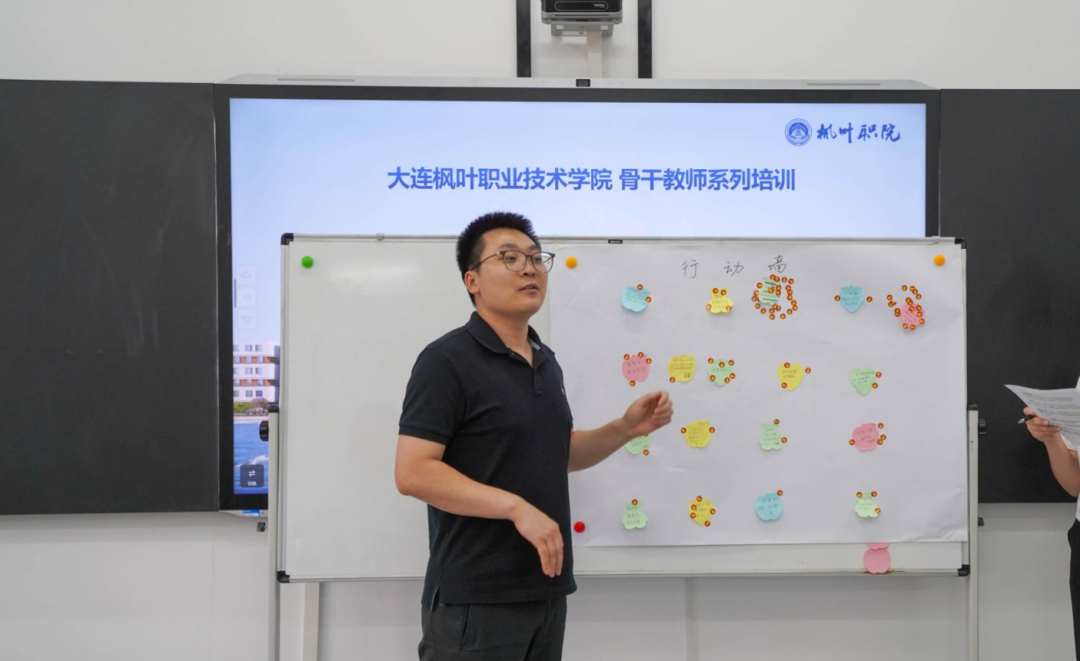
At the end of the event, each teacher filled out a curriculum reform action card, wrote down their personal classroom improvement commitment, and posted it for display, realizing the transformation from collective discussion to individual task.
This salon changed the one-way lecture model, made teachers the protagonists of teaching research, effectively activated the school's endogenous teaching-research momentum, and successfully closed the "training—discussion—practice" loop of teaching reform. Next, our school will continue to deepen industry-education integration curriculum reform, implement various optimization measures, and use normalized and refined teaching research to empower classroom quality and efficiency improvement, helping the school achieve high-quality development of education and teaching.