To build a solid campus safety defense line and improve freshmen's emergency self-rescue capabilities, on September 8, Daheishi Campus seized the opportunity of freshman military training to organize and carry out a fire emergency evacuation drill. All freshmen participating in training from the Smart City Service Industry College and the Medical and Nursing Industry College participated in this drill.
To ensure the drill was safe and orderly, the Student Affairs Department, Security Office, and safety responsible persons from relevant industry colleges held a coordination meeting in advance to formulate a meticulous drill plan. On the day of the drill, staff members performed their respective duties, stationed themselves in advance at key positions such as corners of each floor and safety exits of the drill site for fixed-point protection, and escorted the smooth passage of evacuation routes and the safe evacuation of students.
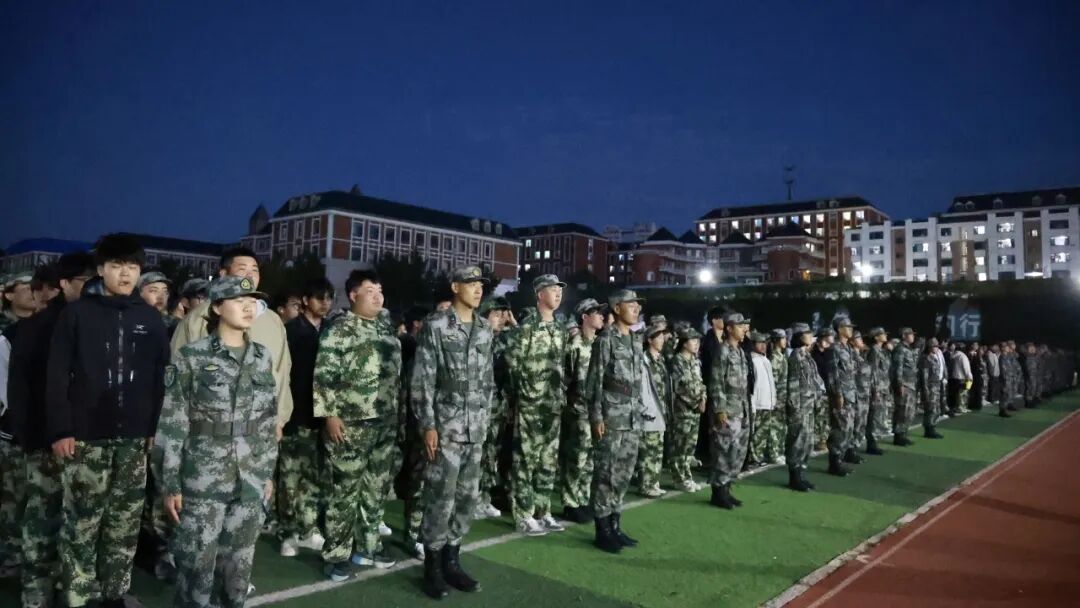
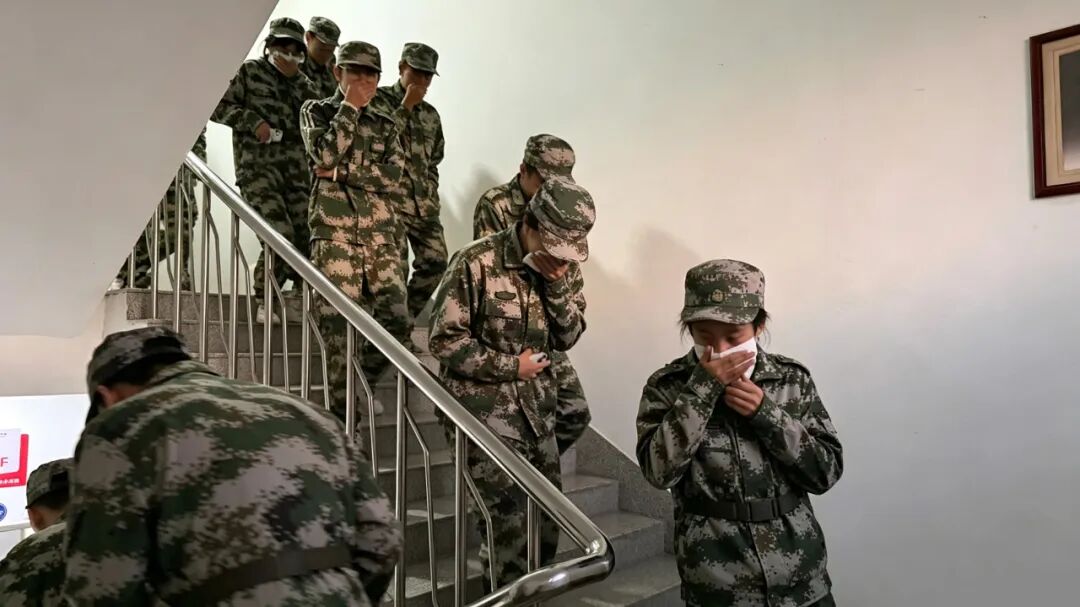
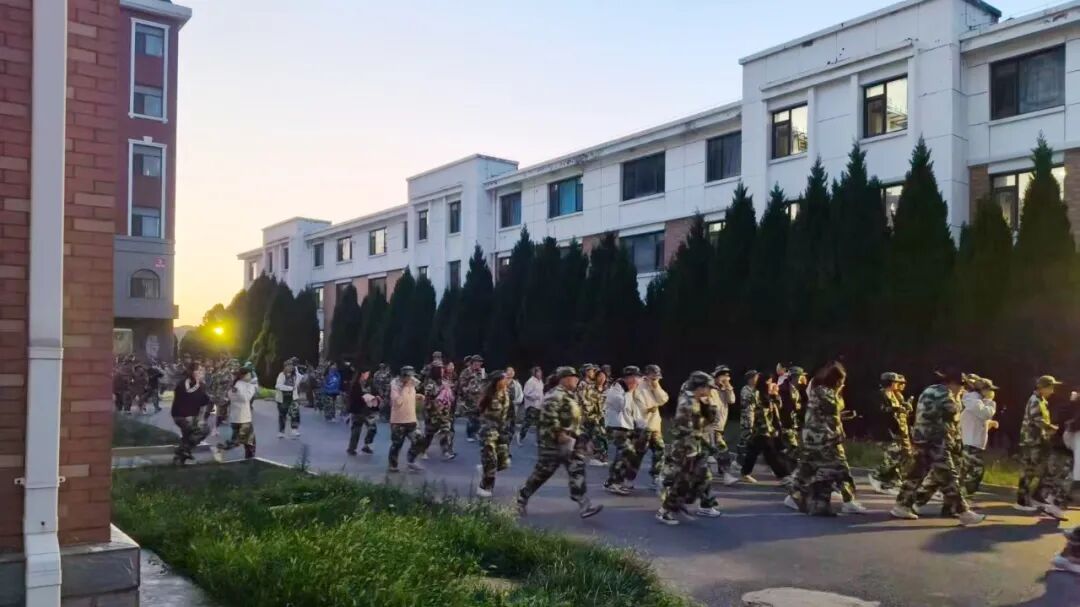
This drill was deeply integrated with the military training education system, incorporating fire safety education into the freshman military training classroom, and strictly implemented in accordance with the campus fire emergency plan. When the simulated fire alarm sounded, participating students quickly entered an emergency state, followed the escape requirements of bending down low, covering their noses and mouths, obeyed on-site command, evacuated orderly along predetermined routes, and safely arrived at the sports field and basketball court to assemble. The entire evacuation was tense, efficient, and well-ordered, showing the freshmen's excellent disciplinary style and emergency literacy.
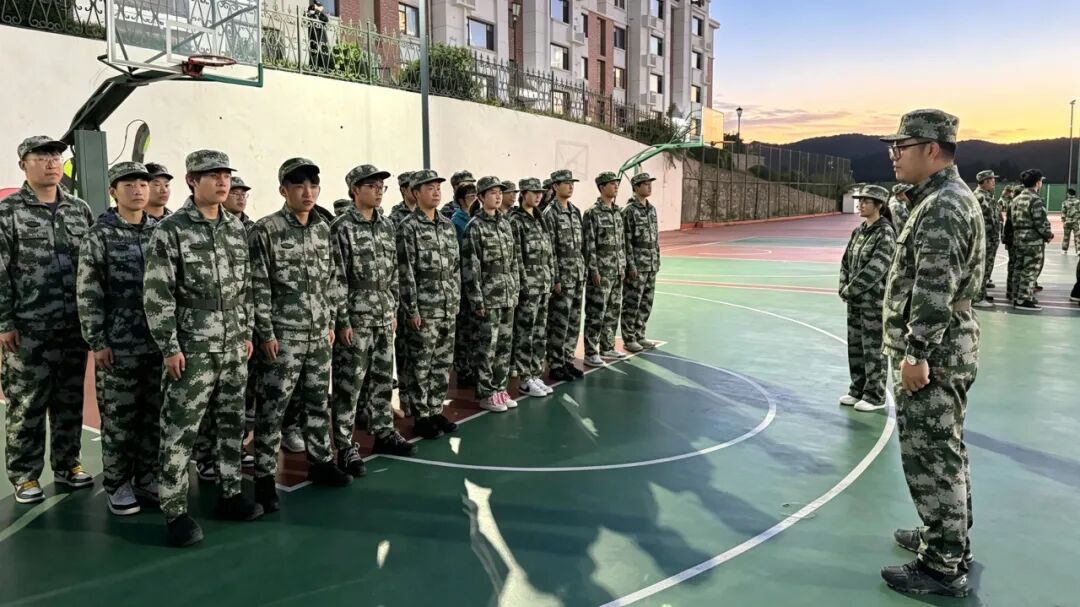
After the drill assembly, Sun Yonghai, Student Management Associate Dean of the Medical and Nursing Industry College, and Zhang Yu, Student Management Associate Dean of the Smart City Service Industry College, based on campus safety reality, carried out systematic fire safety science popularization. They gave detailed explanations focusing on key contents such as safe electricity use in dormitories, daily fire prevention, and fire reporting procedures, combined with high-frequency campus safety hazard cases, and popularized practical safety skills such as initial fire handling, fire scene self-rescue and mutual rescue, and emergency avoidance and escape, so that safety knowledge entered minds and hearts and practical skills were learned and usable.


This drill combined military training with safety education, allowing students to immersively experience the emergency evacuation process, proficiently master fire escape points, effectively improve their ability to respond and self-rescue in the face of sudden dangers, strengthen fire safety awareness, and continuously build a solid safety defense line for a peaceful campus.