
Qi Zenghui
● Born in 2005
● Class of 2024, Cloud Computing program
● iSoftStone HarmonyOS Lab – Xinghe Project | HarmonyOS Application Adaptation Testing Intern
In the world of code, some delve deep into back-end development, while others stand firm at testing posts, safeguarding the quality of the homegrown operating system ecosystem.
From a Cloud Computing student on campus to an intern at the iSoftStone HarmonyOS Lab; from campus back-end projects to HarmonyOS application adaptation testing, Qi Zenghui has steadily embarked on this journey of growth.
Part 1
From Back-End to Testing: Why Did He Switch Tracks?
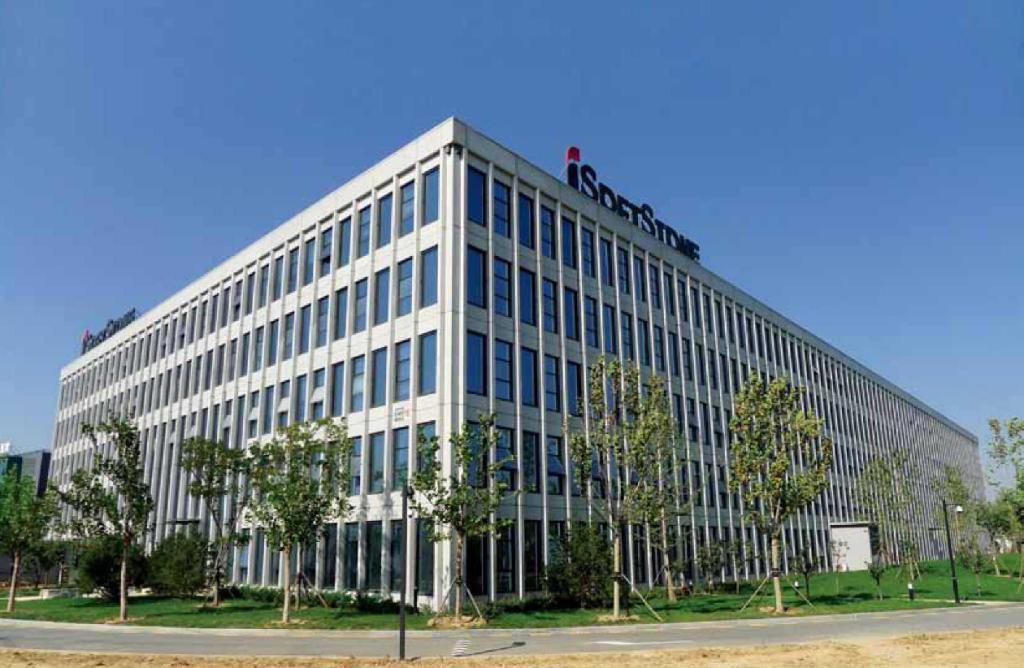
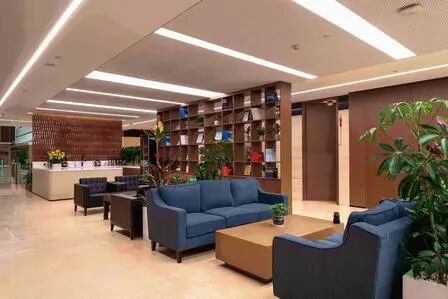

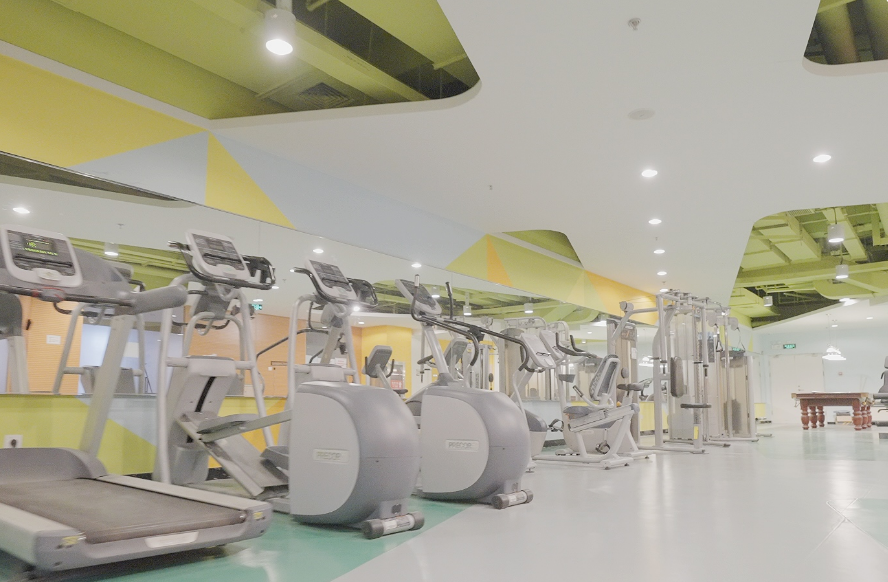
▲ Qi Zenghui's workspace (iSoftStone)
While at college, Qi Zenghui studied Java and Linux, ranking consistently in the top 10% of his cohort, and won a provincial Chuanzhi Cup Excellence Award. In campus projects he was responsible for back-end development, building a solid technical foundation. Yet driven by his aspiration for the homegrown ecosystem, he seized a college-recommended opportunity and decisively threw himself into the new frontier of HarmonyOS testing.
"To be honest, I felt quite uncertain at the very beginning," Qi Zenghui admitted. Having worked on the back end for a long time, he had almost zero hands-on testing experience. Fortunately, the lab assigned a one-on-one mentor to guide him step by step; he learned the relevant HarmonyOS specifications alongside his mentor, and together they tracked down a crash bug and pinpointed an SDK version compatibility issue.
"At that moment I came to understand even more clearly: software testing is not just simple clicking; behind it lies a complete and rigorous methodology."
After one month of training, he was already able to independently complete various types of application adaptation testing and automated verification, and he even compiled case documentation for his fellow students to refer to.
"Doing a project is not just about technical skill; it also requires designing test cases, reproducing bugs, performing regression verification, documenting lessons learned, reviewing carefully, and taking ownership of delivery."
Part 2
From Student Mindset to Workplace Mindset: What Did He Do?
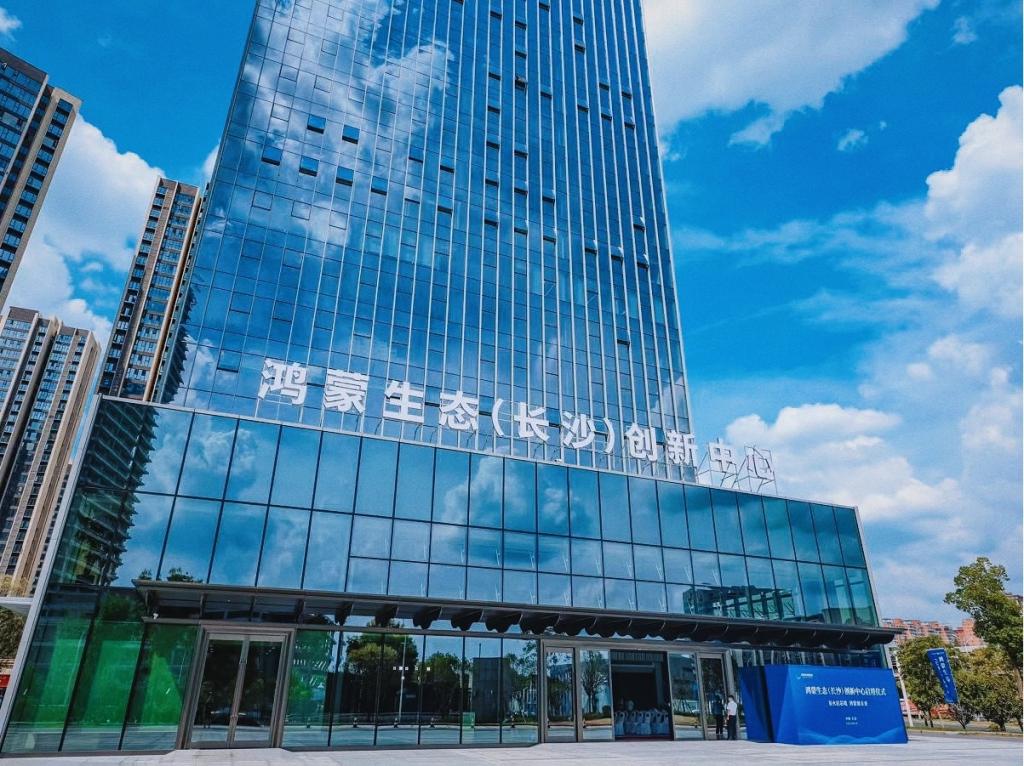
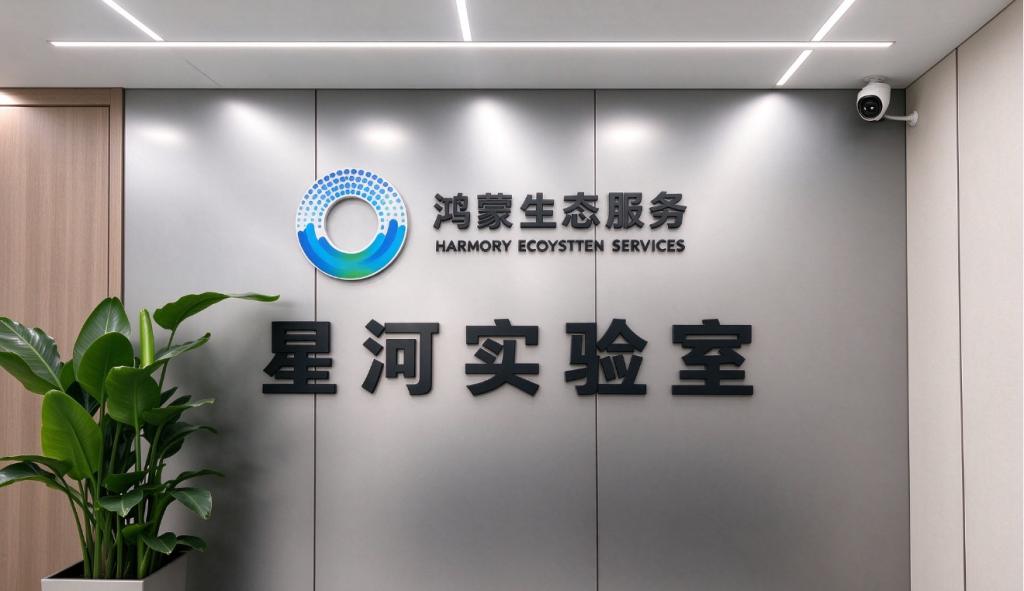
▲ Qi Zenghui's workplace
The most precious transformation the internship brought Qi Zenghui was the awakening of a sense of responsibility.
A mistake in a class assignment only costs a few points, but once a testing post misses a defect, the problem reaches tens of thousands of end users. After every round of testing, he reviews the business process to uphold delivery quality.
"That is not one person's technical performance; it is a responsibility to the end users and to the delivery quality of the HarmonyOS ecosystem."
The training at iSoftStone also broadened his understanding of what an engineer is: beyond back-end coding, log analysis, testing and verification, and cross-team communication are all indispensable. The team's strong culture of discussion enabled him to keep overcoming challenges. In the future, he plans to continue deepening his expertise in back-end development while carrying a testing mindset, growing toward becoming a full-process technical professional.
Part 3
Three Messages for His Junior Fellow Students
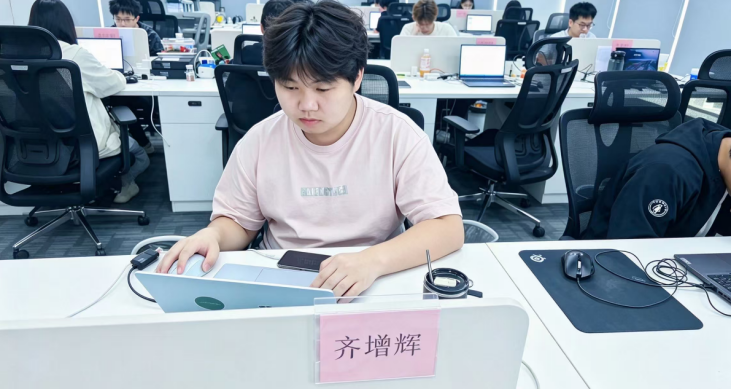
▲ Qi Zenghui's office
Looking back on this training experience, Qi Zenghui summed up three lessons:
Don't be confined by your major label. Foundational technical abilities are interconnected; a back-end background can shine just as brightly on the testing track.
Spot the new track early and accumulate experience by getting in soon. Be sure to put book knowledge into practice in projects; when you hit a hard problem, first check the documentation yourself, then boldly ask your seniors for guidance.
Making mistakes is nothing to fear; only by reviewing can you keep making progress. Keep an eye on the wave of technology, but also hone your skills step by step, on solid ground.
Technology has no walls; building the ecosystem of homegrown operating systems requires countless technical people quietly honing their craft in different roles.