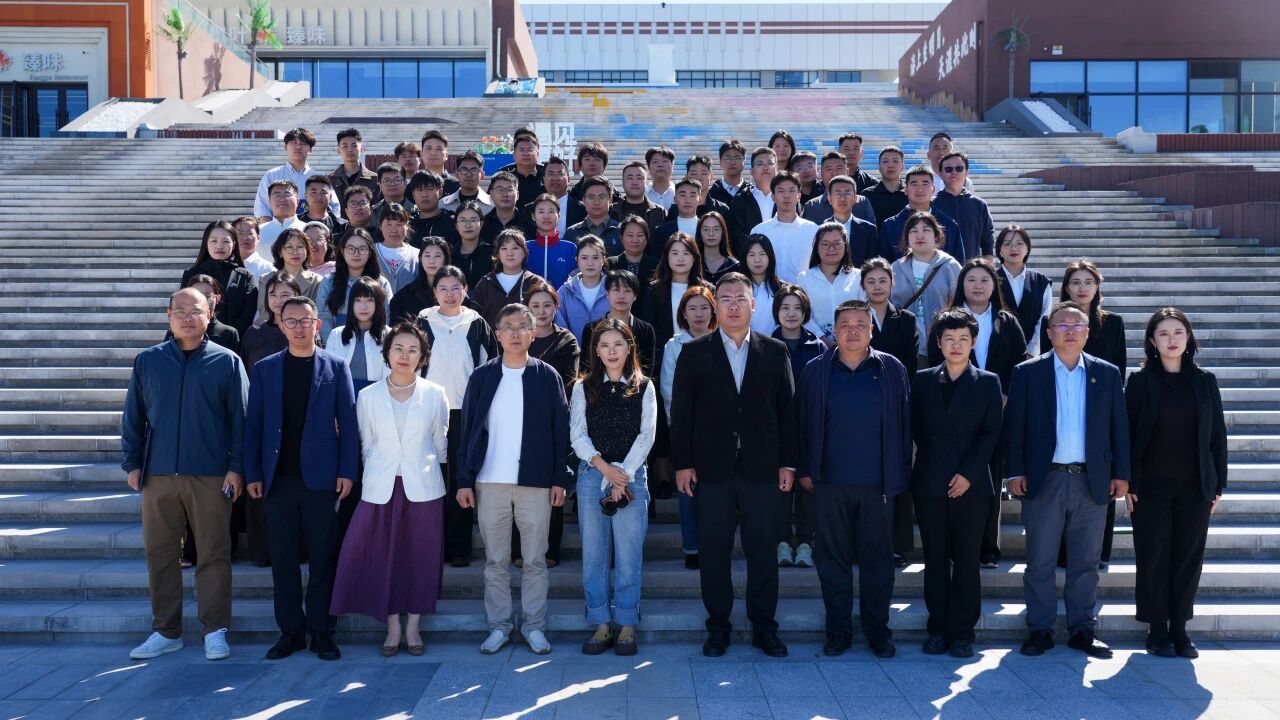
From October 5 to 7, Dalian Maple Leaf College of Technology held the fourth session of its "Dean's College" Management Training Program. University-level leaders, heads of functional departments, leaders of secondary colleges, and all counselors and student-affairs staff participated in the training. Over the three days, the program, oriented toward addressing real problems, adopted various formats—video learning, report reviews, outward-bound training, expert lectures, and summary and deployment sessions—to focus on management improvement and team building, ensuring that all tasks were implemented in a concrete and down-to-earth manner.
Identifying Problems and Targeting Efforts
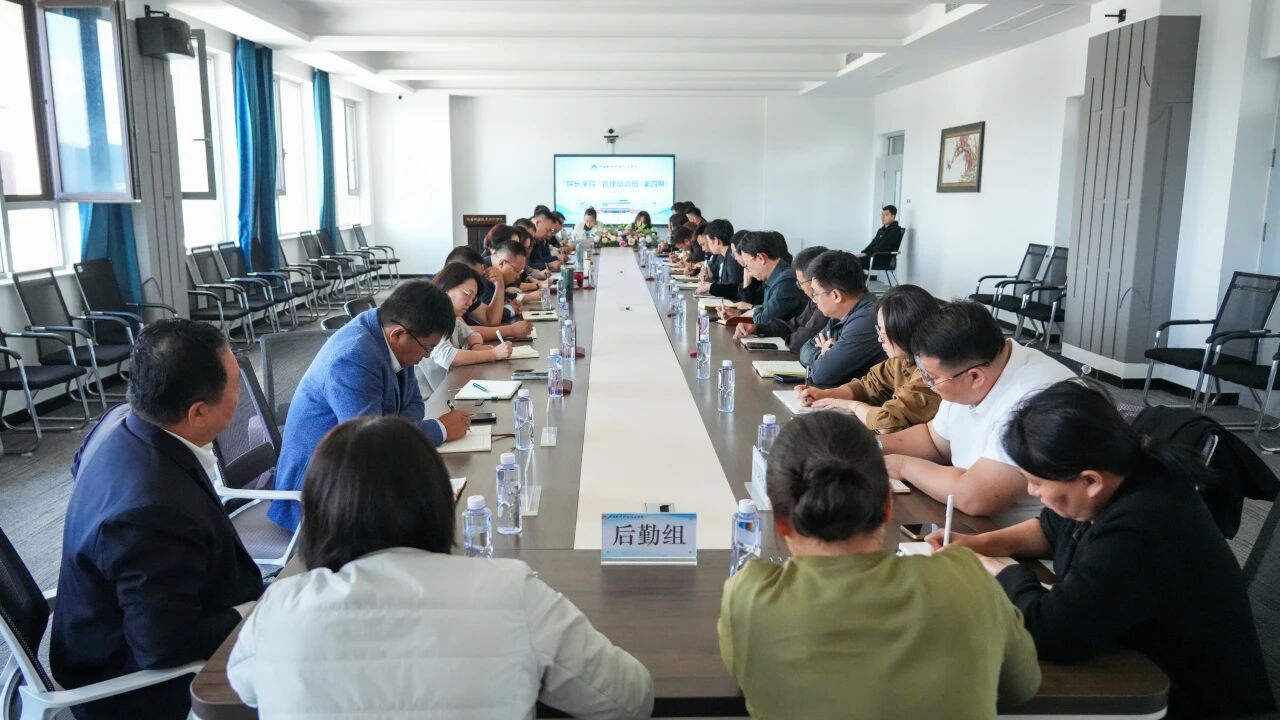
On the morning of October 5, heads of functional departments and leaders of secondary colleges held a concentrated discussion. The training began with the viewing of five thematic videos to warm up the day's discussion. Subsequently, each secondary college reported on its achievements and existing problems since the start of the semester. Functional departments adopted an approach of "listening to one college, then evaluating one college," and, based on their respective business areas, identified weak links in their work. University-level leaders offered individual comments, providing evaluation and guidance on the work of each college. In the afternoon, each secondary college, in light of its self-identified problems and the feedback received at the meeting, reported its rectification plans one by one, clarifying the direction for the next step of improvement and concrete measures for implementation, thus effectively driving problem rectification to yield tangible results.
Opening Mobilization: Uniting Minds and Pooling Wisdom
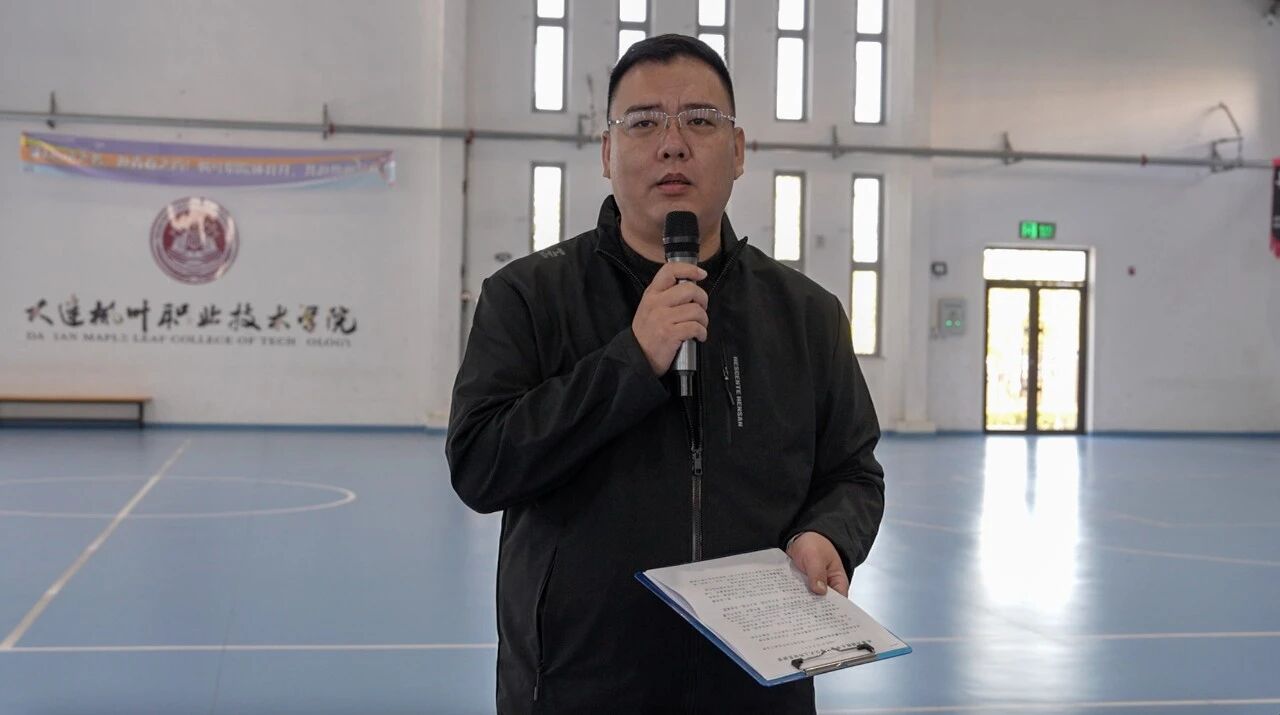
On October 6, all counselors and student-affairs staff carried out outward-bound training. At the opening ceremony, Executive Vice President Gao Chenglin delivered a mobilization speech. He stated that this training was launched because the student-affairs team urgently needs to recharge and empower itself: facing new challenges such as student mental health and employment, traditional working methods are hard to adapt; newly recruited counselors make up a high proportion of the team and lack experience in crisis handling; and hands-on capabilities such as heart-to-heart talks and risk assessment still need strengthening. The two-day training comprised outward-bound exercises and special lectures, each interlinked and with its own focus. The special lectures centered on practical student-affairs work and the improvement of educational capabilities, covering themes such as student ideological guidance, teaching management standards, academic and further-education pathways, and international cooperation and exchange. University leaders and heads of functional departments taught based on frontline cases, helping participants thoroughly master the methods and solidly hone their skills. Vice President Gao Chenglin put forward four expectations for the participants: encourage everyone to learn with problems in mind and bring back practical solutions, to immerse themselves in the training and apply what they learn, to empower one another and grow together, and to strive to forge a student-affairs "iron army" that answers the call, is ready for battle, and wins when it fights.
Outward-Bound Tempering: Moving Forward Together as One
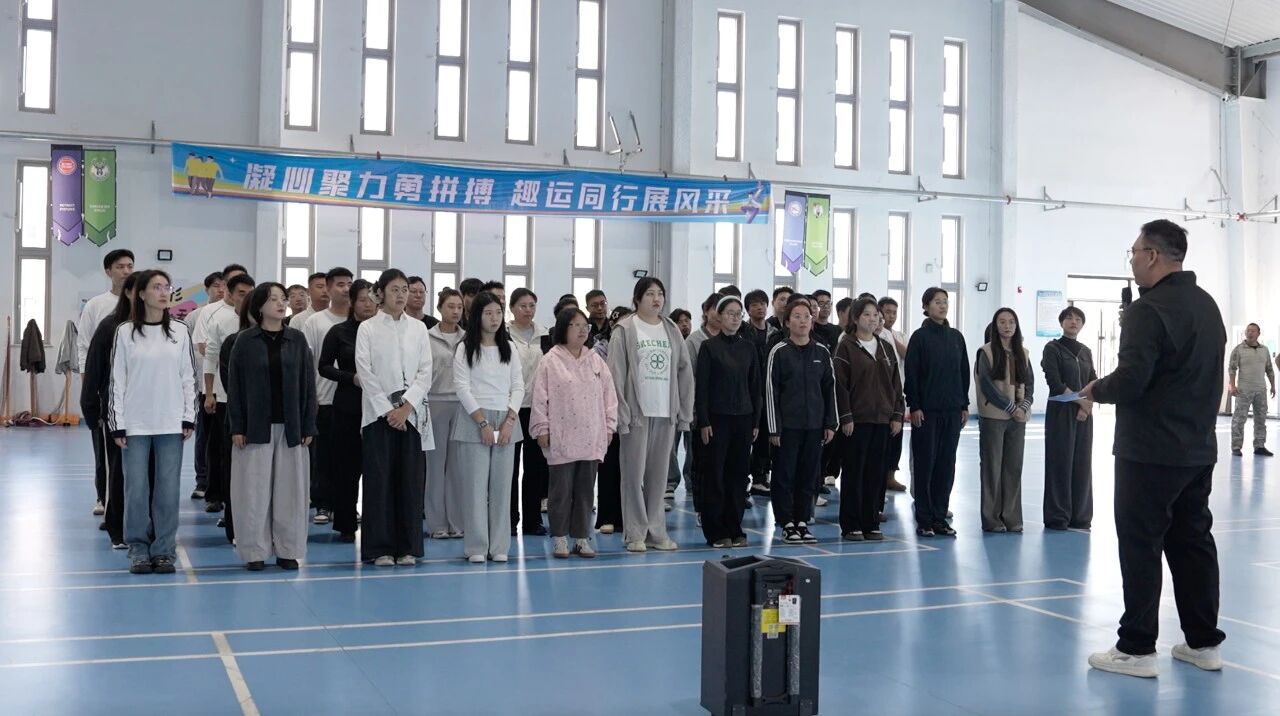
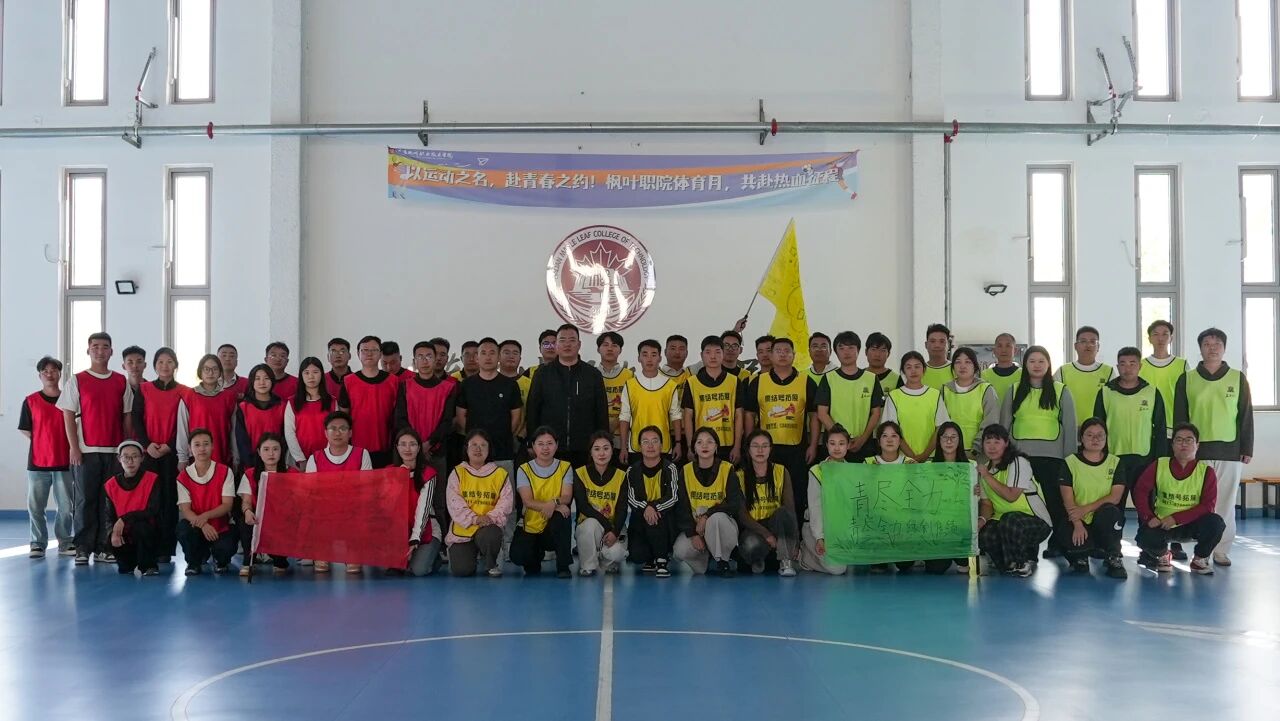
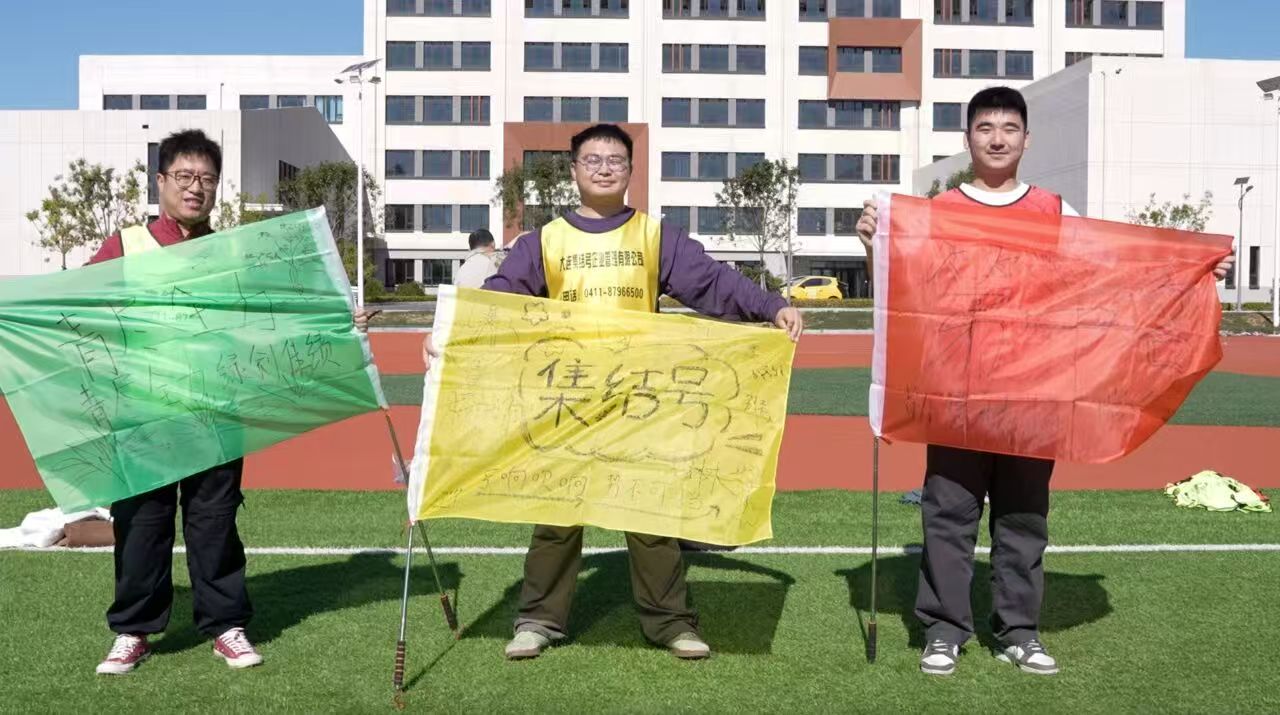
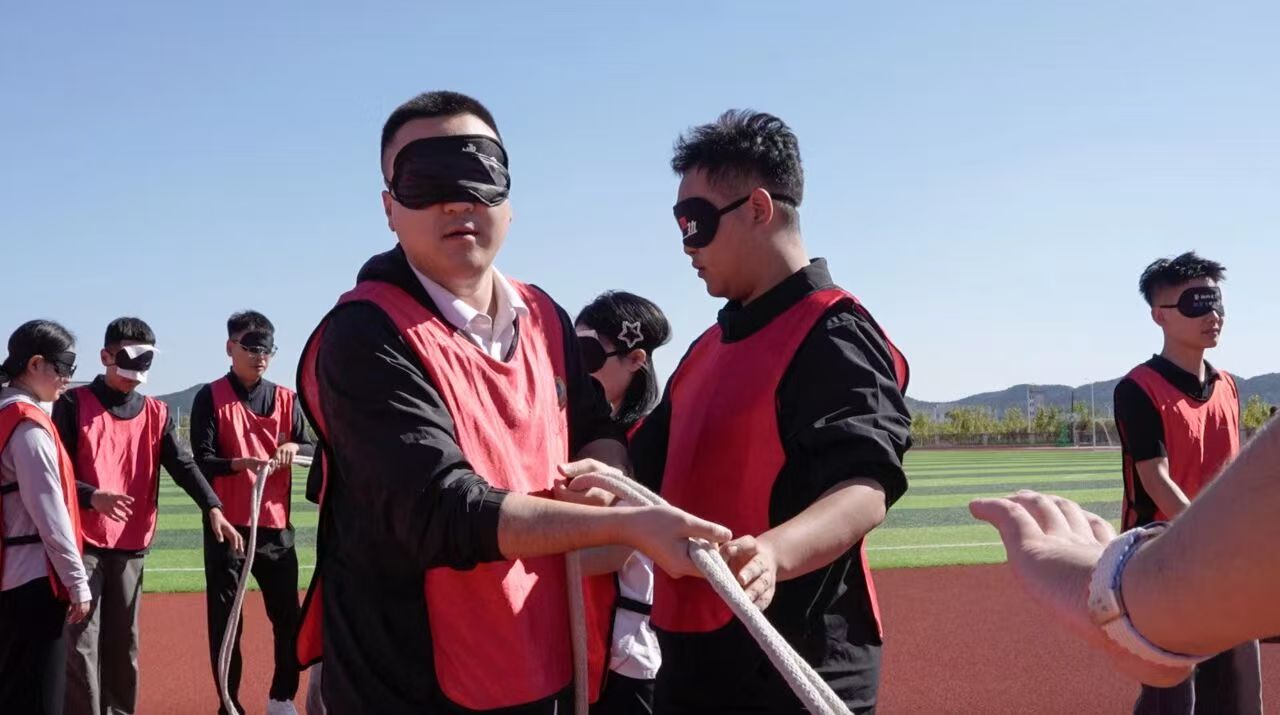
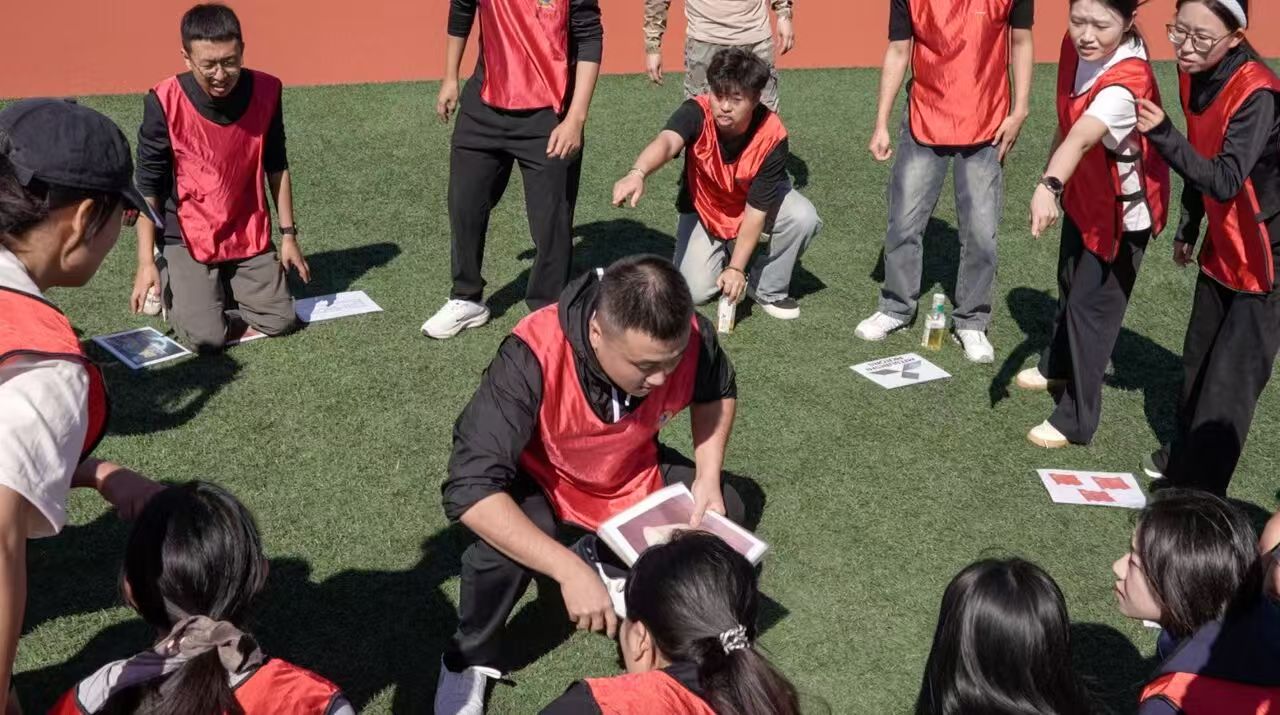
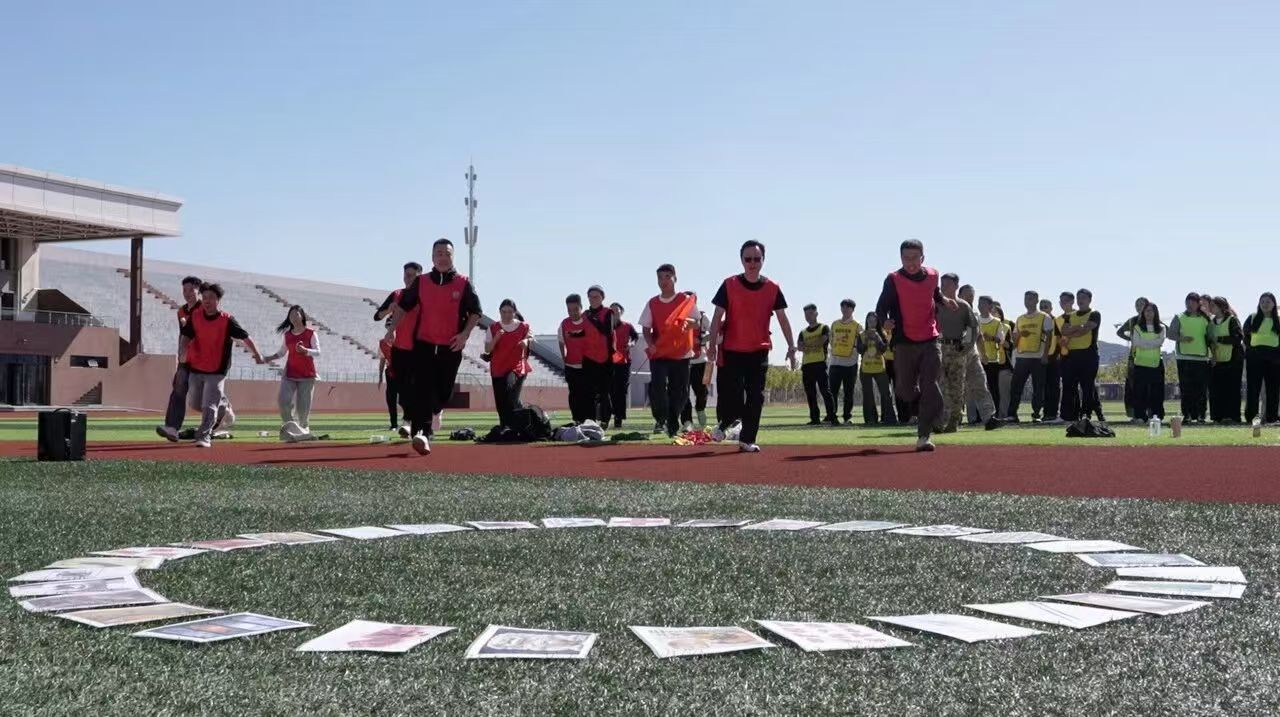
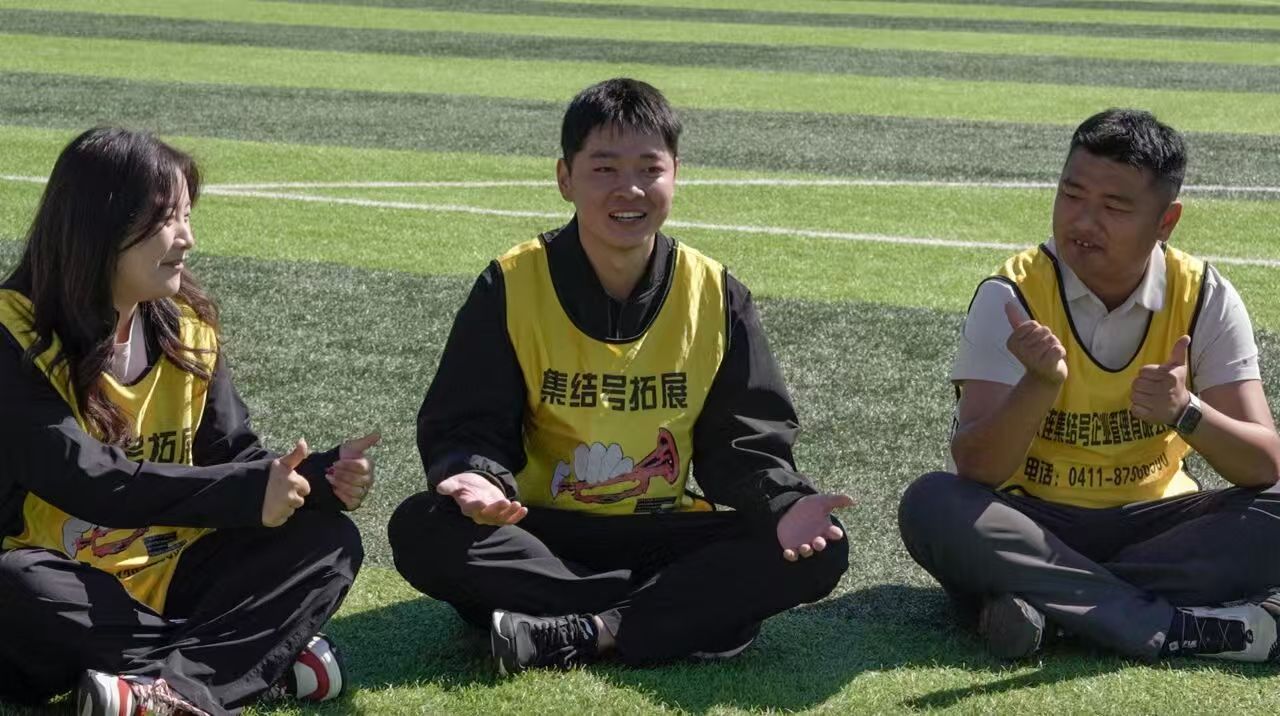
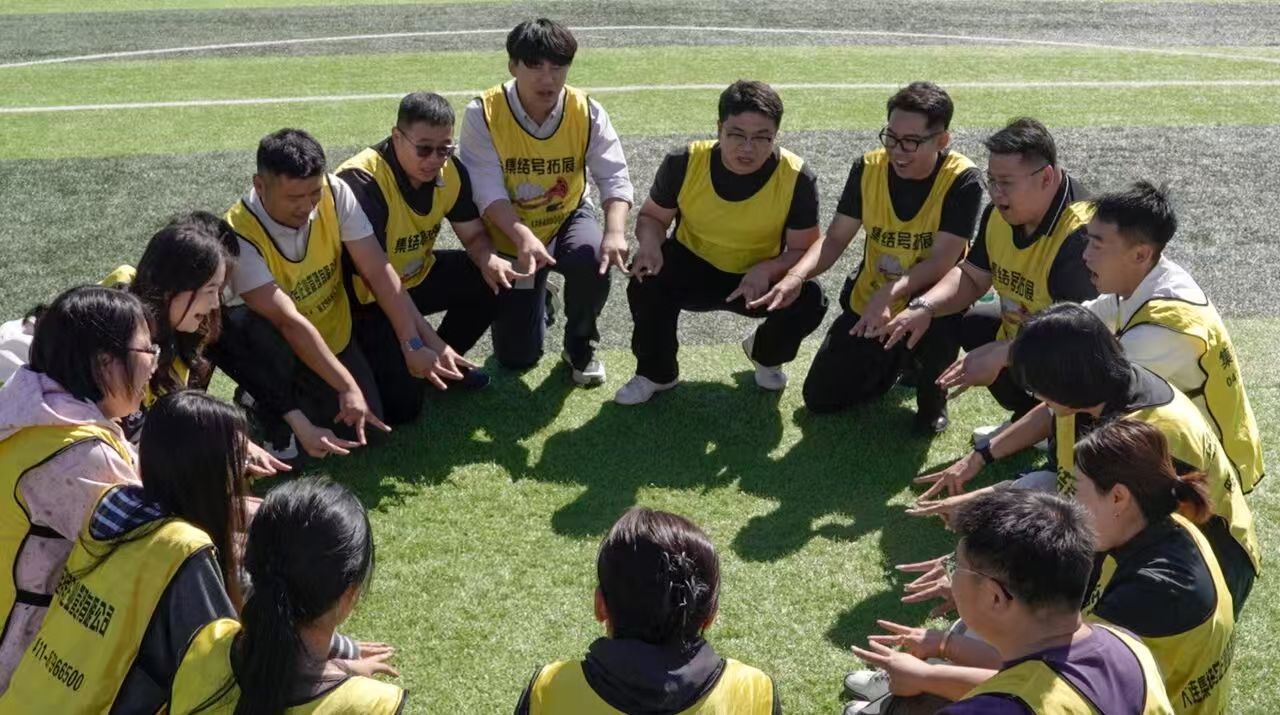
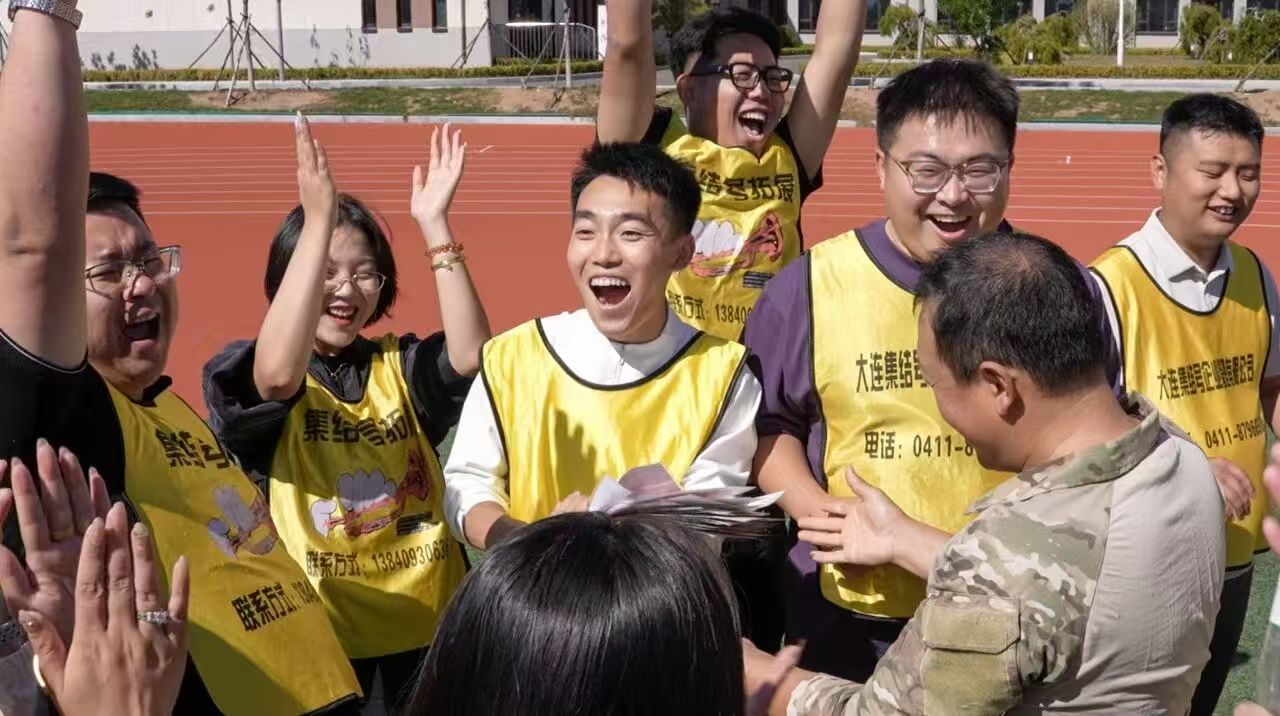
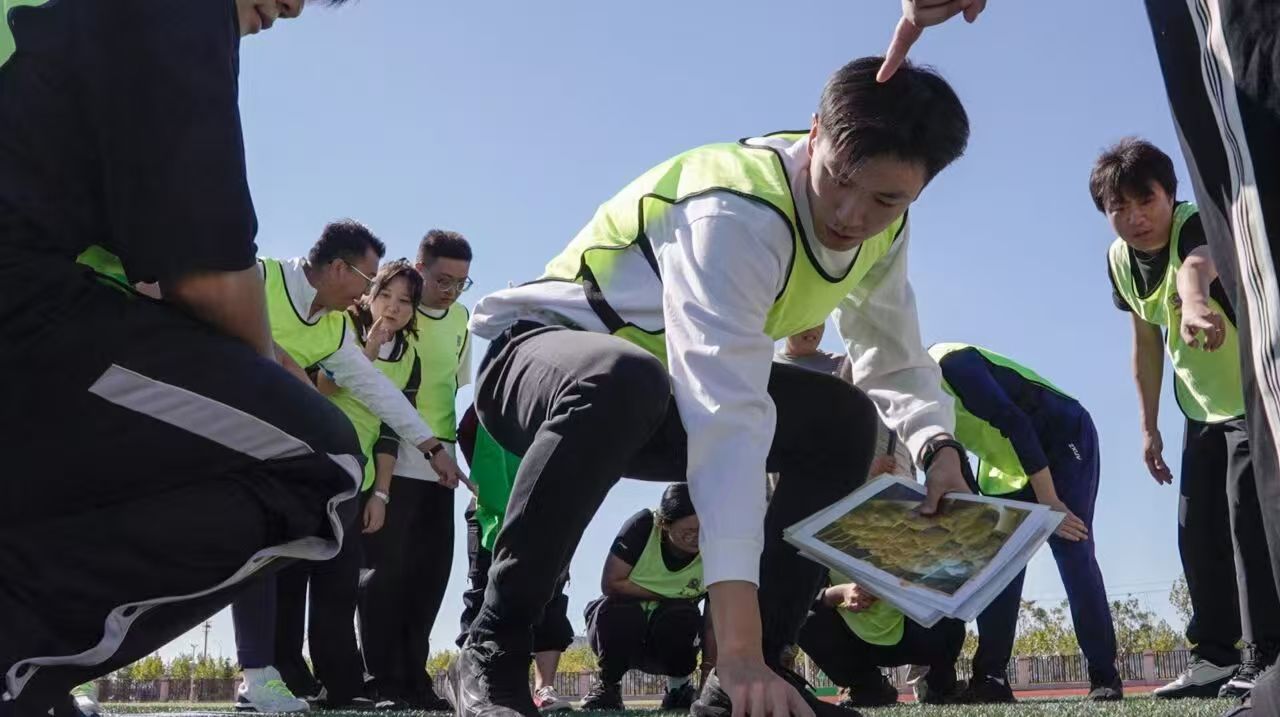
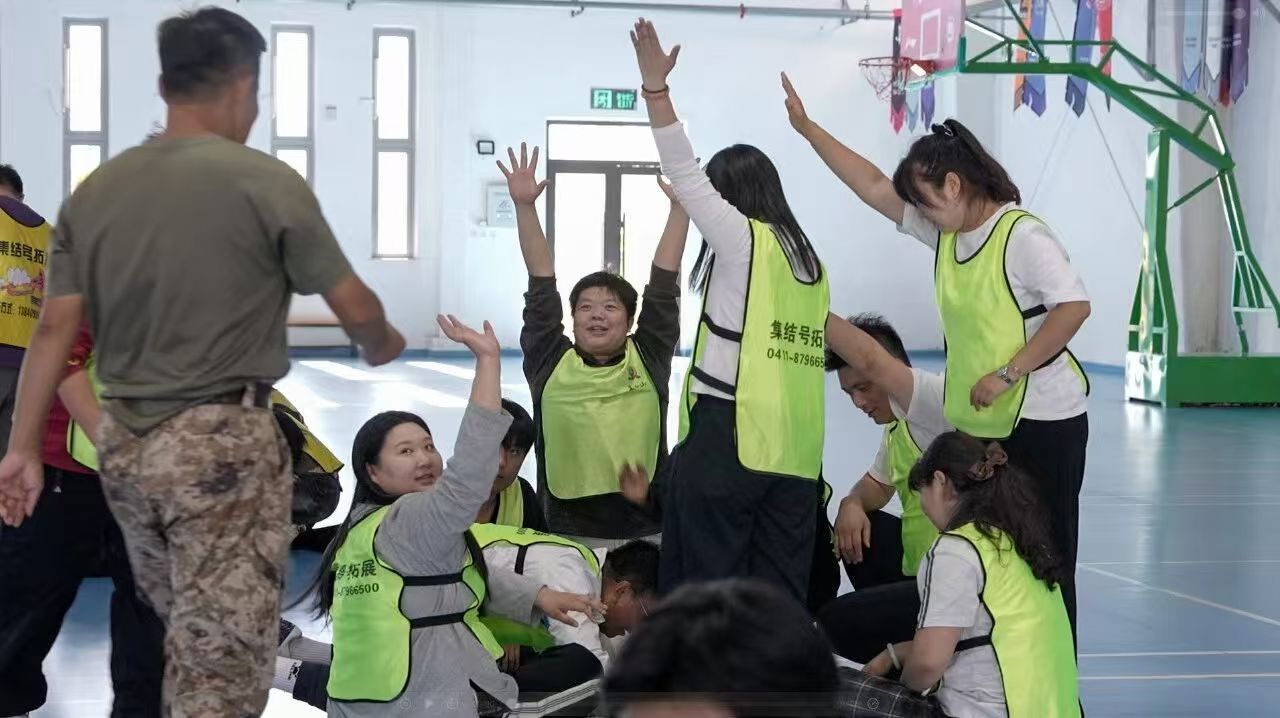
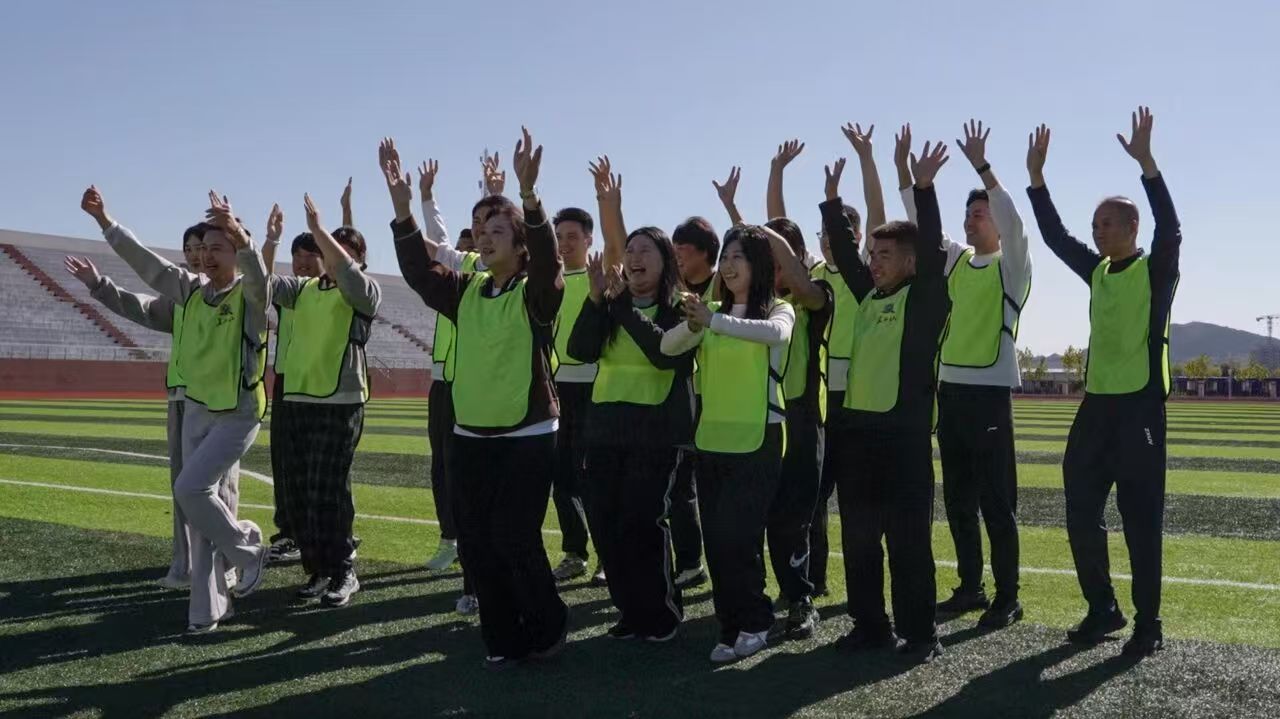
In accordance with the team-building plan, the outward-bound training was conducted at the sports ground of the Qidingshan Campus. The activities began with ice-breaking and team formation and team-culture competitions, followed by team projects such as Rapid Decryption, Blind Shelter Building, and Challenge No.1; in the afternoon, themed integration projects such as Rapid 60 Seconds and Team Tangram were carried out, and the session concluded with summary sharing and a group photo. The training was planned and executed by professionals from the Dalian Jijiehao Outward Bound Team, with projects designed around core competencies such as team communication, planning and execution, and collaborative trust. Participants quickly formed synergy in unfamiliar situations and mastered the complete process of organizing, leading, guiding, and reviewing through firsthand experience. "A person's influence comes from experience—from solving, not from explaining"—turning the spark ignited in the team today into the spark that ignites students tomorrow is precisely the deeper purpose of the outward-bound training.
Tracing Roots through History, Reliving the Original Aspiration
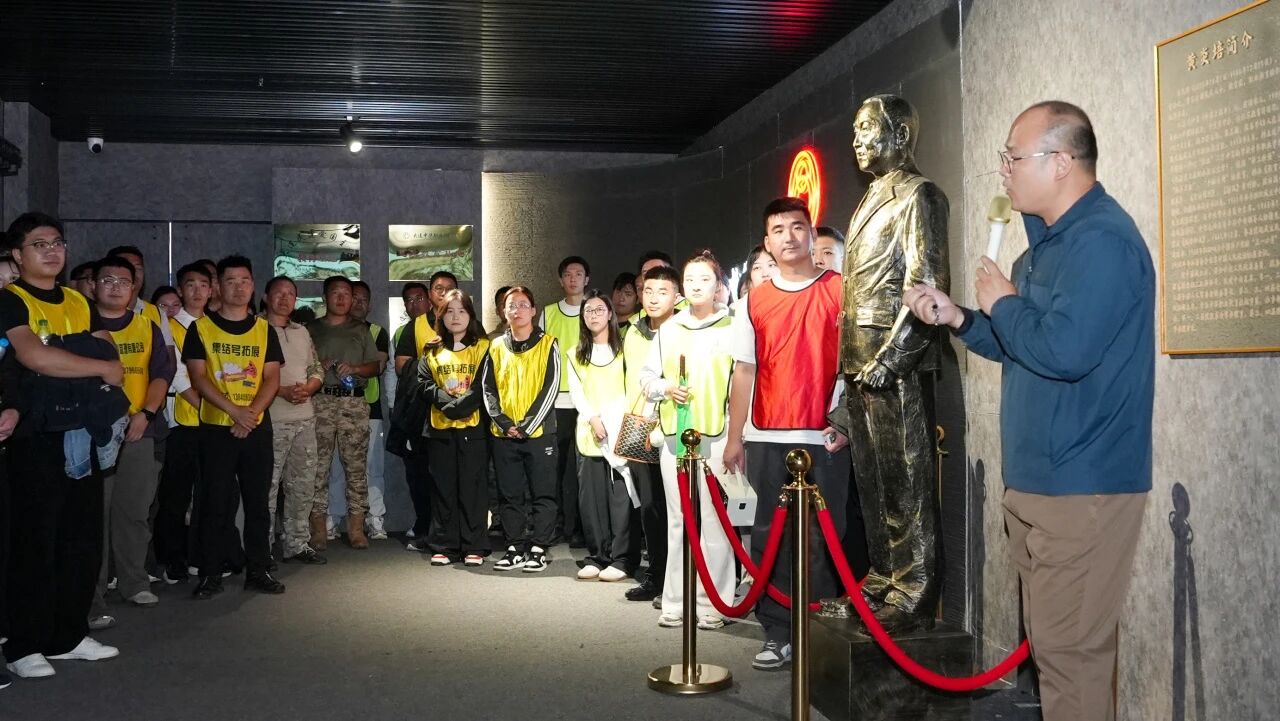
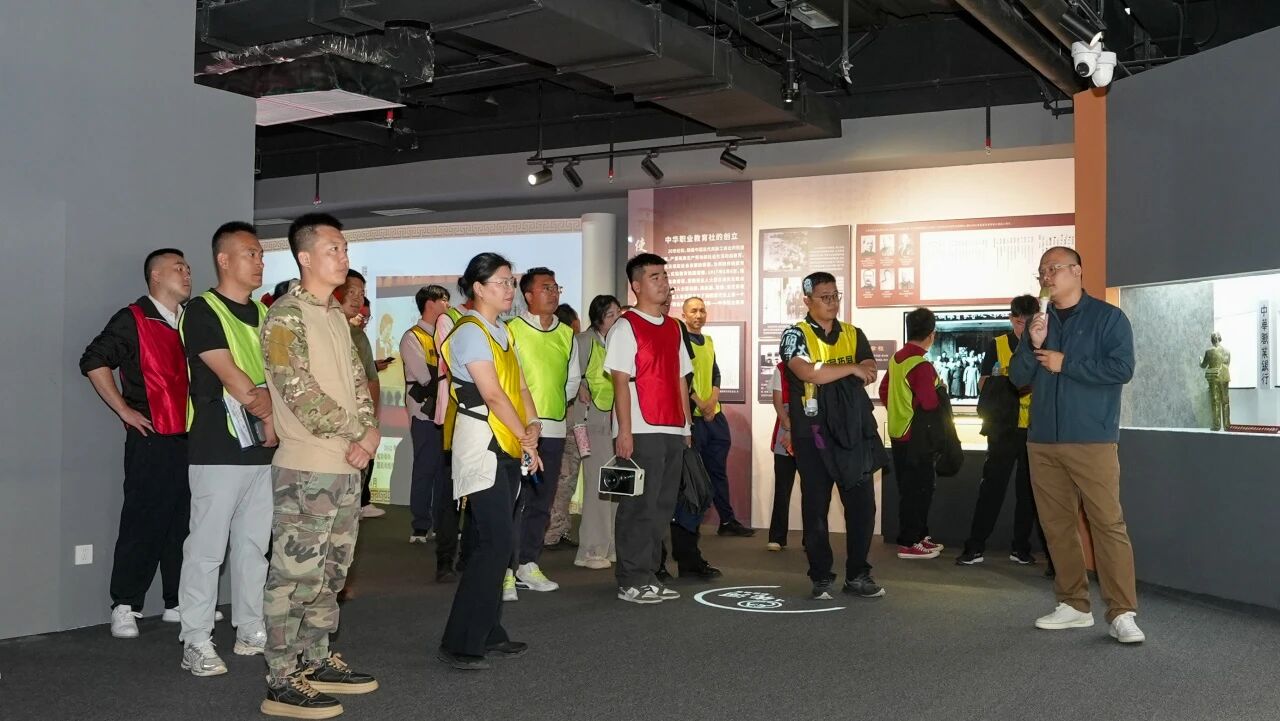
During a break in the training, participants visited the History Museum of the China Vocational Education Association—built by our college—for on-site study. The visit was guided by Xue Fei, Director of the Publicity Department, and the museum, relying on AI digital displays, holographic imaging, and other forms, presents the century-long development of the China Vocational Education Association in full. Following the thread of vocational education's evolution, everyone read the historical materials and images, grasped the original aspiration of vocational education—"to enable the jobless to have jobs, and those with jobs to enjoy their work"—and, in this lifelike classroom, deepened their educational commitment, further strengthening their responsibility and resolve to root themselves in vocational education and devote themselves wholeheartedly to nurturing students.
Building on the Platform, Educating Students Pragmatically
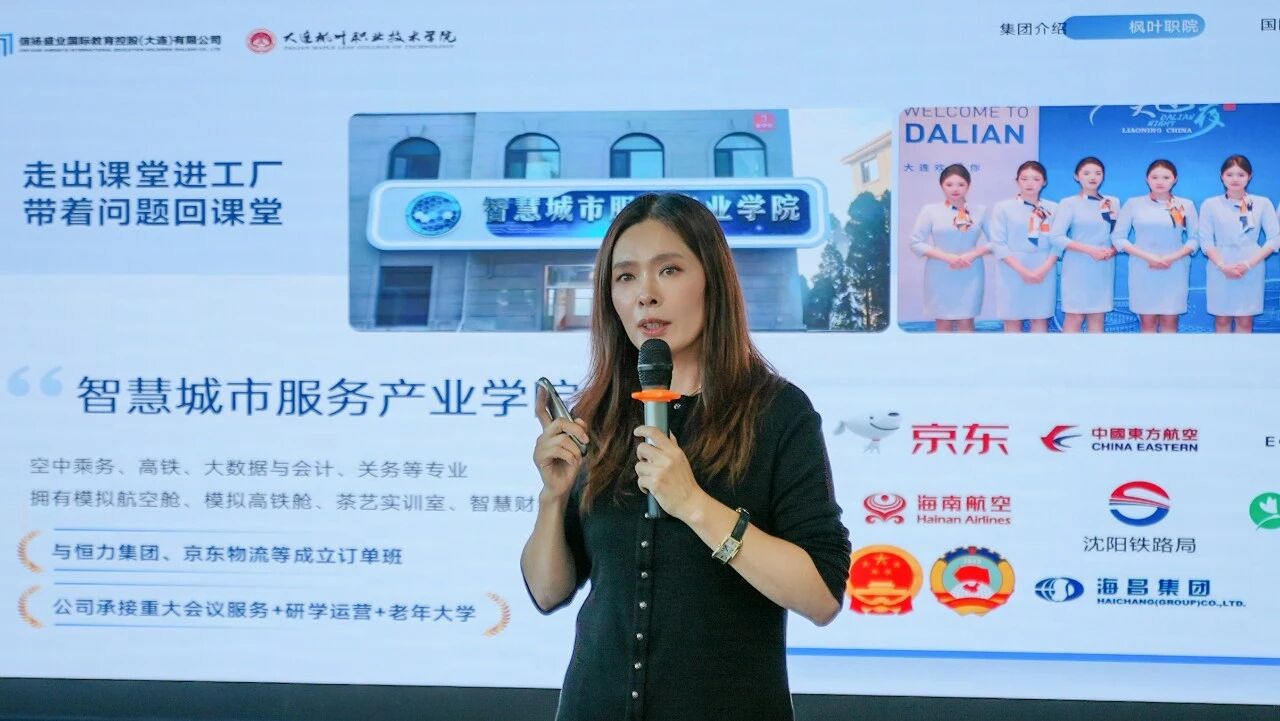
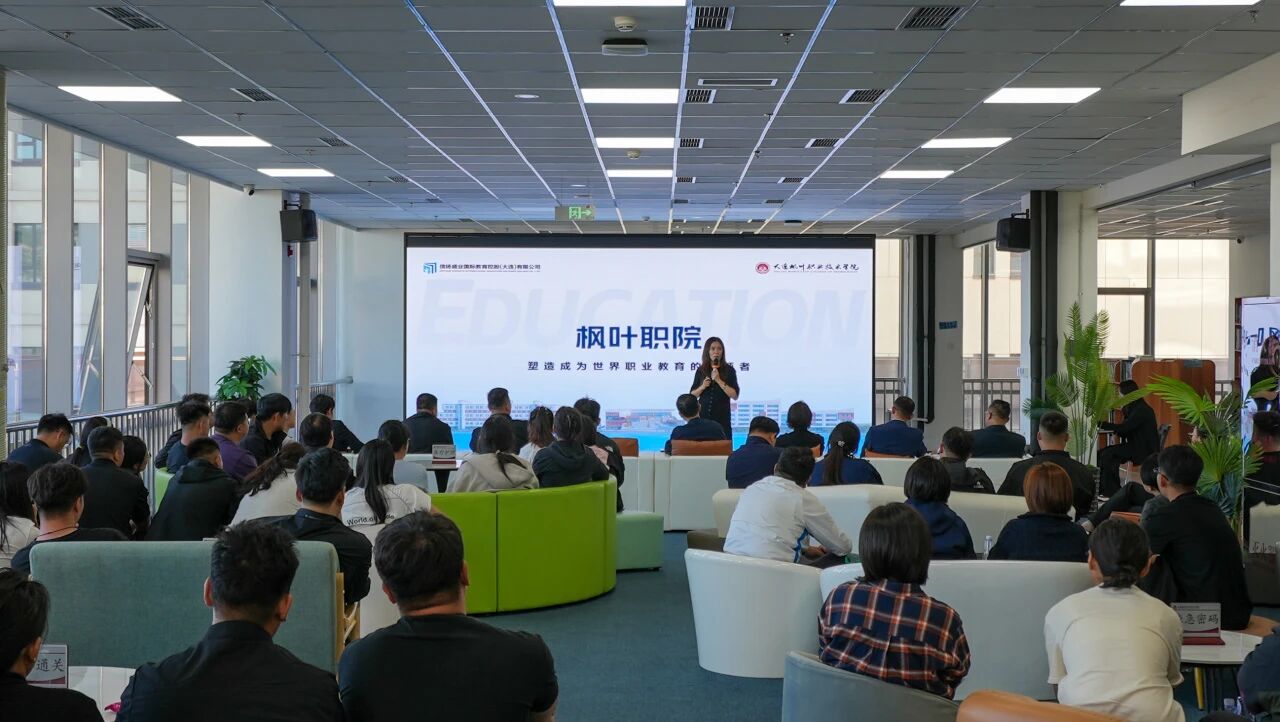
On the afternoon of October 6, Yang Ping, Chair of the Board of Xinyang Shengye International Education Holdings (Dalian) Co., Ltd. and of Dalian Maple Leaf College of Technology, delivered a special training session. Chair Yang Ping introduced the group's platform advantages and the positioning of the counselor role. The group has established an angel investment fund, and its talent dispatch and international education businesses are steadily expanding. As the only vocational college in the province approved for a Social Science Fund project, the college is making orderly progress on the construction of its Phase II campus; the campus will bring in real enterprises, making it convenient for students to participate in practical projects on campus and earn remuneration. She emphasized that counselors are key figures who accompany students through three years of growth and shoulder a sacred educational mission; they should learn from the dedication of Teacher Qu Jianwu, base their work on students' actual needs, and resolutely reject formalism. Counselors must maintain love, patience, and perseverance, and be good at discovering students' strengths. This year's Counselors' Day will pool collective wisdom to expand and improve quality, creating a holiday exclusive to counselors. At this new stage of high-quality development for both the group and the college, it is all the more necessary to adhere to the principle of seeking truth and being pragmatic, steadily advance all work, and guide all student-affairs staff to uphold a down-to-earth, action-oriented spirit.
Shifting Mindsets to Skillfully Guide Growth
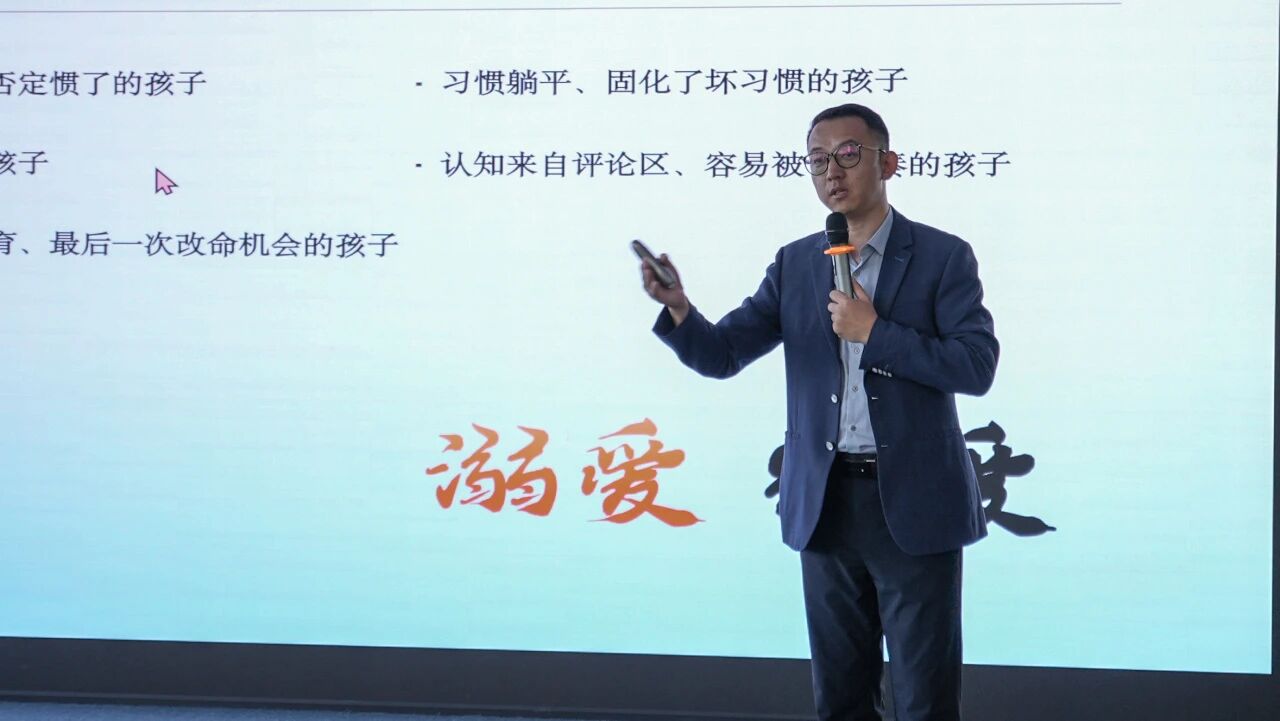
On the afternoon of October 6, Ailis, General Manager of Xinyang Shengye International Education Holdings (Dalian) Co., Ltd. and Vice President of Dalian Maple Leaf College of Technology, shared insights under the topic "Practical Methods for Guiding Students with a Marketing Mindset." Combining the characteristics of today's student population, the sharing emphasized the important educational mission borne by counselors. A stage-by-stage approach to education was proposed on site: the first year focuses on building trust, the second year on cultivating independent thinking, and the third year on concentrating on career planning. Counselors were advised to build distinctive class brands and use management tools to enhance the scientific rigor of their work. At the same time, they were encouraged to pay more attention to key student leaders in their classes, draw on excellent educational cases, and continuously improve their own comprehensive competence, influencing students with their own value and warmth.
Understanding Teaching, Educating within the Rules
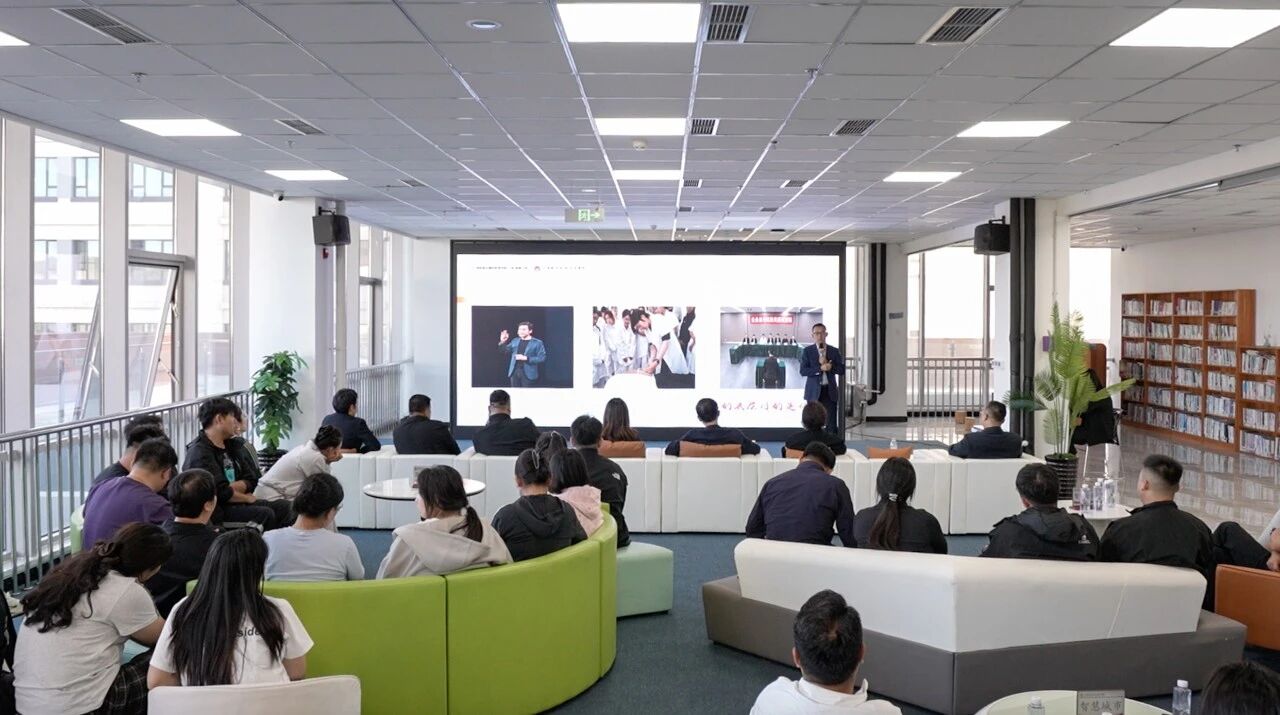
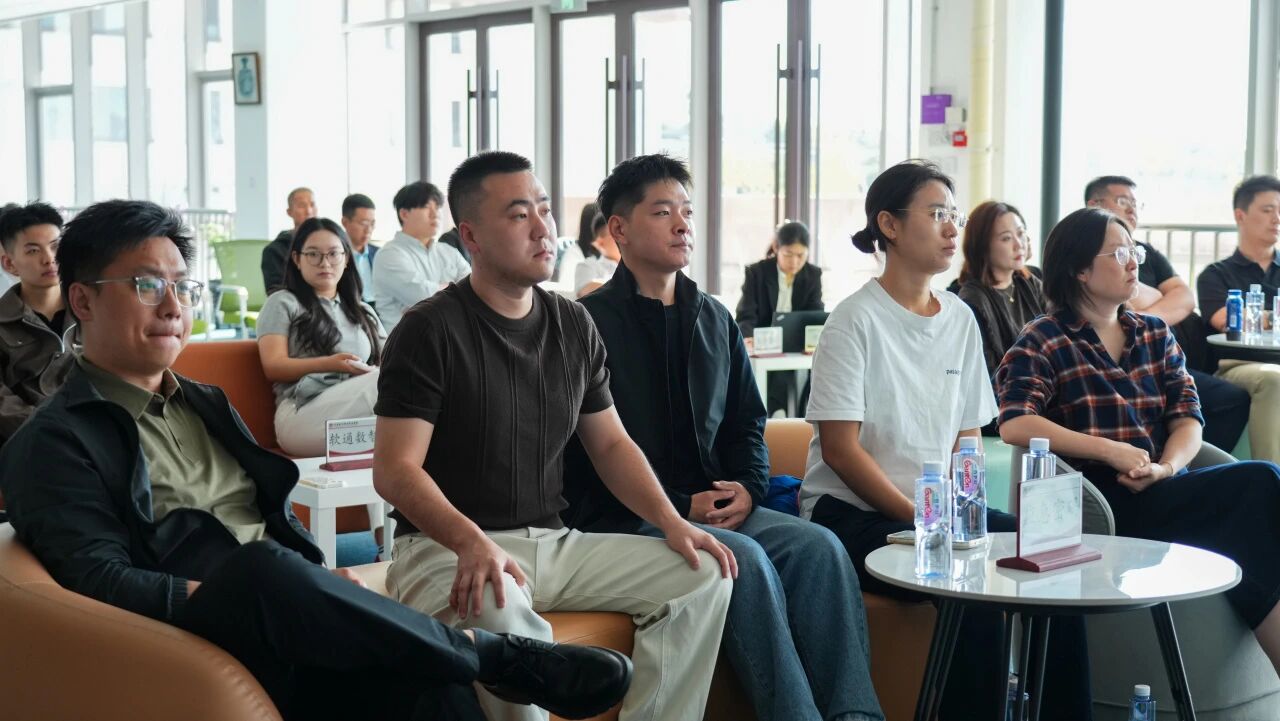
On the morning of October 7, Liu Yangwei, Director of the Academic Affairs Department, conducted a special training session for counselors on teaching work under the topic "Understanding Teaching from 'Macro to Micro.'" The training interpreted teaching-related work layer by layer along three dimensions—macro, meso, and micro: at the macro level, it guided counselors to understand the talent cultivation plan and provide sound academic guidance to students; at the meso level, it interpreted relevant policies such as credit recognition and transfer and micro-major development; at the micro level, it systematically explained teaching management systems such as makeup exams and retakes, academic early-warning, and classroom management, and distilled the "four in place" requirements for counselors' teaching work. The training proposed that the implementation of systems must have force, and educational work must have warmth all the more, and that talent cultivation goals must be earnestly implemented throughout the entire process of students' growth.
Broadening Pathways, Supporting Further Education
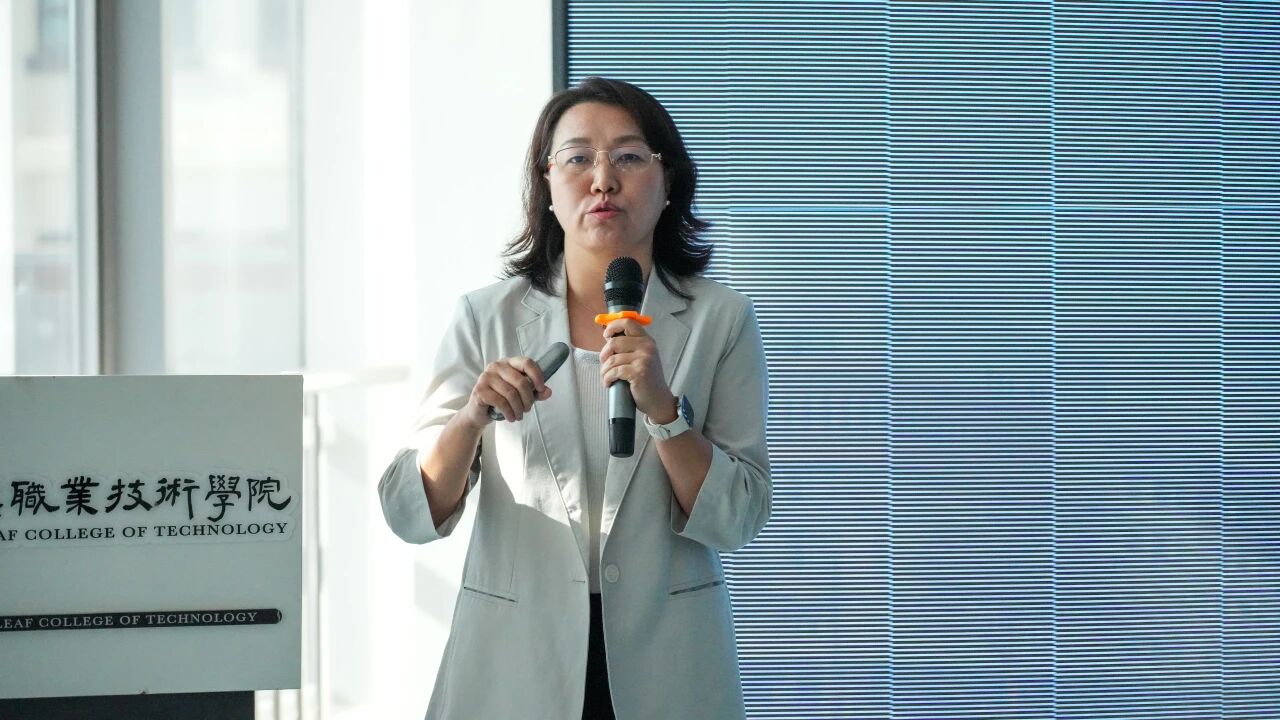
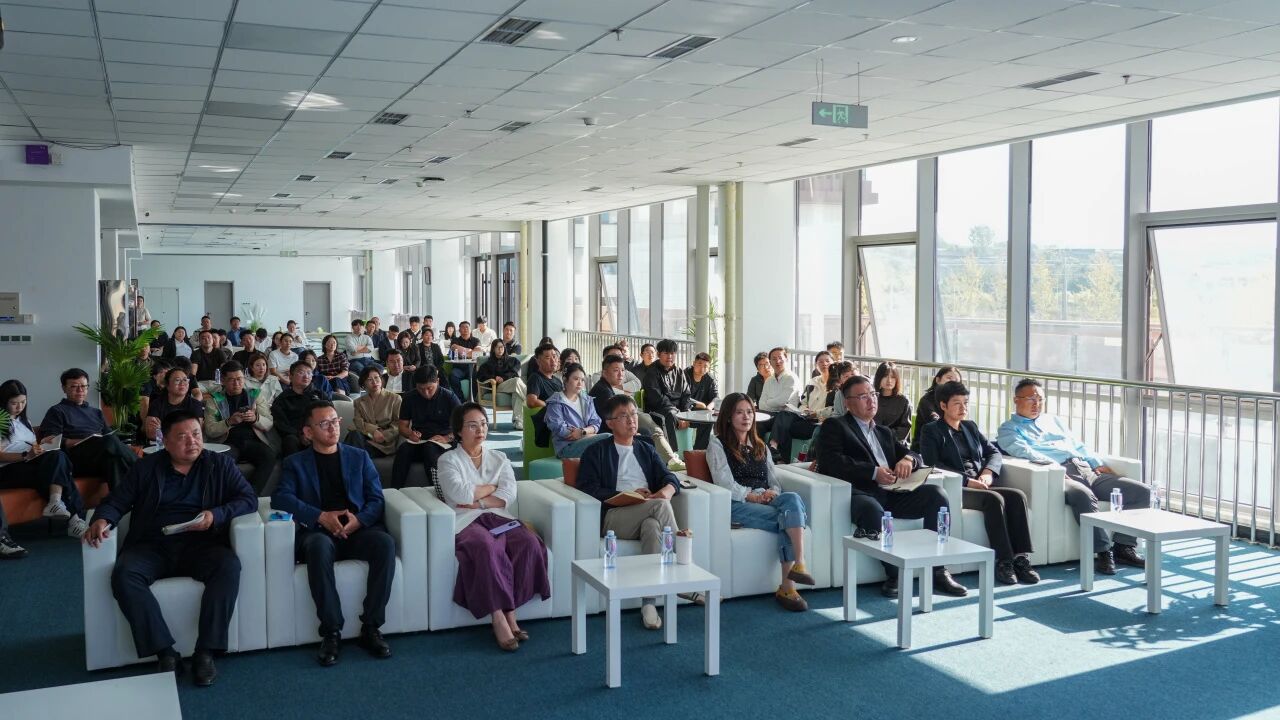
Wang Zhongze, Dean of the School of Continuing Education and International Cooperation and Exchange, gave a special project introduction. He focused on explaining the advantages of our college's "upgrade to a bachelor's degree" (zhuan sheng ben) further-education program. In light of Liaoning Province's admissions policies, local "upgrade to a bachelor's degree" programs have relaxed eligibility, broad choices for application, and highly recognized academic credentials from the unified recruitment track, providing students with a high-quality policy channel to advance their education. Relying on a systematic cultivation model featuring refined tutoring and full-cycle tracking, the school has solidly supported students in improving the quality of their further education, accumulating good outcomes and a strong reputation in this regard. At the same time, he introduced the college's international education development layout: international student recruitment has begun to bear fruit, and the college will continue to deepen cooperation with renowned overseas universities and build an international further-education platform integrating bachelor's, master's, and doctoral studies, comprehensively broadening the pathways for students to grow and succeed.
Certificate Awarding and Graduation: Setting Sail on a New Journey
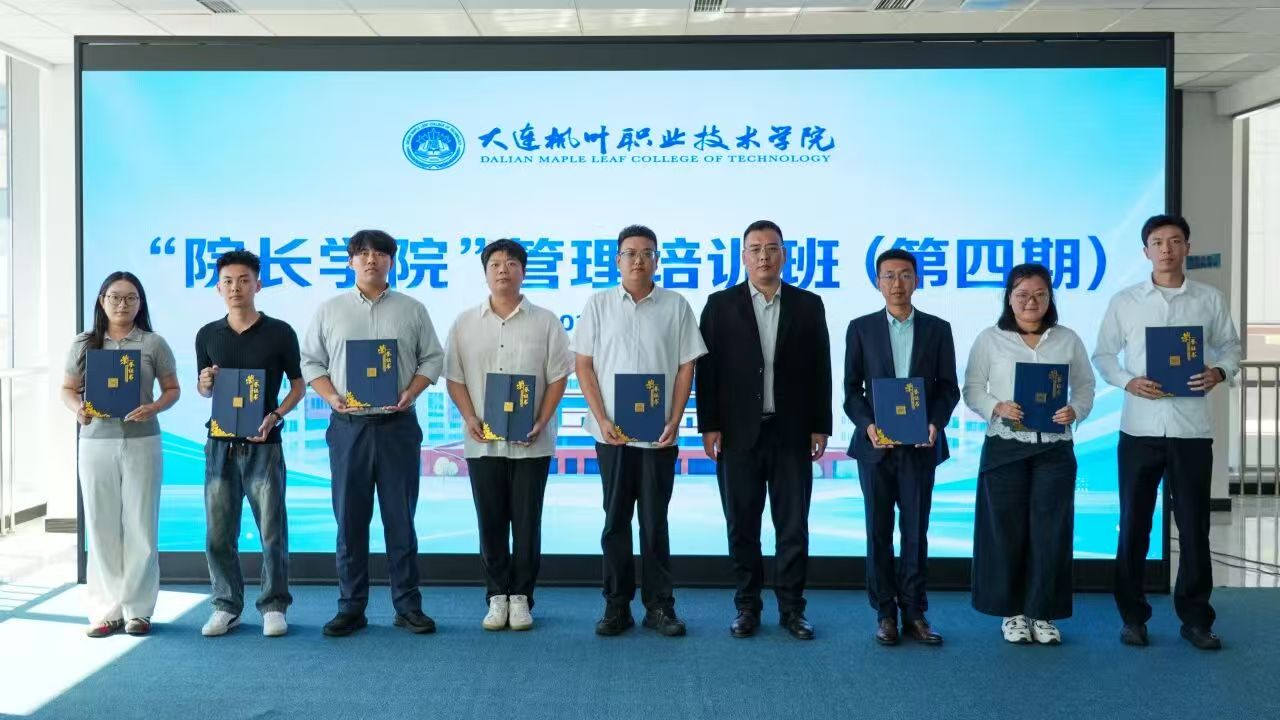
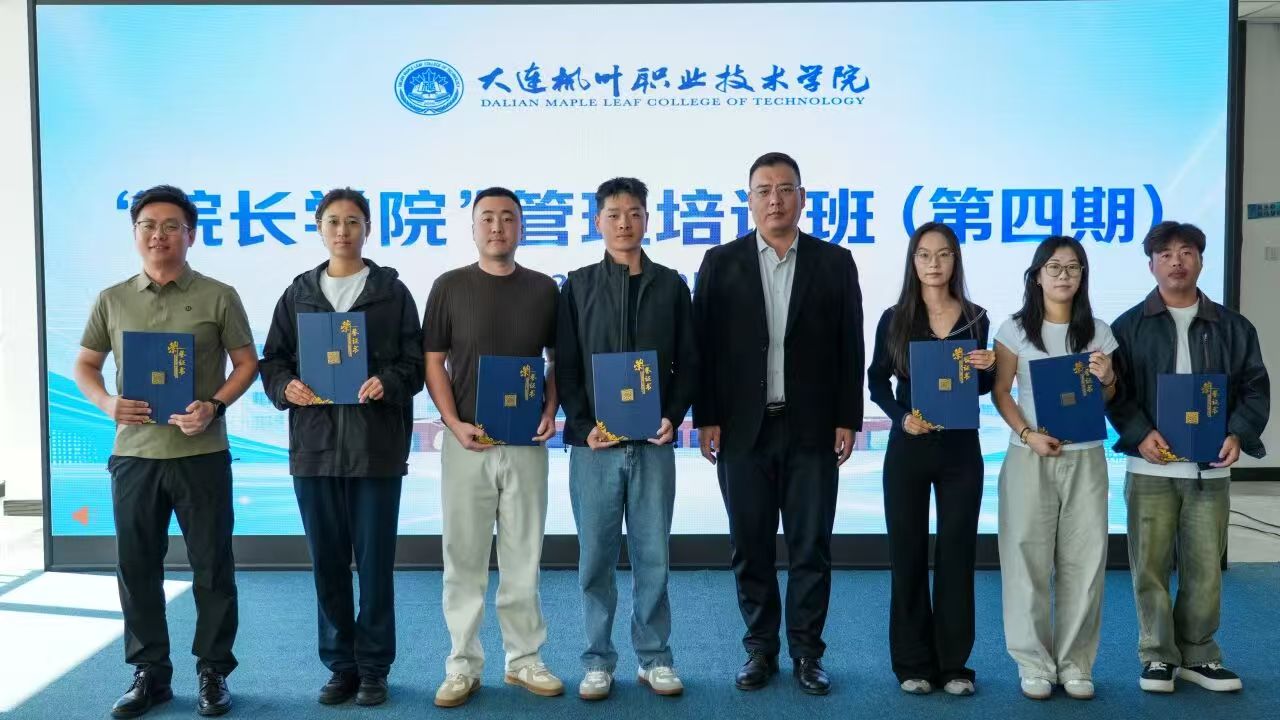
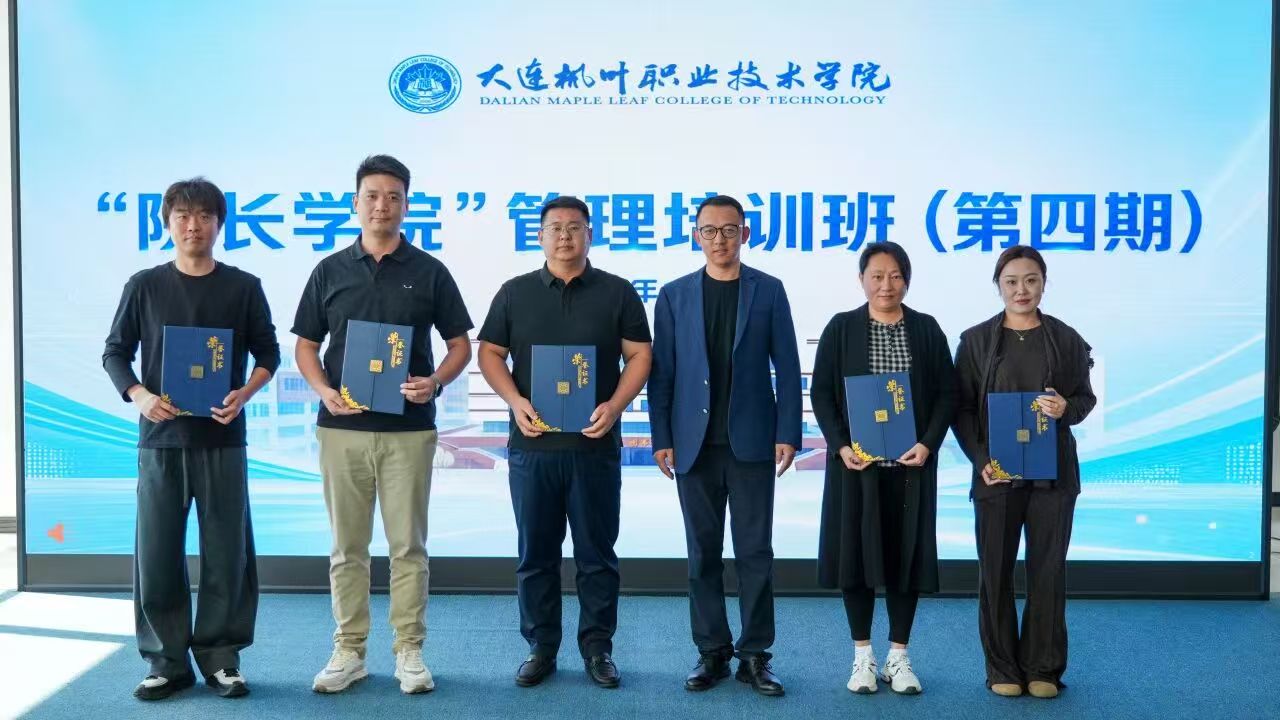
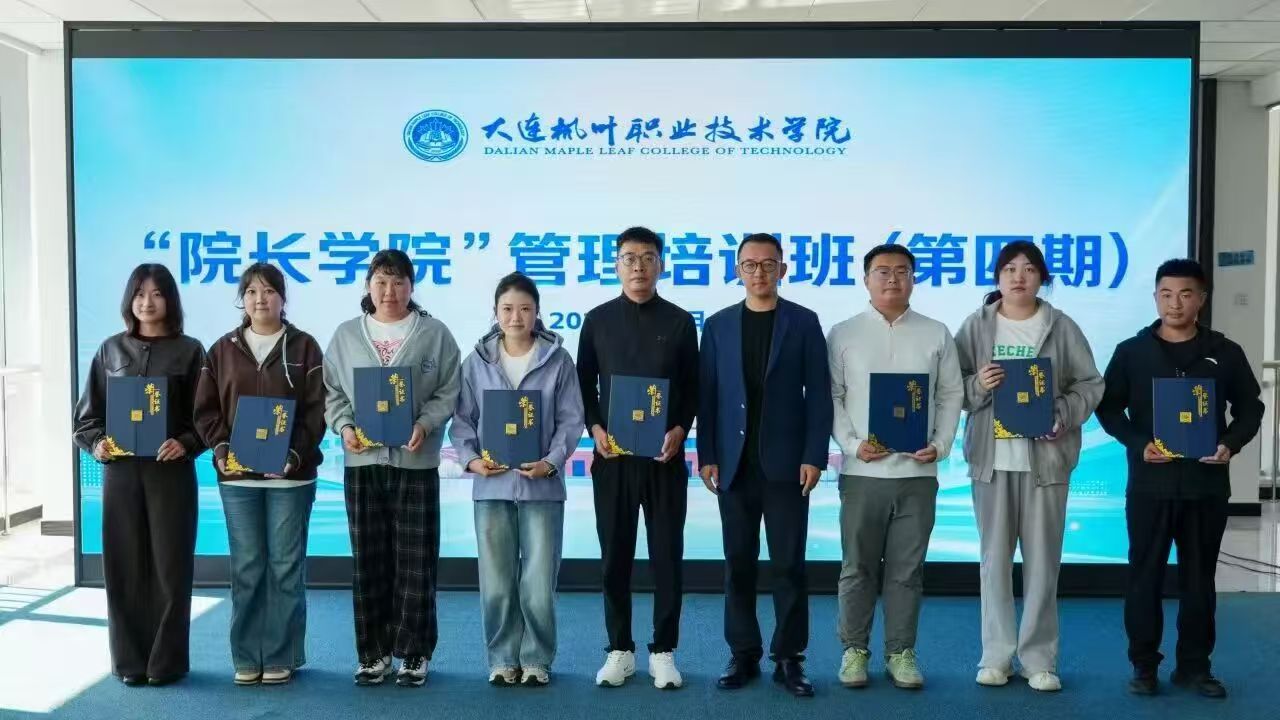
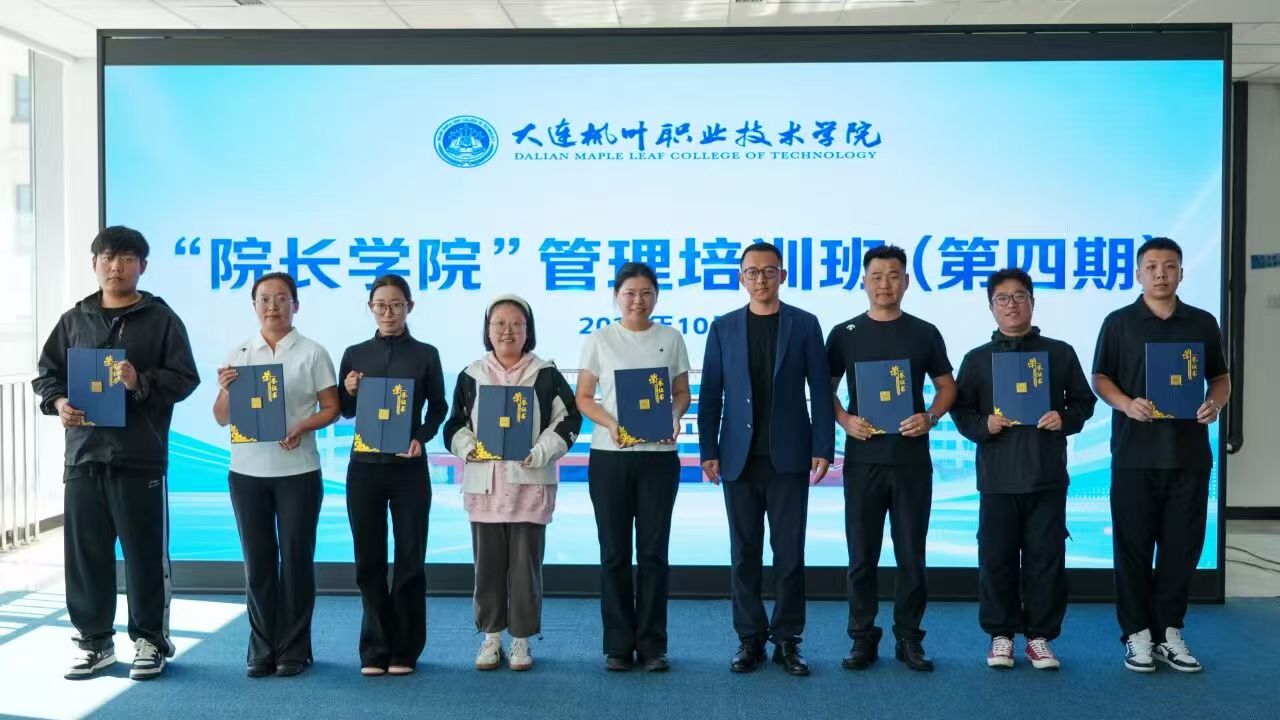
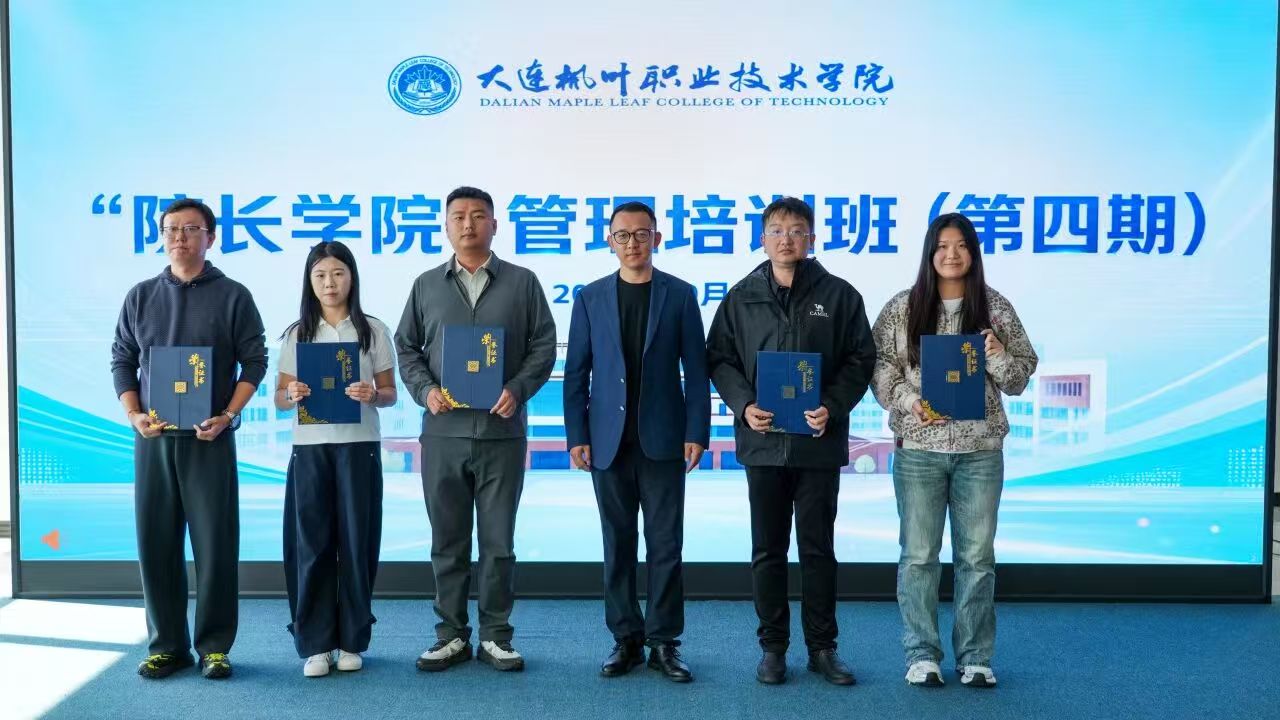
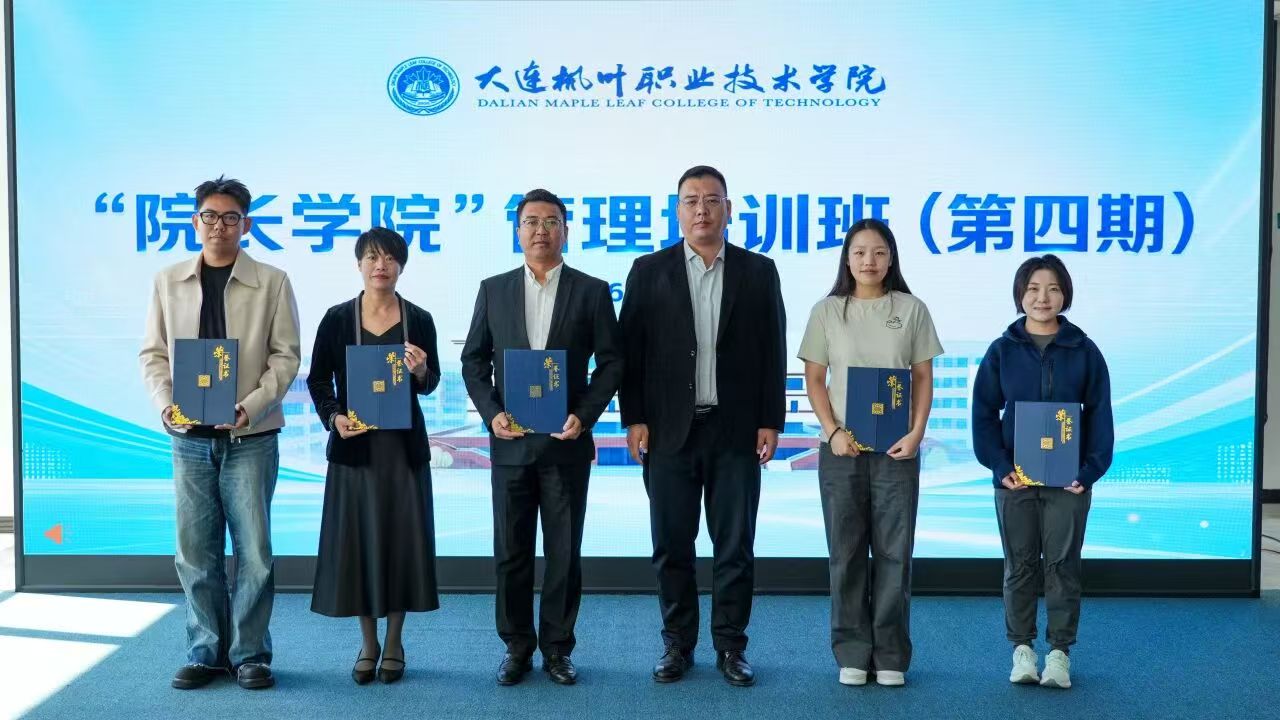
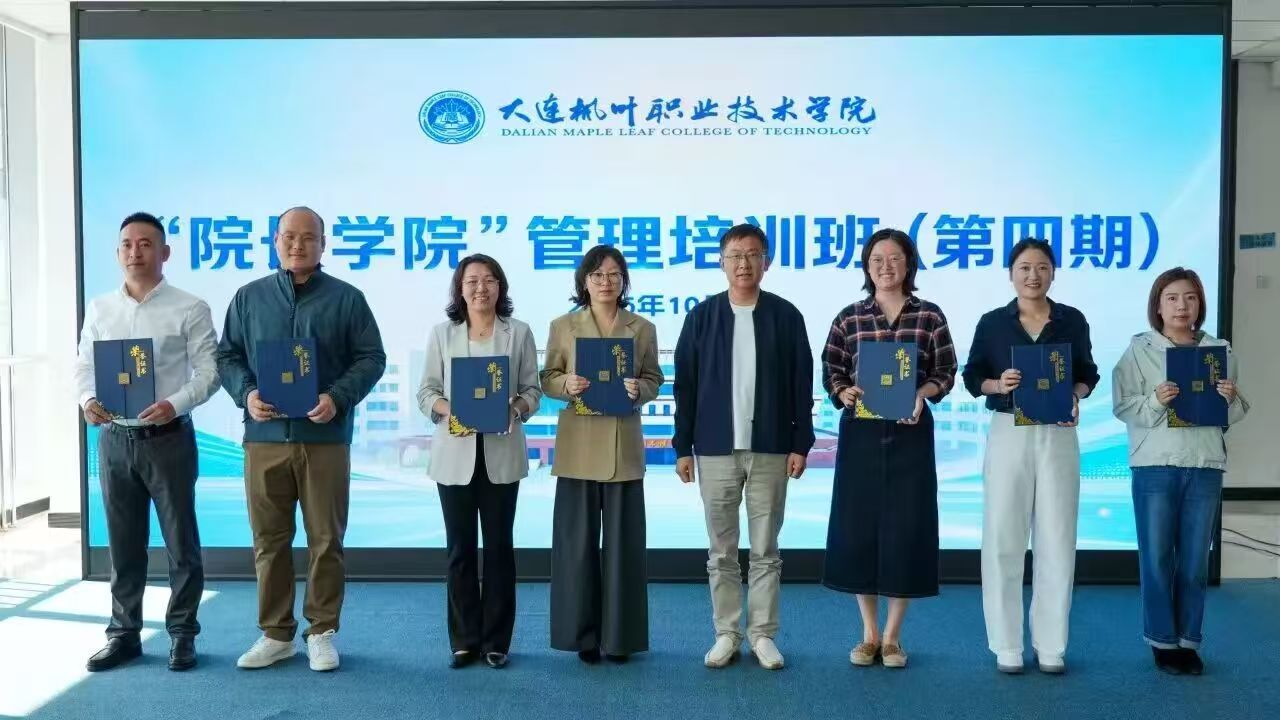
At the close of the training, the fourth session of the "Dean's College" Management Training Program held its graduation and certificate-awarding ceremony. University leaders presented completion certificates to each participant one by one, formally bringing the three-day special training to a successful conclusion. The training was substantial in content, closely aligned with practical work, and highly targeted, comprehensively consolidating the professional competence, performance capability, and educational foundation of the student-affairs team. All participants gained knowledge, reflected with insight, and advanced in action, and expressed that they would transform what they learned, thought, and realized in this training into tangible results in their duties, deepen their educational work from their posts in a pragmatic and determined manner, and, with a brand-new working posture, propel the high-quality development of the college's student-affairs and educational work.
Review and Summary: Moving toward the Practical
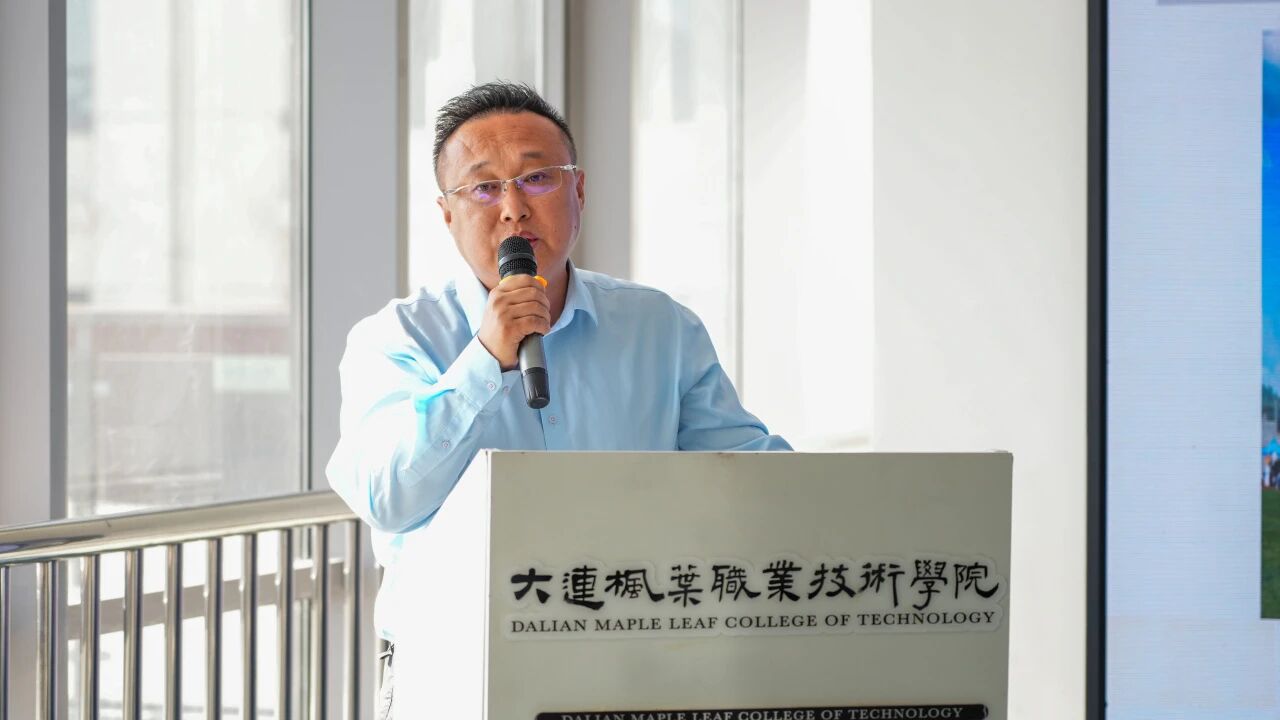
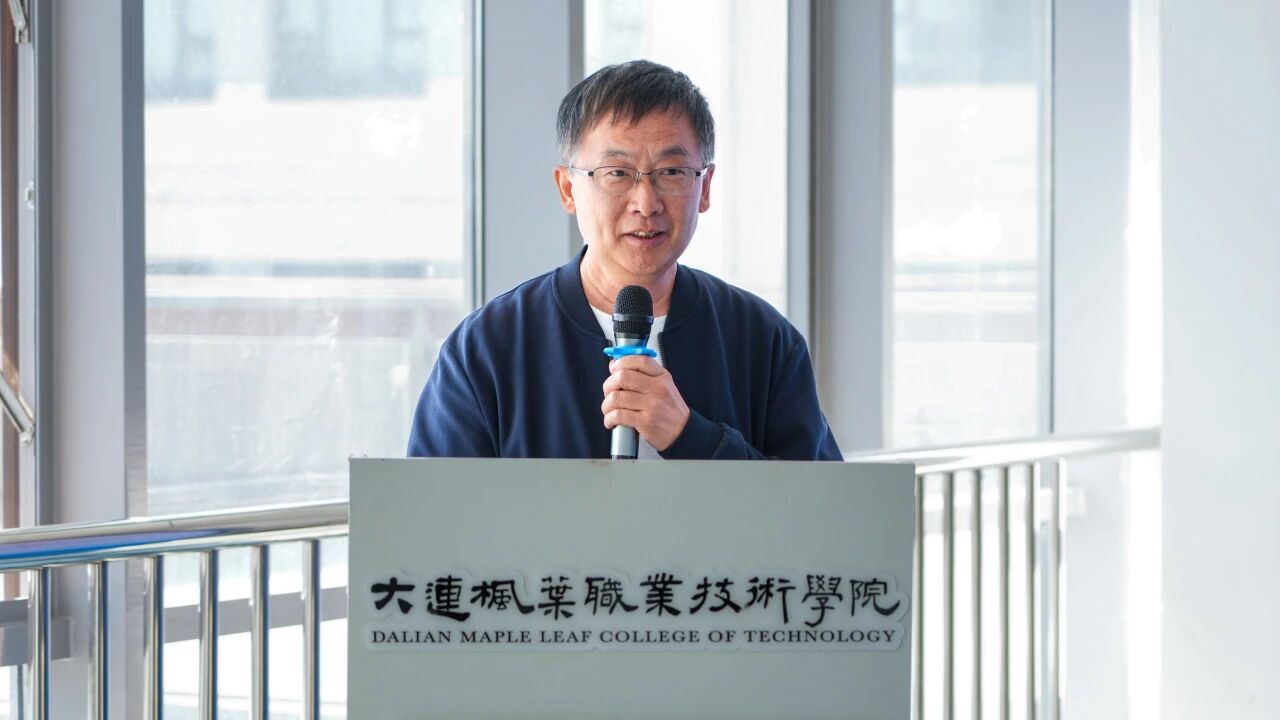
At the graduation ceremony, Yang Jie, President of Dalian Maple Leaf College of Technology, delivered a concluding speech. Based on the content of this training session, he deployed key tasks and clarified development requirements along four dimensions: team building, management assessment, talent cultivation, and group development. He stated that the core goal of the series of trainings is to forge a collaborative and efficient educational team, and encouraged all faculty and staff to strive to be guiding mentors for students' growth, steadily advance the building of entrepreneurship clubs, and activate educational vitality. In terms of management assessment, the college adheres to an assessment system that combines problem orientation, result orientation, and process management, using actual work performance to test the effectiveness of duties. In talent cultivation, it is necessary to fully consolidate the responsibility of all staff for education, steadily advance the implementation of micro-majors and micro-credentials, explore innovative mechanisms for credit recognition, and keep pace with the trends of the intelligent era to iteratively optimize talent cultivation plans. At the same time, the speech fully affirmed the group's outstanding development achievements in the new economy and international education, demonstrating the college's high-quality development platform and strong growth momentum. President Yang Jie encouraged all faculty and staff to uphold the original aspiration of education, cherish the mission of nurturing, deepen their skills from their posts, strive for practical results, proactively adapt to the college's development rhythm, and achieve joint growth of individuals and teams in the pursuit of quality and efficiency.
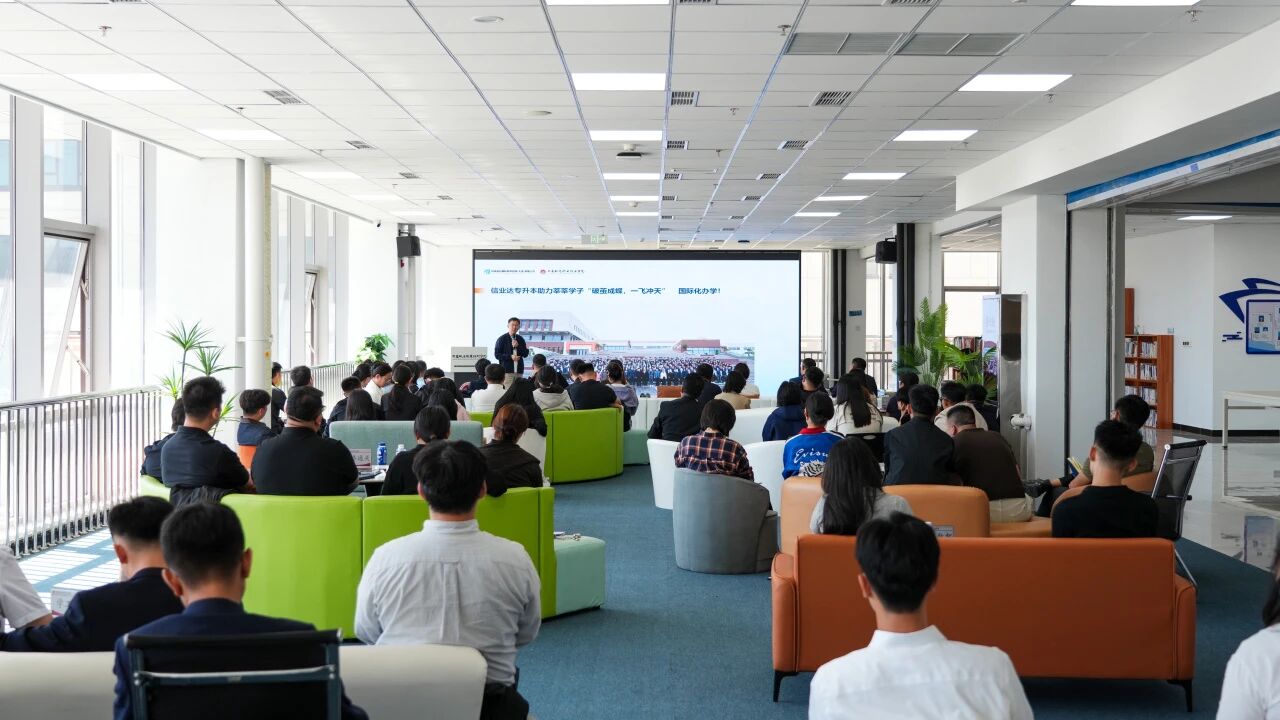
This three-day special training progressed layer by layer, packed with substance and pragmatic precision. From identifying shortcomings and targeted rectification, to quality expansion and ideological tempering, to in-depth policy explanation and methodological empowerment, each segment was interlinked and precisely empowering, comprehensively enhancing the comprehensive competence and performance capability of the student-affairs team. All participants benefited greatly and were deeply impressed, and expressed that they would internalize what they learned in the training and externalize it in their duties, earnestly applying the work methods and educational skills they acquired to the front lines of class management and student service, fulfilling their responsibilities with a more solid work style and more professional educational capability, striving in earnest, and fully empowering students' growth and success in the new era, so as to further improve and upgrade the college's student-affairs and educational work.