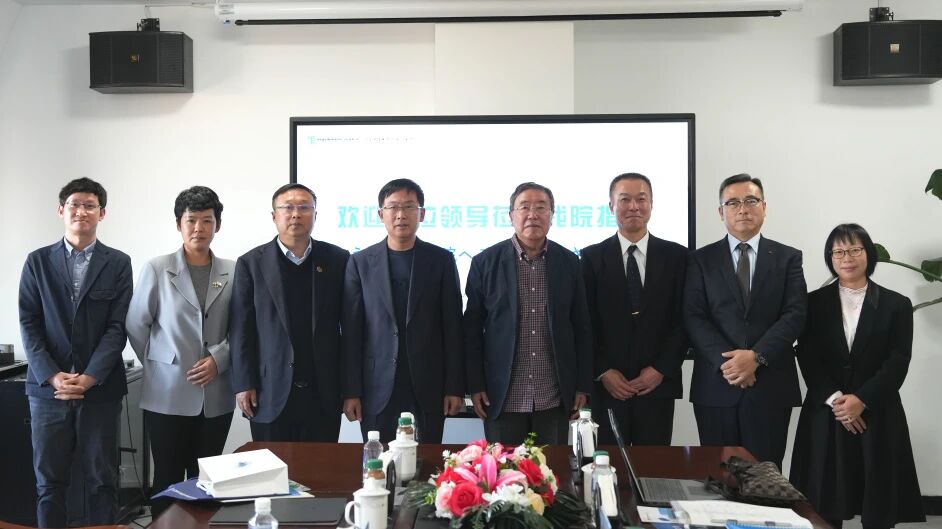
On November 9, a delegation led by Professor Wei Gong, Assistant to the President of Josai International University (JIU) of Japan, visited the Daheishi Campus of Dalian Maple Leaf College of Technology. Both sides engaged in in-depth exchanges on cooperation in nursing and elderly care fields.
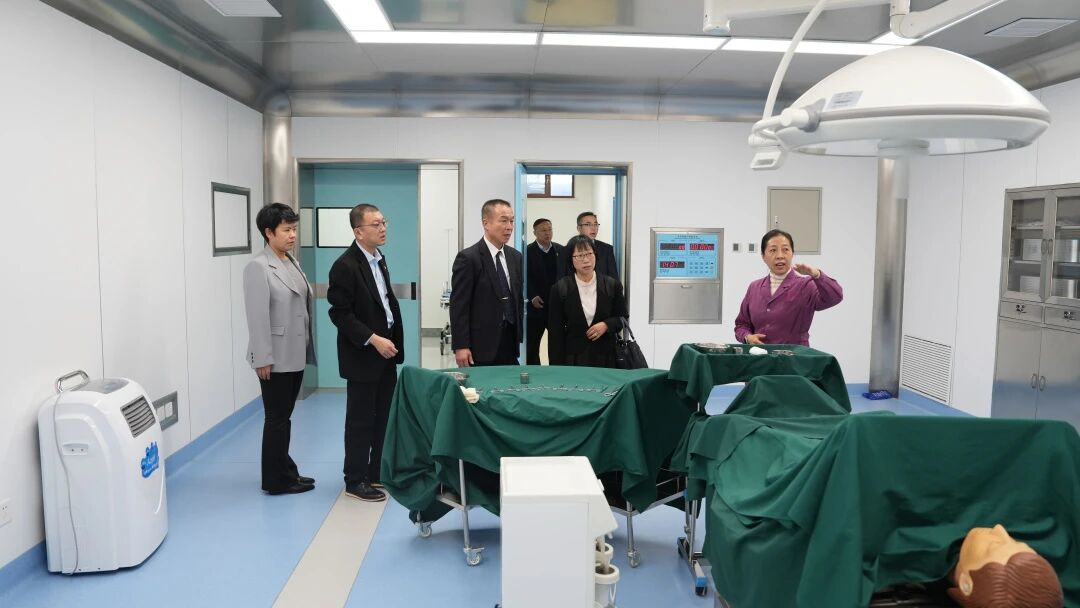
Accompanied by Wang Zhongze, Dean of the School of Continuing Education and International Cooperation and Exchange; Wang Shan, Dean of the Nursing Industry School; Jin Bowen, Director of the International Affairs Office; and Yu Xiangxiang, Academic Director, the Japanese delegation toured the practical training laboratories of the Nursing Industry School, the campus hospital, and the practical training examination facilities, highly praising the college's advanced practical teaching conditions for nursing. Subsequently, both sides held a cooperative seminar, reaching consensus on talent cultivation, academic exchanges, and other aspects.
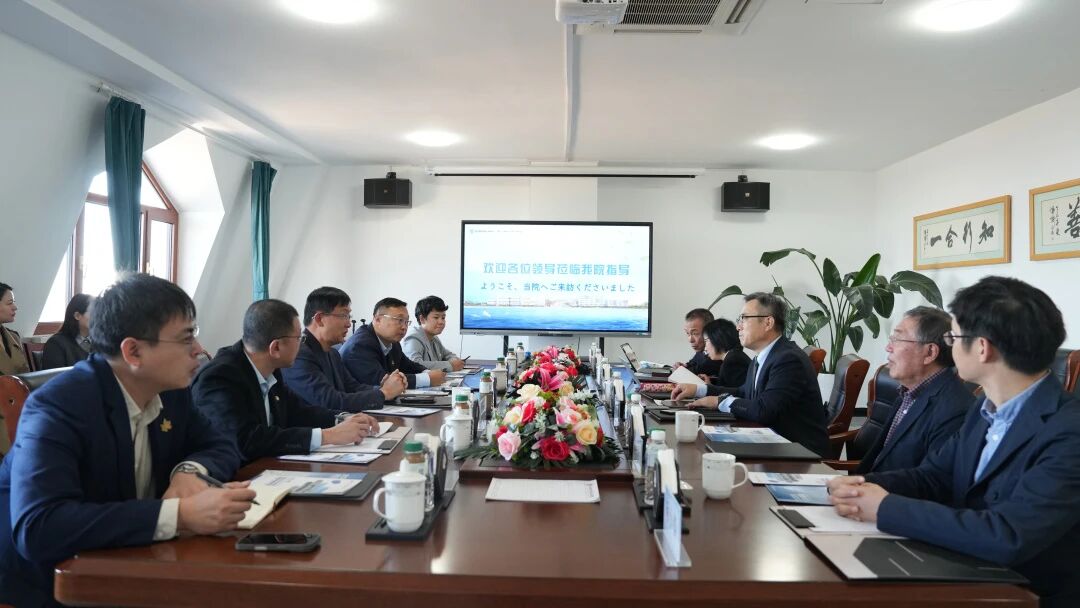
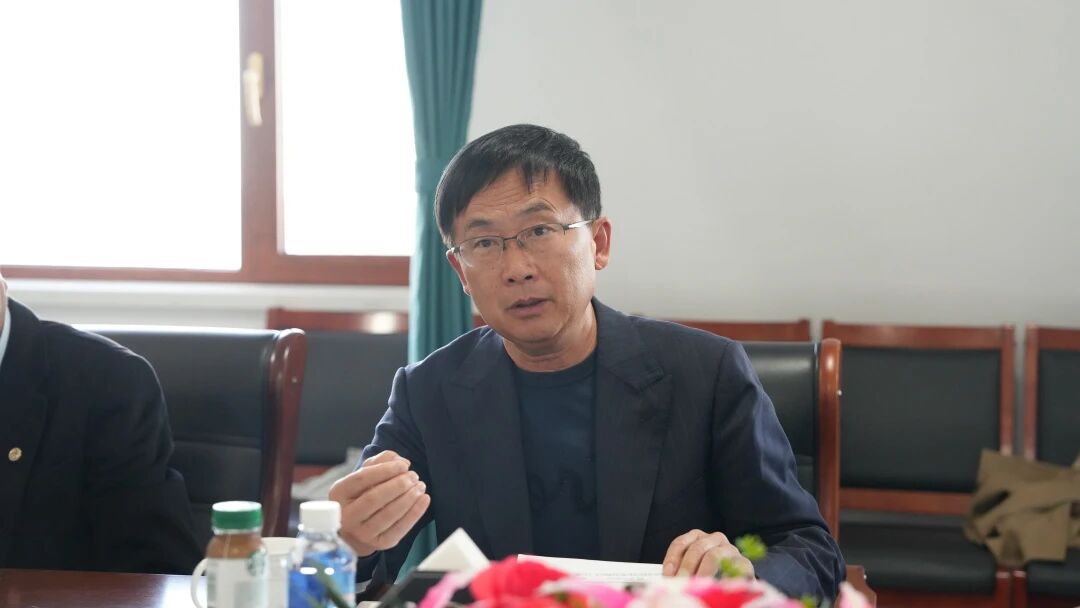
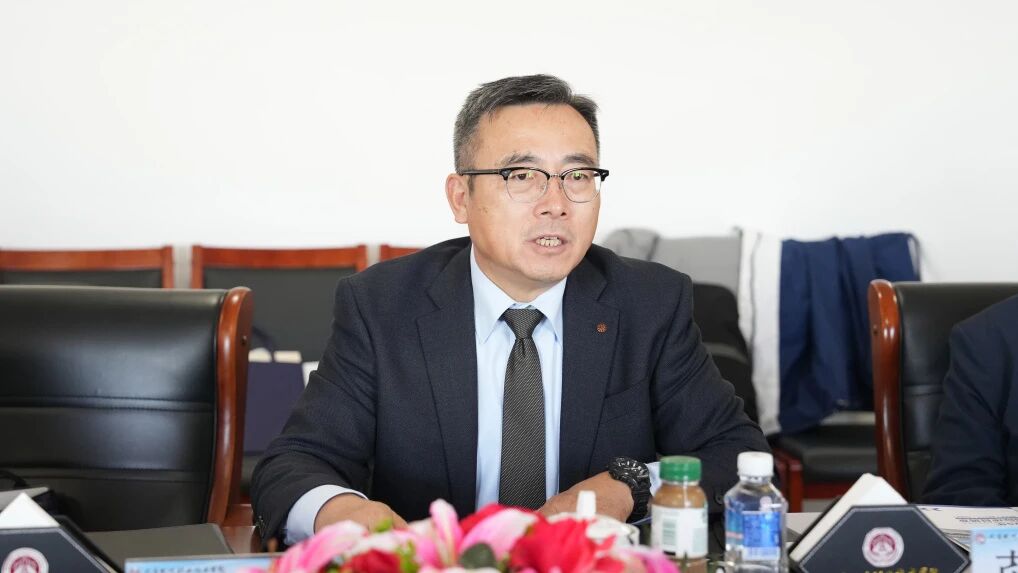
At the seminar, President Yang Jie first expressed warm welcome on behalf of the college to Professor Wei Gong and his delegation, and elaborated on the development history of Maple Leaf College, the disciplinary construction achievements in nursing and elderly care programs, and the characteristics of internationalized education. He pointed out that in recent years, the college has actively explored collaborative talent cultivation mechanisms with international universities through the "Nursing Industry School" model, hoping to use this cooperation as an opportunity to introduce Japan's advanced elderly care education concepts and resources.
Professor Wei Gong and Professor Kouki Taniuchi respectively introduced the programs of the Faculty of Health Sciences at Josai International University and its previous international cooperation experience, particularly emphasizing the disciplinary advantages of the Faculty of Health Sciences in nursing, welfare, and elderly care fields. They expressed that both China and Japan face similar demands for elderly care talent under the background of aging societies, and the two institutions could build a multi-level cooperation framework through "2+2" or "3+2" credit transfer programs, student exchanges, and faculty mutual visits.
The visit by Professor Wei Gong and his delegation not only enhanced the college's influence in the field of international nursing and elderly care education but also provided students with a broader platform for international development. In the future, the two institutions will rely on their cooperation agreement to gradually implement specific projects such as joint training programs, collaborative faculty development, and scientific research cooperation, further promoting the complementary sharing of higher education resources between China and Japan.