On October 23, a delegation of more than twenty members from Dalian Polytechnic University, including Li Dong, Director of the Capital Construction Office; Zhou Yun, Director of the Archives (University History Museum) and Deputy Director of the Publicity Department; Zhang Zijian, Vice Dean of the School of Art and Design; Yang Wan, Director of the Education and Teaching Assessment Center; Yin Hongling, Secretary of the Joint General Party Branch of Teaching and Auxiliary Units; and Gao Lihua, Head of the Party Committee Inspection Team, visited our college for research and guidance. Yang Ping, Chair of the College Board; Wei Xiaofeng, Secretary of the Party Committee; Yang Jie, President; Gao Chenglin, Vice President; Jia Zhihai, Director of the Party and Government Affairs Office; Xue Fei, Director of the Publicity Department; and Wang Guangliang, Head of Capital Construction, attended the reception and participated in exchanges.
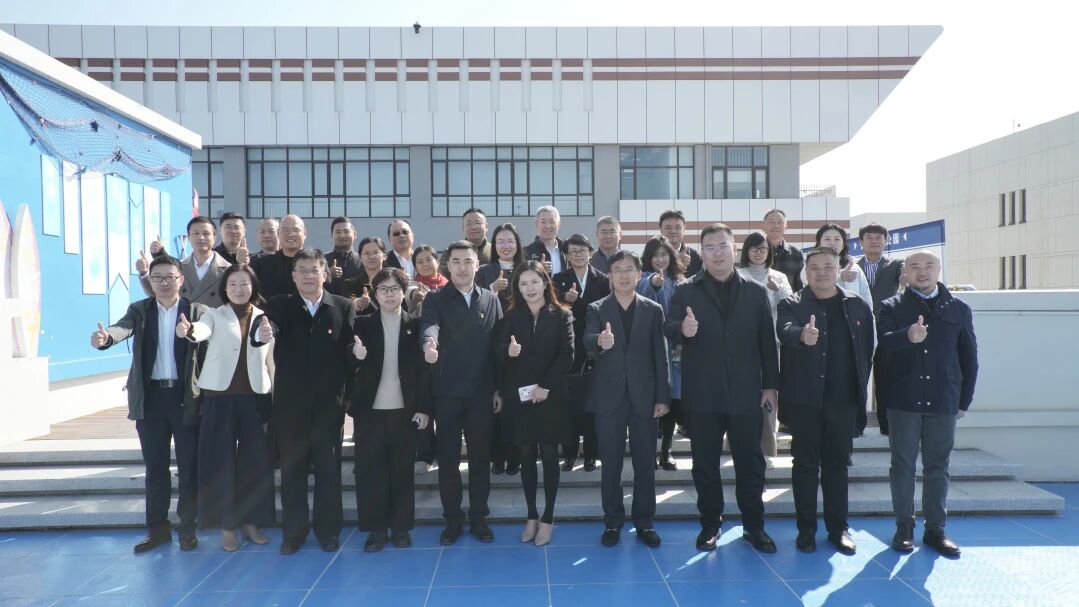
Chair Yang Ping expressed sincere gratitude to Dalian Polytechnic University for its continuous support to the college. She noted that this visit represents a further deepening of interaction following the Party building partnership established between the two institutions last week, fully demonstrating the close and pragmatic nature of the cooperation. When introducing the college's development, she elaborated on the strategic thinking behind the "dual-campus" construction and characteristic practices in industry-education integration and "bringing enterprises into the campus." Secretary Wei Xiaofeng extended warm welcome to the leaders from Dalian Polytechnic University, looking forward to drawing valuable experience from this opportunity while also hoping to promote the college's innovative approaches in integrating Party building with vocational education.
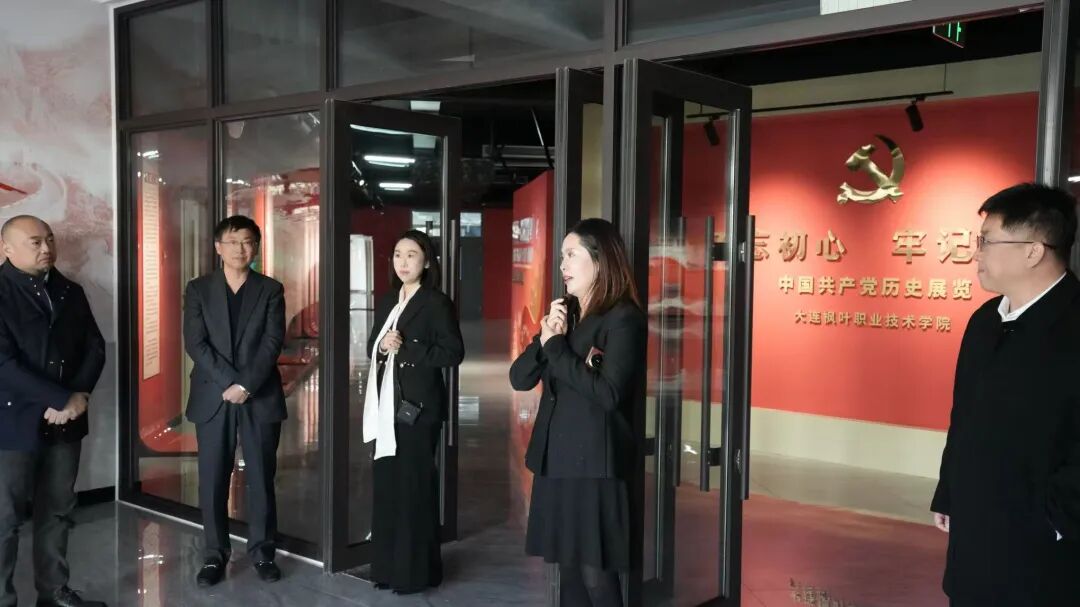
During the research visit, both sides toured the Open Party Building Exhibition Hall together. The immersive Party building education model and outstanding Party building leadership achievements in the hall earned high praise from the Dalian Polytechnic University delegation. At the Industry School, the college's talent cultivation mechanism with industry-education integration at its core and the educational characteristic of "university-enterprise collaboration, real-environment education" provided new perspectives for vocational education reform. The modern concepts in architectural design, application of green environmental technologies, and construction of a comprehensive education system also received widespread recognition.
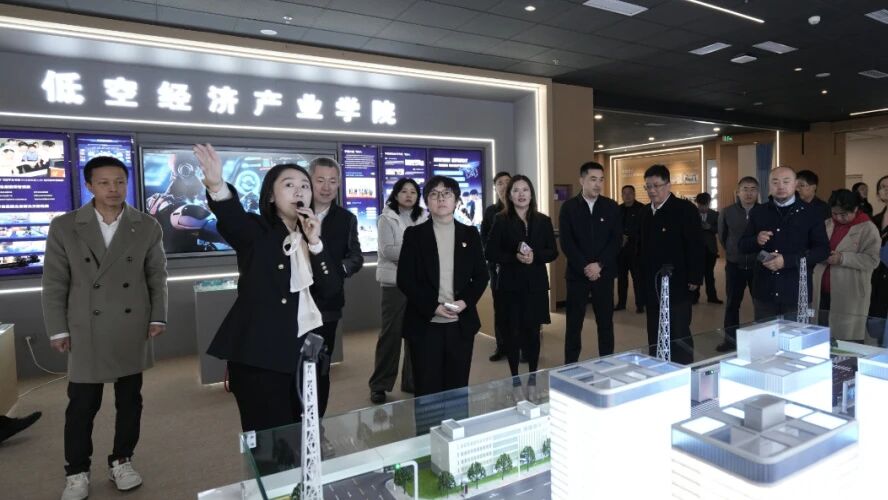
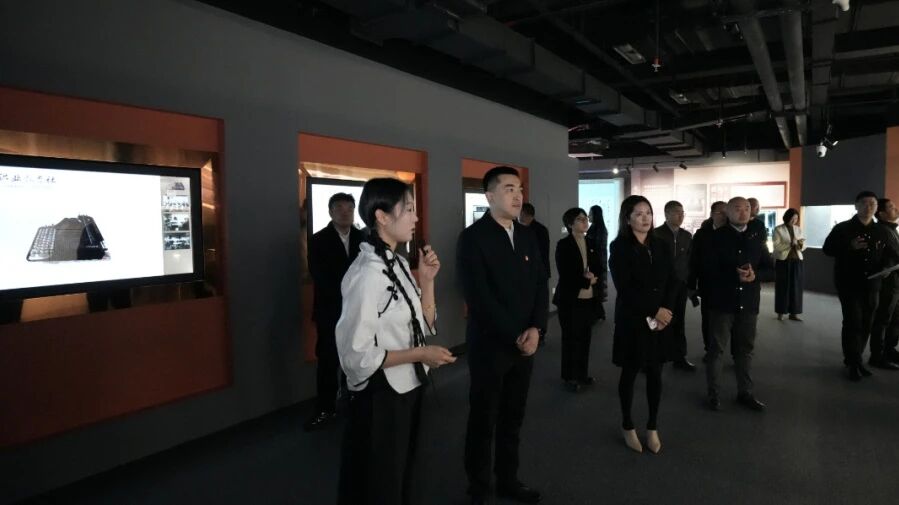
In the college's AI Equipment Exhibition Hall, the delegation from Dalian Polytechnic University observed on-site demonstrations of intelligent teaching equipment and personally experienced interactive teaching projects, giving full affirmation to the solid achievements in AI teaching practice and vocational education innovation. The group then proceeded to the History Museum of the China Association for Vocational and Technical Education, where the rich historical documents and modern digital exhibition methods complemented each other perfectly. Particularly, the innovative approach of vividly recreating historical scenes through holographic imaging and AI empowerment caused the guests to pause frequently and express admiration, with unanimous agreement that this truly achieved "letting history speak and empowering through technology," representing a exemplary work of deep integration between technology and educational publicity. Subsequently, the delegation visited the college's student dormitories, expressing appreciation for the excellent accommodation conditions and intelligent management model.
This research visit not only promoted the deepening and substantive development of cooperation between the two institutions but also achieved beneficial exchanges in multiple dimensions including cultural publicity, architectural design, and educational philosophy. As the next step, both sides will take this visit as a starting point to further refine cooperation plans in areas such as Party building collaboration, disciplinary and professional development, faculty cultivation, and student exchanges, promoting the implementation and effectiveness of various cooperative initiatives. They will work together to achieve a favorable situation of resource sharing, complementary advantages, and mutual development, contributing greater efforts to the development of regional education.