
To deepen the construction of the modern vocational education system and promote the connection between secondary and higher vocational education, Gao Hongyin, Dean of the Innovation and Entrepreneurship College of Dalian Maple Leaf College of Technology, recently joined core team members led by Lu Hui, Principal of Xinbin Manchu Autonomous County Vocational Education Center, for in-depth discussions on key topics including inter-school cooperation, industry-education integration, and joint talent cultivation. This formally established a cooperative bridge for the collaborative development of both institutions.
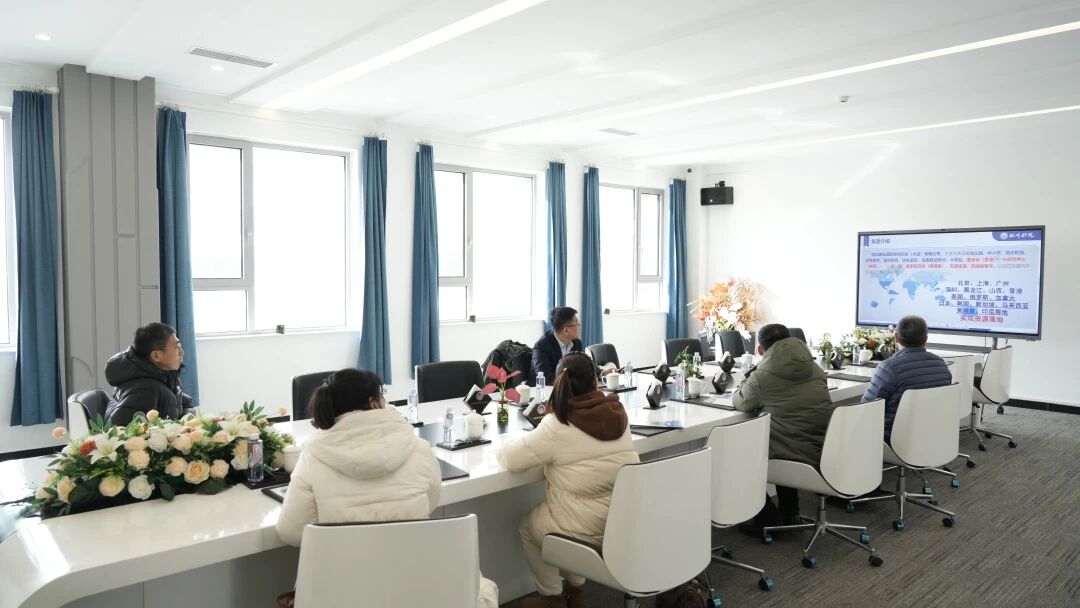
During the meeting, Dean Gao Hongyin provided a detailed introduction to our college's educational characteristics, achievements in innovation and entrepreneurship education, and advantages in higher vocational talent cultivation. He elaborated on core resources in professional program development, practical training facilities, and employment channels, proposing a cooperative framework centered on integrated secondary-higher vocational cultivation. This approach aims to promote joint curriculum development, resource sharing, and collaborative faculty training, helping students achieve dual advancement in both technical skills and academic credentials.
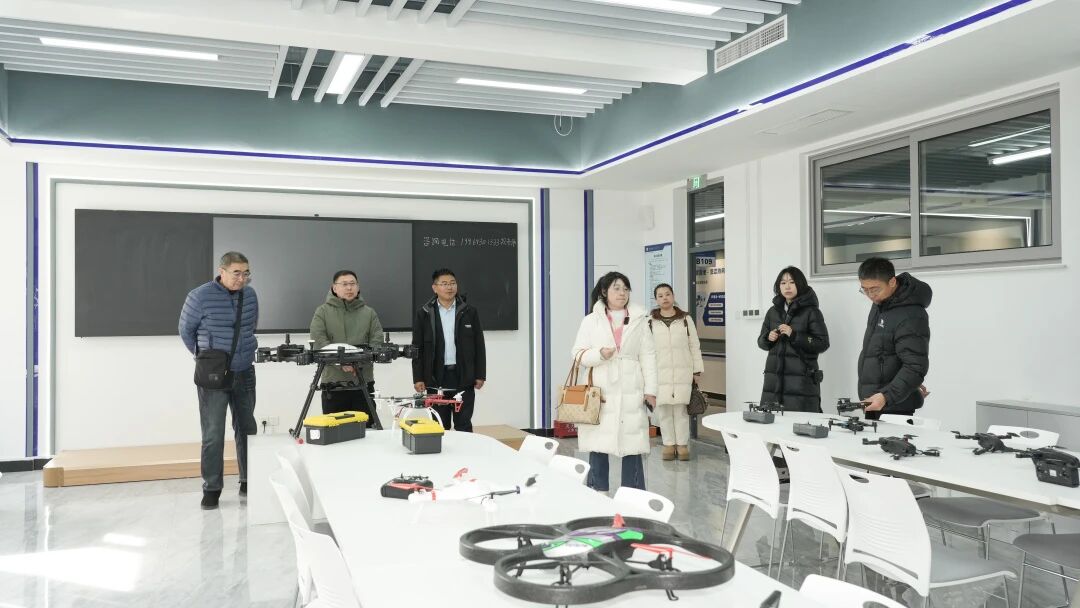
Principal Lu Hui, representing Xinbin Manchu Autonomous County Vocational Education Center, shared the school's educational positioning, foundational secondary vocational talent cultivation, and distinctive regional industry service features. He emphasized the cornerstone role of secondary vocational education in skilled talent development. He expressed his expectation to join hands with Dalian Maple Leaf College of Technology to open up the talent growth pathway from secondary to higher vocational education, leveraging quality higher vocational educational resources to optimize the talent cultivation chain, and building broader development platforms for students.
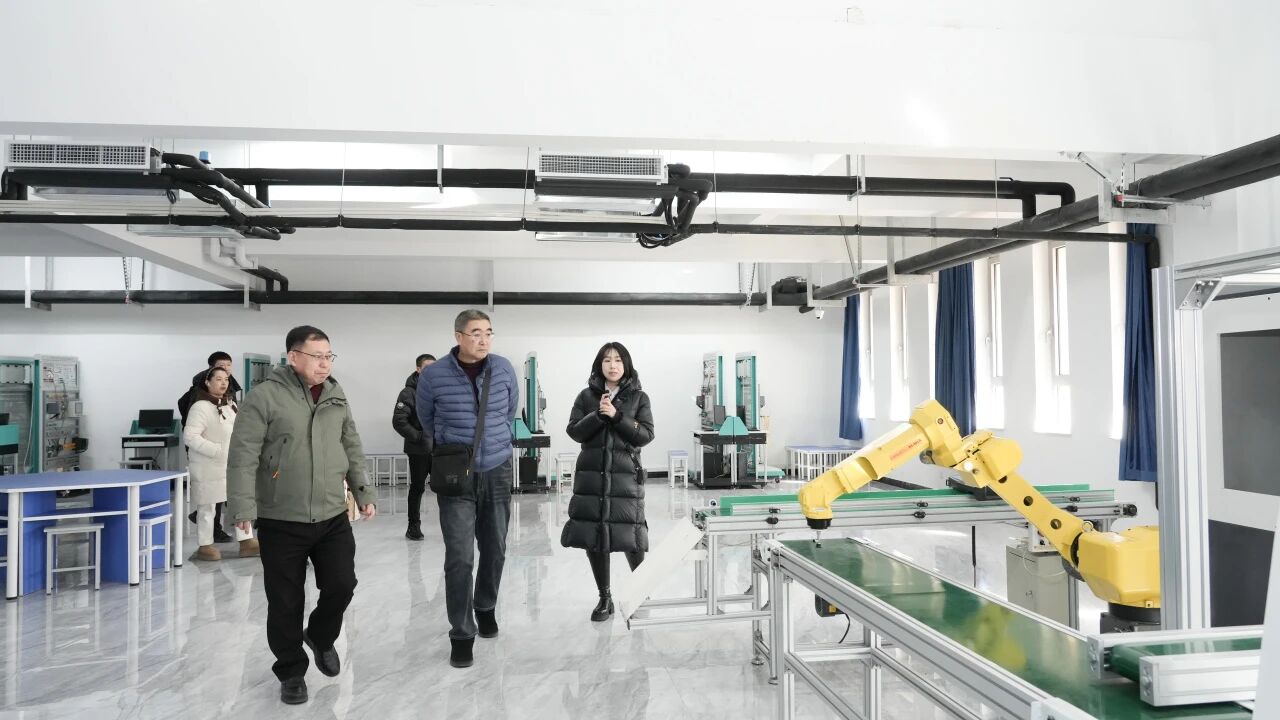
Both sides reached high consensus on core cooperation directions: going forward, they will focus on innovating the integrated secondary-higher vocational cultivation model, jointly developing unified talent cultivation programs to address challenges such as curriculum discontinuity and resource barriers. They will promote shared practical training bases and co-construction of quality courses, enabling secondary vocational students to connect with higher vocational teaching standards in advance. They will conduct two-way faculty exchanges and teaching research cooperation, jointly building "dual-qualified" teaching teams. Meanwhile, they will explore collaborative pathways for advancing innovation and entrepreneurship education, achieving precise alignment between talent cultivation and industrial demands.
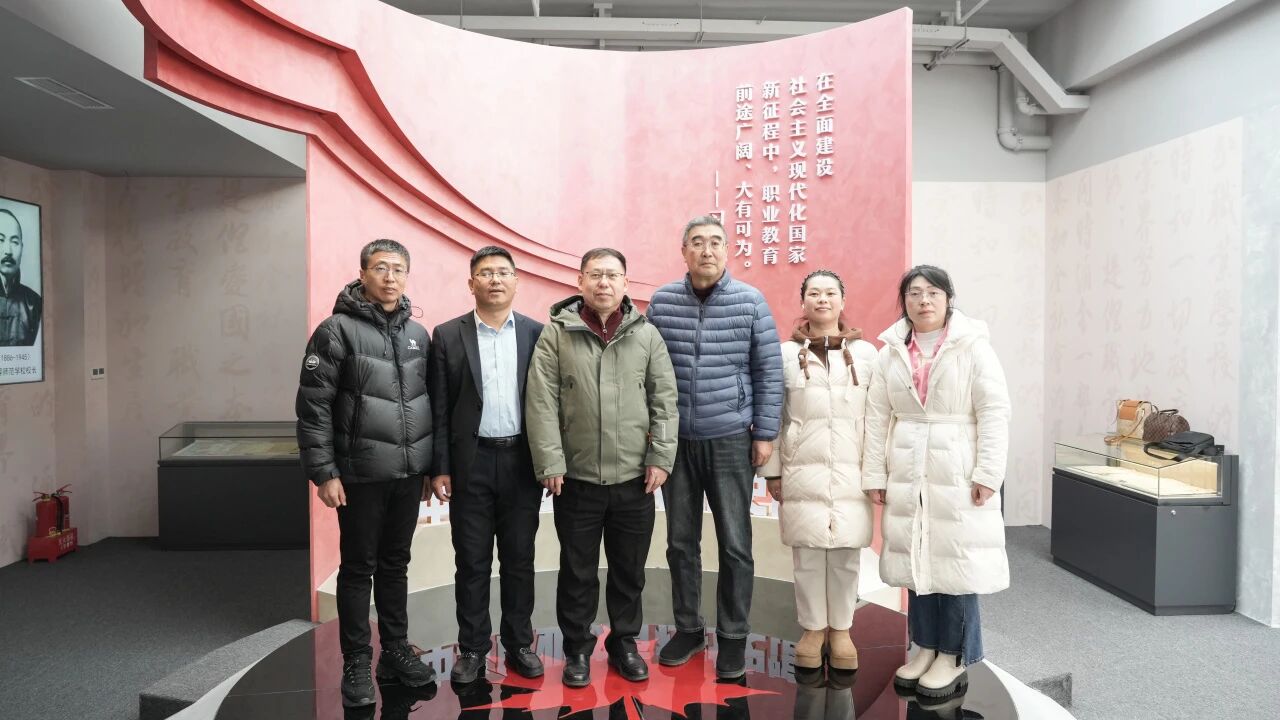
This inter-school negotiation represents a practical measure by both institutions in response to the reform requirements of modern vocational education system construction, and even more so, a vivid practice of complementary advantages and collaborative talent cultivation. Going forward, both sides will accelerate the implementation of the cooperation framework, using normalized communication mechanisms to deepen and solidify cooperation. They will jointly cultivate more high-quality technical and skilled talents adapted to regional industrial development needs, injecting collaborative momentum into high-quality vocational education development!